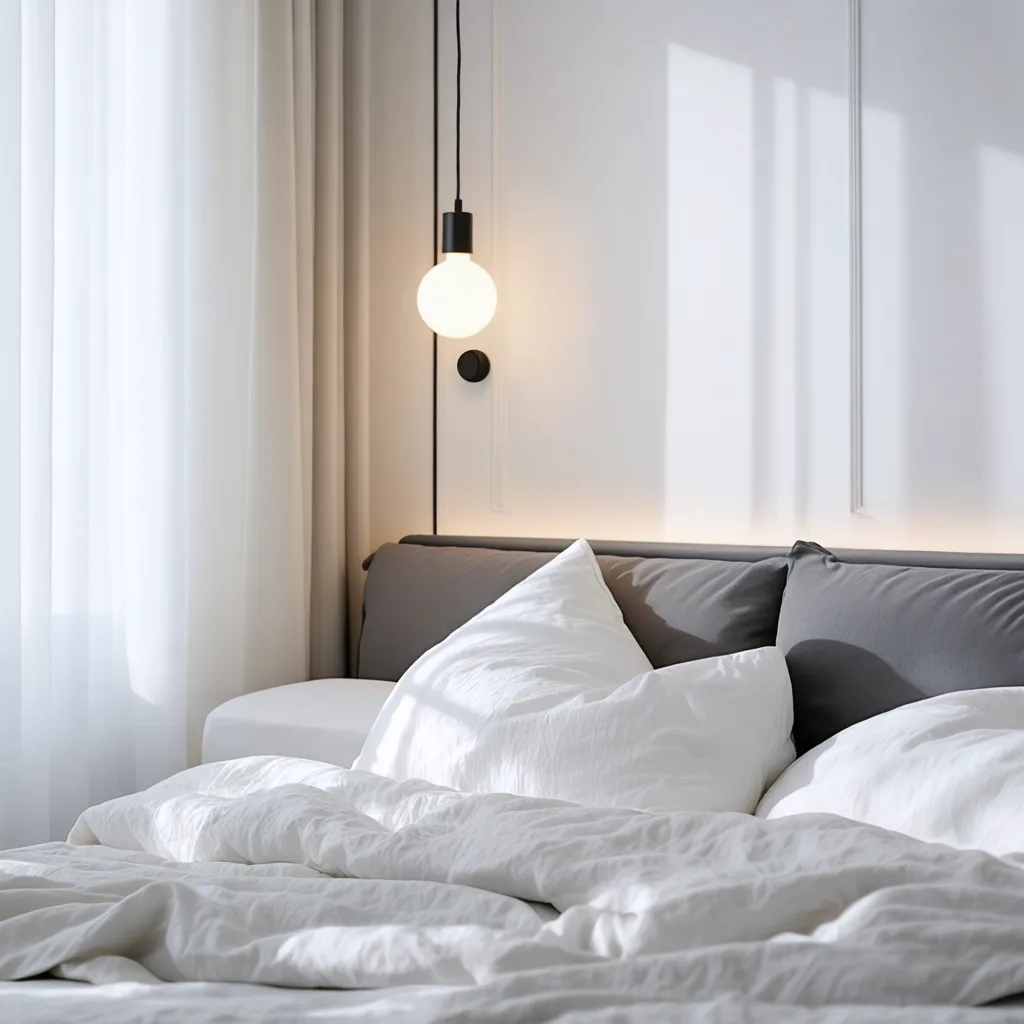
Do you struggle to fall asleep despite maintaining healthy habits? You may not realize that your bedroom environment has a direct impact on the quality of your sleep. A poorly arranged space can disrupt rest and worsen sleep disorders.
Why is the bedroom environment crucial for sleep?
Sleep is a complex biological process, highly sensitive to external factors. The atmosphere in your bedroom—including temperature, light, and noise—affects your body’s ability to fall asleep and stay asleep. An unsuitable environment can cause micro-awakenings, delay falling asleep, and reduce the quality of deep sleep.
Research shows that a calm, relaxing space encourages the secretion of melatonin, the hormone responsible for sleep. Conversely, a bedroom that is too warm, noisy, or bright can disrupt your biological clock and shorten restorative sleep cycles.
Improving your bedroom’s ambiance is therefore a key step in preventing or reducing sleep problems such as insomnia, nighttime awakenings, or chronic fatigue.
Temperature, light, noise: finding the ideal balance
The optimal temperature for sleep is generally between 16°C and 19°C (60–66°F). A bedroom that is too warm increases the risk of nighttime awakenings and makes it harder to fall asleep. On the other hand, excessive cold can also disturb sleep, especially for sensitive individuals.
Even low levels of light can interfere with melatonin production. It’s recommended to use blackout curtains or shutters to block out external light. Blue light sources (phones, tablets) should be avoided before bedtime, as they delay the brain’s sleep signal.
Noise, even at low levels (traffic, neighbors, electronic devices), is a silent enemy of sleep. Consider soundproofing your bedroom or using earplugs if necessary. Sometimes, a gentle background noise (white noise) can mask disruptive sounds and create a soothing atmosphere.
The importance of bed and bedding: essential allies
The bed is at the heart of sleep quality. A mattress suited to your body type—neither too firm nor too soft—helps maintain proper spinal alignment and reduces nighttime discomfort. Replace your mattress every 8 to 10 years to maintain optimal comfort.
Pillows should provide adequate neck support. The best choice depends on your sleeping position (back, side, or stomach). Choose breathable, hypoallergenic materials to prevent allergies and excessive sweating. Also, remember to air out and wash bedding regularly to limit dust mites.
Duvet covers and sheets made from cotton or natural linen help regulate body temperature, promoting easier sleep onset and uninterrupted rest.
Ambiance and decor: creating a cocoon for relaxation
The visual and olfactory atmosphere of your bedroom influences your mindset at bedtime. Soft, soothing colors (blue, green, beige) help relax the mind. Avoid overly bright or stimulating shades, as they can delay falling asleep.
Keep decor minimal to avoid visual clutter and dust accumulation. Opt for a few natural decorative elements (non-allergenic plants, raw materials) to create a serene, uncluttered environment.
Calming scents like lavender or chamomile, used in moderation, can help establish a sleep-friendly atmosphere. However, be careful not to overload the air with essential oils, especially for children or sensitive individuals.
Practical tips for designing a sleep-friendly bedroom
Adopting good organization habits can sustainably improve your sleep quality. Here are some simple, effective tips:
- Keep the bedroom clean, well-ventilated, and tidy every day.
- Position the bed away from sources of noise and direct light.
- Avoid electronic devices in the bedroom (TV, computer, smartphone).
- Invest in blackout curtains and suitable bedding.
- Use dim lighting in the evening and maximize natural light in the morning.
Incorporating these simple actions into your routine helps transform your bedroom into a true sanctuary for rest.
The impact of lifestyle habits on the nighttime environment
Beyond physical arrangement, your habits also shape your bedroom’s atmosphere. Avoid working or eating in bed to reserve this space exclusively for sleep and relaxation. This helps your brain associate the bedroom with rest.
A consistent evening routine (reading, meditation, deep breathing) signals your body that it’s time to wind down. Limit screen use at least 30 minutes before bedtime and choose calming activities instead.
If you can’t fall asleep after 20 minutes, leave the bedroom and do a relaxing activity in another room, then return to bed when you feel sleepy. This approach prevents associating your bed with insomnia or stress.
Additional strategies for a restorative sleep environment
To further enhance your bedroom’s sleep-promoting qualities, consider the following strategies. Declutter regularly to create a sense of order and calm, as visual chaos can increase stress and make it harder to relax. Store personal items out of sight and keep surfaces clear to foster a peaceful atmosphere.
Pay attention to air quality by ventilating your room daily and, if needed, using an air purifier. Good air circulation helps reduce allergens and supports healthy breathing throughout the night. If you live in a dry climate, a humidifier can help maintain optimal humidity levels, which may prevent dry skin and nasal passages.
Personalize your space with items that bring comfort, such as a favorite book on your nightstand or a cherished photo, but avoid overcrowding. The goal is to create a bedroom that feels safe, welcoming, and dedicated to rest.
Technology and sleep: finding a healthy balance
While it’s best to keep electronics out of the bedroom, some technology can support better sleep. For example, white noise machines or smart speakers with sleep sounds can help mask disruptive noises. Smart thermostats can automatically adjust the temperature to your ideal range during the night.
If you use a sleep tracker, review the data to identify patterns and make adjustments to your environment or habits as needed. However, avoid becoming overly focused on numbers, as this can create anxiety and interfere with natural sleep rhythms.
Mini FAQ: Bedroom environment and sleep
Q: Are plants in the bedroom beneficial for sleep?
Yes, some plants can improve air quality and create a calming atmosphere. Choose non-allergenic varieties like peace lily or aloe vera, and avoid overcrowding the room to prevent excess humidity.
Q: Should all screens really be banned from the bedroom?
It’s best to avoid screens in the bedroom, as their blue light disrupts melatonin production and delays sleep onset. If you must use a device, activate night mode and limit use before bed.
Q: How often should I clean my bedroom to support healthy sleep?
Ideally, dust and vacuum your bedroom at least once a week, and wash bedding every one to two weeks. Regular cleaning reduces allergens and helps maintain a fresh, inviting environment.
Key takeaway: A well-designed, calm bedroom environment promotes restorative sleep and helps prevent sleep disorders.
Important note: This information is for general guidance and does not replace professional medical advice.