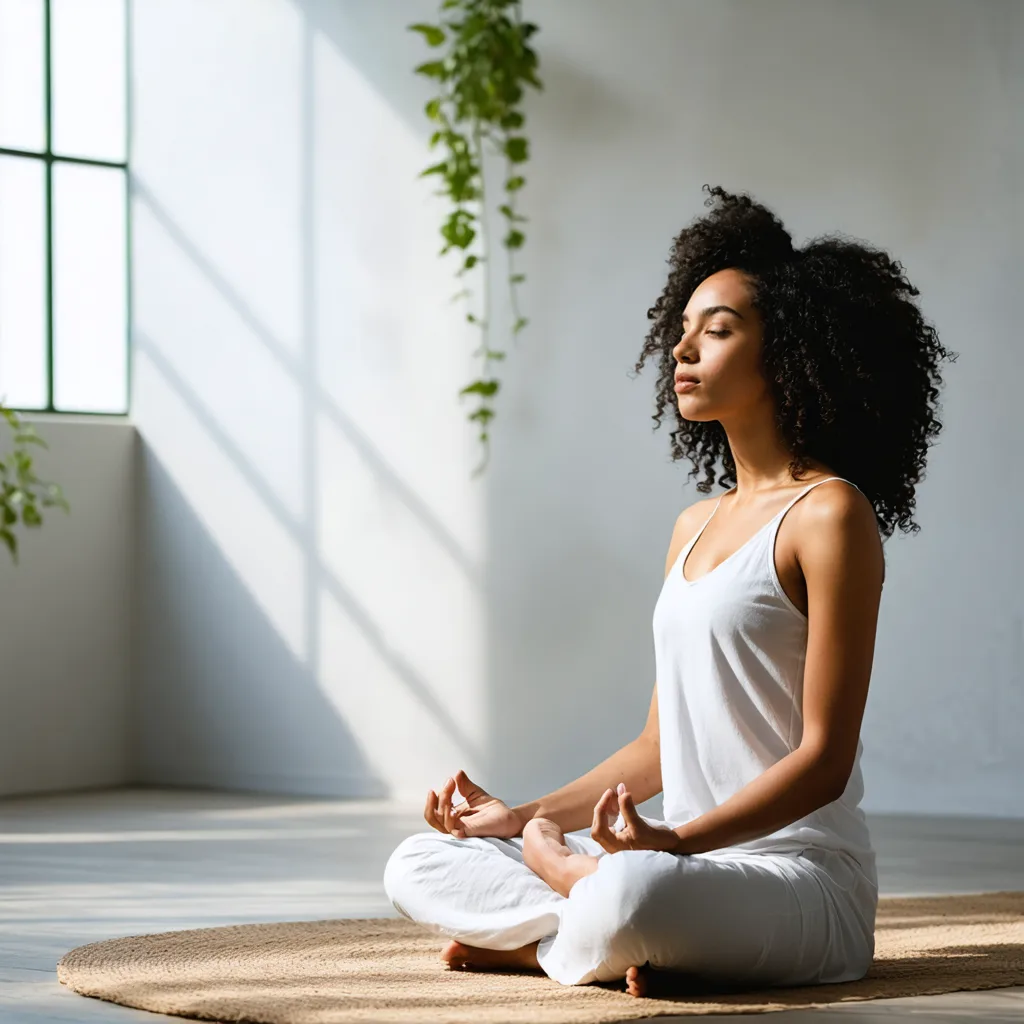
Do you sometimes feel overwhelmed by stress and intrusive thoughts? Increasingly, people are turning to mindfulness meditation to regain calm and serenity when facing everyday challenges.
What is mindfulness meditation?
Mindfulness meditation is a practice of intentionally paying attention to the present moment, without judgment. It involves kindly observing your sensations, thoughts, and emotions, accepting whatever arises without trying to change it. This approach, rooted in Eastern meditative traditions, has become an effective strategy against stress and mental health disorders in many Western countries.
Jon Kabat-Zinn, a professor of medicine and pioneer in introducing mindfulness to healthcare, defines this practice as “the awareness that emerges through paying attention, on purpose, in the present moment, and non-judgmentally to the unfolding of experience moment by moment.”
Over the course of scientific research, mindfulness meditation has proven beneficial for emotional balance, stress management, and even the prevention of depression and anxiety.
The mechanisms of stress and its impact on mental health
Stress is a natural reaction of the body to situations perceived as threatening or demanding. While a certain level of stress can stimulate action and adaptation, chronic or poorly managed stress can have harmful effects on both mental and physical health. Studies show that chronic stress increases the risk of anxiety disorders, depression, and impairs sleep quality.
Physiologically, stress activates the sympathetic nervous system, triggering the release of cortisol and adrenaline. This can lead to symptoms such as fatigue, irritability, concentration difficulties, muscle tension, as well as digestive and cardiovascular issues.
Learning to recognize the signs of stress and respond with appropriate techniques is essential to protect your mental health and overall well-being. Mindfulness meditation offers a practical tool to better understand these mechanisms and support a return to balance.
Proven benefits of mindfulness meditation
Numerous clinical studies confirm the positive effects of mindfulness meditation on stress management and mental health improvement. Programs such as MBSR (Mindfulness-Based Stress Reduction) have demonstrated their effectiveness in reducing stress levels and improving quality of life.
Here are some scientifically validated benefits:
- Significant reduction in symptoms related to stress, anxiety, and depression
- Improved attention, concentration, and emotional regulation
- Decreased mental rumination and negative thinking
- Better sleep quality and overall sense of well-being
- Enhanced resilience in the face of challenges and unexpected events
Meditation acts on different brain regions involved in emotion regulation and stress management, promoting greater emotional stability and adaptability.
How to integrate mindfulness meditation into daily life?
Adopting mindfulness does not necessarily mean spending long hours sitting in silence. It’s about cultivating a quality of presence in everyday actions and moments. Just a few minutes a day can bring noticeable changes to your stress levels and mindset.
Here are some simple steps to get started:
- Choose a quiet moment, in the morning or evening, to practice a few minutes of seated meditation
- Focus on your breath, observing the air moving in and out, without trying to control it
- Welcome thoughts, sensations, and emotions without judgment, gently returning to the present moment
- Bring mindfulness into daily activities (eating, walking, showering) by paying attention to your sensations
- Use apps or guided recordings to support your practice
Consistency is key: it’s better to practice a few minutes every day than to do long sessions occasionally. Over time, mindfulness becomes a natural resource for coping with stress.
Practical tips for a sustainable practice
Establishing a mindfulness routine requires patience and self-compassion. The goal is not to “succeed” at meditation, but to learn to observe what is happening within you, here and now.
Some tips to stay motivated:
- Set realistic and gradual goals (for example, 5 minutes per day)
- Create a dedicated, pleasant space conducive to relaxation
- Share your experiences with loved ones or join a meditation group
- Read or listen to inspiring resources about mindfulness
- Accept periods of difficulty as part of the learning process
If you have doubts or persistent difficulties, it may be helpful to consult a professional trained in mindfulness, especially in cases of diagnosed anxiety or depressive disorders.
Mindfulness meditation and professional life
The workplace is a major source of stress for many people. Integrating mindfulness into your professional life can help you approach demands and unexpected events with greater calm.
Workplace meditation programs are becoming more common, aiming to improve employee well-being, conflict management, concentration, and creativity. Taking a few moments to breathe consciously before a meeting or after a challenging task can help restore clarity and prevent burnout.
You can also apply mindfulness during breaks by reconnecting with your physical sensations and breath, or by taking time to enjoy a coffee without being absorbed by your phone or emails.
Common obstacles and how to overcome them
Many beginners encounter obstacles when starting mindfulness meditation. Restlessness, impatience, or the belief that “nothing is happening” are frequent experiences. It is important to remember that these reactions are normal and part of the process. If your mind wanders, gently bring your attention back to your breath or bodily sensations. Over time, these distractions become less frequent, and your ability to focus improves.
Another common challenge is finding time in a busy schedule. Try to integrate mindfulness into existing routines, such as during your commute, while waiting in line, or before bedtime. Even brief moments of mindful awareness can accumulate and make a significant difference over weeks and months.
Mindfulness for children and families
Mindfulness meditation is not just for adults; children and teenagers can also benefit from learning these skills. Practicing mindfulness as a family can foster better communication, emotional regulation, and resilience in children. Simple exercises like mindful breathing, listening to sounds, or paying attention to sensations during meals can be adapted for younger ages. There are also books and apps designed specifically for children to make mindfulness engaging and accessible.
FAQ: Your questions about mindfulness meditation
Q: Do you need any special experience to start mindfulness meditation?
No, mindfulness meditation is accessible to everyone, regardless of age or experience. There are many resources (books, apps, workshops) to guide beginners step by step.
Q: How long does it take to feel the effects on stress?
The first benefits can appear within the first few weeks of regular practice, even if short (5 to 10 minutes per day). The key is consistency and embracing the process.
Key takeaway: Mindfulness meditation is an accessible, evidence-based approach that helps reduce stress, improve mental health, and strengthen emotional balance in daily life.
Important note: This information is for general purposes and does not replace professional medical advice.
Further resources
If you wish to deepen your understanding, consider exploring reputable sources such as the Center for Mindfulness in Medicine, Health Care, and Society or the Mindful.org website. These platforms offer articles, guided meditations, and information about certified instructors and programs.