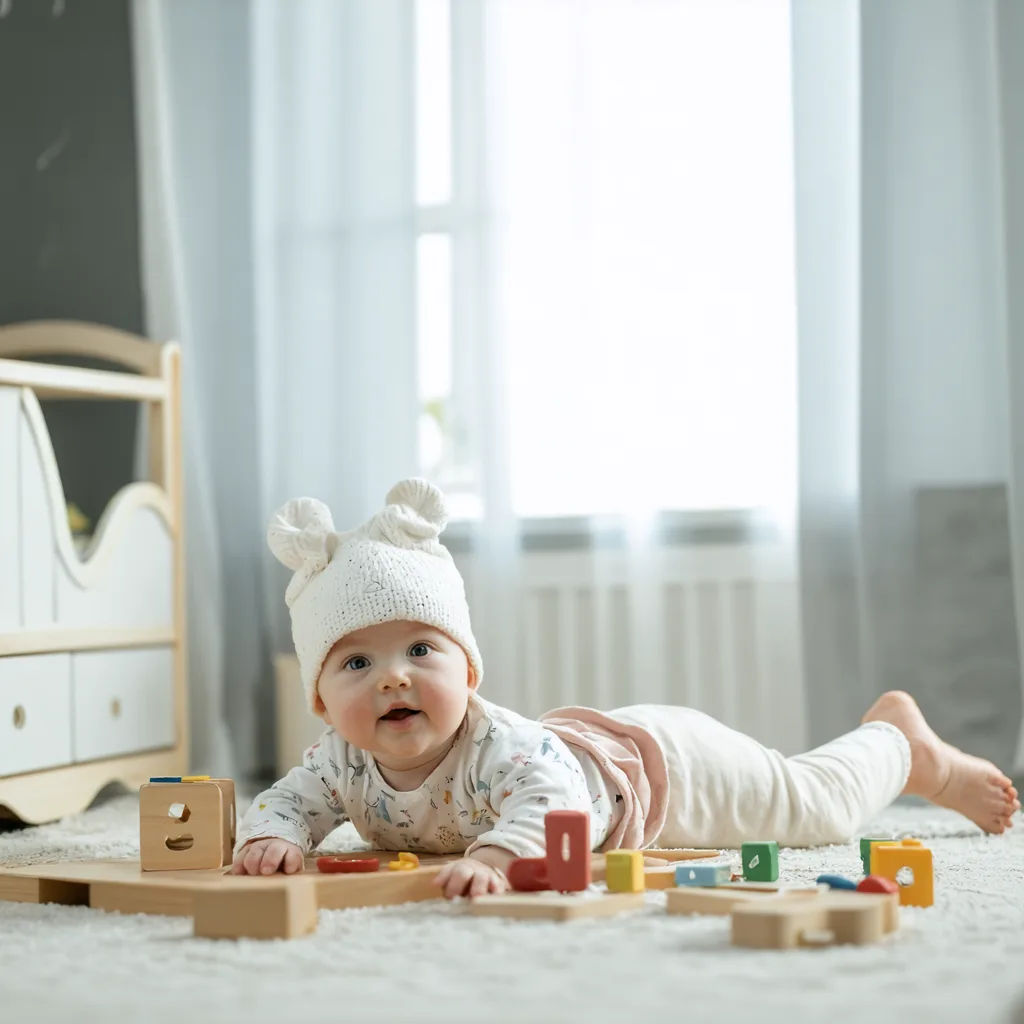
Does your child often get sick at daycare or school? Did you know that nearly 90% of children contract at least one common infection each year? Understanding how to prevent childhood illnesses is crucial to ensuring your family's well-being every day.
Understanding the Most Common Childhood Illnesses
Childhood illnesses include a range of frequent infections and conditions in children, such as chickenpox, measles, scarlet fever, influenza, and gastroenteritis. These illnesses are mainly transmitted through direct contact or via droplets released into the air when coughing or sneezing.
It is important to distinguish these mild illnesses, which are part of the child’s immune development, from rarer but potentially serious infections. Knowing the specific symptoms (fever, skin rash, cough, vomiting) allows you to act quickly and avoid complications.
Children are particularly vulnerable because their immune systems are still maturing. Group settings, like daycare centers and schools, facilitate the spread of pathogens. Effective prevention relies on information and adopting simple daily habits.
Vaccination: An Essential Pillar of Prevention
Vaccination remains the most effective method to protect children against certain serious diseases. In France, eleven vaccines are mandatory before the age of two, including those against diphtheria, tetanus, polio, whooping cough, and measles.
Following the vaccination schedule is crucial. This schedule, tailored to the child’s age, ensures optimal immunization. Skipping vaccines exposes children to severe complications and even outbreaks.
Certain vaccines, such as those against influenza or meningitis, are recommended in specific situations. Consult your doctor to adapt your child’s protection to their environment and individual needs.
Hygiene and Barrier Gestures: Habits to Instill from an Early Age
Teaching regular hygiene practices is a key way to limit the spread of infectious diseases. Handwashing—before meals, after using the toilet, or after playing outside—significantly reduces the risk of infection.
Teach your child to sneeze or cough into their elbow to prevent the spread of germs to others. Remember to change tissues frequently and ventilate living spaces daily.
During outbreaks, it may be helpful to limit contact with sick individuals and apply strict rules: no sharing of objects, disinfecting surfaces, and mask-wearing for older children if necessary.
Nutrition and Sleep: Two Allies to Strengthen Immunity
A varied and balanced diet provides your child with the essential nutrients needed to build a strong immune system. Favor fresh fruits and vegetables, rich in vitamins, as well as proteins, dairy products, and whole grains.
Sleep also plays a key role in preventing illness. A well-rested child is better equipped to fight infections. Maintain regular bedtimes, adjust sleep duration to your child’s age, and establish a calming bedtime routine.
Daily physical activity also contributes to your child’s overall health. Encourage sports or outdoor play to help stimulate their natural defenses.
Recognizing Warning Signs and Knowing When to Consult
It is essential to monitor for unusual symptoms: persistent fever, skin rashes, breathing difficulties, vomiting, or severe diarrhea. When these signs appear, medical consultation is necessary to prevent complications.
Some children, due to chronic illness or particular vulnerability, require extra vigilance. Don’t hesitate to seek advice from your pediatrician if you are unsure, especially if your child’s general condition worsens or they refuse to eat.
Regular medical check-ups also help detect certain conditions early and adjust prevention strategies as your child grows.
Practical Tips to Protect Your Child Every Day
- Ensure your child’s vaccinations are up to date and keep track of booster shots.
- Teach your child to wash their hands thoroughly with soap for at least 30 seconds.
- Avoid contact with people showing infectious symptoms.
- Encourage a diet rich in fruits, vegetables, and fresh foods.
- Make sure your child gets enough quality sleep every night.
- Ventilate living areas regularly, even during winter.
- Clean toys and objects your child uses frequently to reduce the risk of contamination.
- Encourage your child not to put their hands in their mouth or touch their face without washing their hands first.
FAQ: Frequently Asked Questions About Preventing Childhood Illnesses
Q: My child is often sick in winter. Is this normal?
Yes, it is common for children to catch several viral infections each year, especially when they start attending group settings. Their immune system develops gradually. By following hygiene measures and the vaccination schedule, you reduce the risk of complications.
Q: When should I see a doctor if my child has a fever?
A single episode of fever is not always a cause for concern. However, you should consult a doctor if the fever exceeds 38.5°C for more than 48 hours, if there are breathing difficulties, a skin rash, repeated vomiting, or if your child’s general condition is worrying.
Q: How can I prepare my child for starting daycare or school?
Before your child starts daycare or school, check that their vaccinations are up to date and discuss hygiene measures with them. Encourage independence in handwashing and explain the importance of not sharing water bottles or utensils with classmates.
Key takeaway: Preventing childhood illnesses relies on vaccination, hygiene, a balanced diet, and vigilance for unusual symptoms. Adopting these simple habits daily is an effective way to protect your child’s health.
Important note: This information is for general guidance and does not replace professional medical advice.
Resources and Support for Parents
To deepen your knowledge about child health, many guides and specialized websites are available. You can visit the Assurance Maladie website ameli.fr or the Santé publique France website for reliable and up-to-date information.
Parent associations and local organizations also offer information workshops on disease prevention and hygiene in group settings. Don’t hesitate to consult health professionals for any specific questions regarding your child.
Building a Healthy Home Environment
Creating a healthy home environment is another important step in preventing childhood illnesses. Ensure your home is clean and free from dust and mold, which can aggravate allergies and respiratory problems. Use non-toxic cleaning products and avoid exposure to tobacco smoke, as secondhand smoke increases the risk of respiratory infections in children.
Encourage your child to spend time outdoors in natural light, which supports vitamin D production and overall well-being. If your child has allergies, regularly wash bedding and soft toys, and consider using air purifiers to reduce allergens in the home.
Supporting Your Child’s Emotional Well-being
Emotional health is closely linked to physical health. Children who feel secure and supported are better able to cope with stress, which can otherwise weaken the immune system. Maintain open communication with your child, listen to their concerns, and provide reassurance during times of illness or change.
Establishing routines, such as regular mealtimes and bedtime rituals, helps children feel safe and can improve both sleep quality and overall health. Encourage positive social interactions and help your child develop coping skills for dealing with challenges at school or with peers.
When to Keep Your Child Home
Knowing when to keep your child home from daycare or school is essential to prevent the spread of illness. If your child has a fever, vomiting, diarrhea, or a contagious infection such as chickenpox or conjunctivitis, keep them at home until they are no longer contagious. Follow your healthcare provider’s advice and notify the school or daycare of your child’s illness to help protect other children.