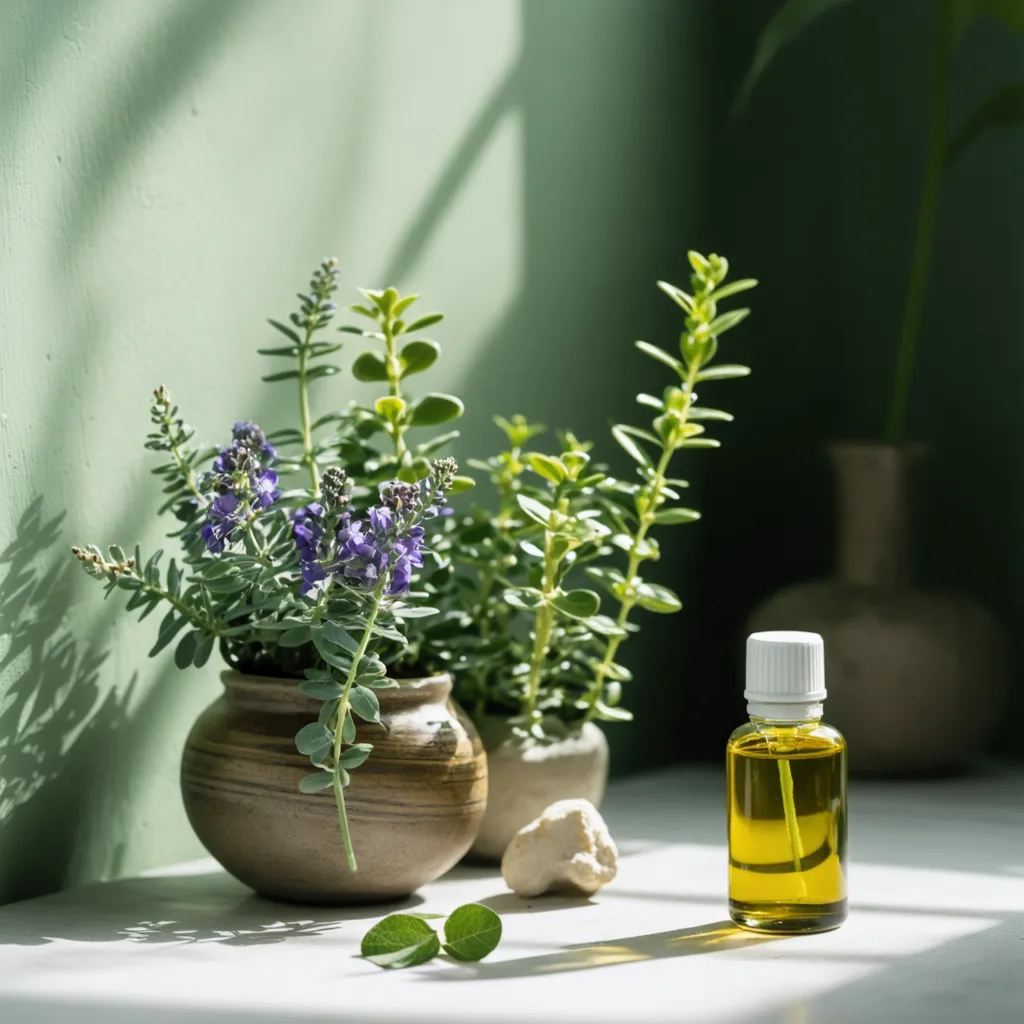
Moroccan medicinal plants are renowned for their therapeutic properties, but improper preparation can diminish their effectiveness or even pose health risks. This comprehensive guide provides you with essential knowledge to safely benefit from traditional Moroccan herbal remedies, from harvesting to daily use.
Why Are Medicinal Plants Essential in Morocco?
Morocco is home to an exceptional plant biodiversity, with over 4,200 species, nearly 600 of which are recognized for their medicinal properties. These plants have long been an integral part of Moroccan health and wellness culture. Traditional Moroccan herbal medicine is passed down through generations, blending empirical knowledge with proven practices.
Plants such as verbena, peppermint, thyme, black seed, and mugwort are staples in Moroccan households. They are commonly used to relieve digestive issues, soothe headaches, boost immunity, or promote relaxation. Their popularity stems from their accessibility, affordability, and deep cultural roots.
However, using these plants requires proper knowledge to avoid mistakes and maximize their potential. Inadequate preparation can reduce their effectiveness or cause unwanted side effects, making it crucial to follow best practices.
Essential Steps for Preparing Medicinal Plants
The preparation of Moroccan medicinal plants varies depending on the plant type, the part used (leaves, roots, flowers, seeds), and the intended purpose. Here are the key steps to ensure quality and safety:
- Select fresh or dried plants from a reliable source, preferably organically grown.
- Wash the plants thoroughly to remove dust and residues.
- Dry them away from light and humidity to preserve active compounds.
- Store in airtight containers, protected from heat and moisture.
- Follow recommended dosages and adapt the preparation method to each plant (infusion, decoction, maceration, etc.).
It is strongly advised to consult specialized books or seek advice from a healthcare professional trained in herbal medicine before use.
Traditional Methods of Use: Infusions, Decoctions, and More
Moroccan medicinal plants can be used in various ways, each suited to specific needs:
1. Infusion: Pour hot water over tender parts (leaves, flowers) and let steep for 5 to 10 minutes. This method is ideal for mint, verbena, or chamomile.
2. Decoction: Mainly used for roots, bark, or seeds, this method involves boiling for 10 to 30 minutes. Mugwort and ginger are often prepared this way.
3. Maceration: Some plants are soaked in cold water or oil to gently extract their active ingredients, such as black seed or aloe vera.
- Avoid overheating plants to preserve their essential components.
- Use spring or filtered water for preparations.
Herbal teas are the most common form, but essential oils and plant-based ointments are also widely used, especially for skin care or massage.
What Precautions Should You Take to Avoid Risks?
Although natural, medicinal plants are not without risks. Some may have contraindications, cause side effects, or interact with medications.
Key precautions include:
- Avoid prolonged self-medication and respect the recommended duration of use.
- Start with small doses to monitor for possible allergic reactions or intolerance.
- Exercise caution for pregnant or breastfeeding women, children, and the elderly: some plants are not recommended for these groups.
- Check for potential interactions with current treatments (especially anticoagulants, antihypertensives, antidiabetics).
- When in doubt, consult a pharmacist or a healthcare professional trained in herbal medicine.
For example, licorice can raise blood pressure, while sage is not advised for those with a history of seizures. Respecting quantities, preparation methods, and indications is therefore essential.
Common Mistakes to Avoid in Preparation and Use
While beneficial, the use of medicinal plants can be counterproductive if common mistakes are made:
- Never consume a plant that is unidentified or misidentified: some species are toxic.
- Avoid random mixing of plants without proper knowledge, as interactions can amplify effects or cause unexpected reactions.
- Do not exceed recommended doses, even if effects are slow to appear.
- Never replace prescribed medical treatment with plants without medical advice.
Poor storage can also lead to mold growth or loss of active ingredients. Careful attention is needed at every stage, from harvesting to consumption.
Practical Tips for Integrating Moroccan Plants into Your Daily Life
Enjoying the benefits of Moroccan medicinal plants daily is easy with a few simple habits:
- Favor homemade preparations that respect the integrity of active compounds.
- Include herbal teas in your evening routine to promote relaxation.
- Use infused oils for massages or topical care.
- Keep a journal to track your experiences and adjust usage according to your tolerance.
Consistency and listening to your body are key to optimizing benefits. Remember to alternate plants to prevent habituation and diversify your intake.
Mini FAQ: Your Most Common Questions
Q: Can all Moroccan medicinal plants be consumed safely?
No, not all plants are suitable for everyone. Some have contraindications depending on age, health status, or ongoing treatments. It is important to research each plant carefully and seek professional advice before regular use.
Q: Can herbal infusions replace medical treatment?
Herbal infusions can support well-being or relieve minor ailments, but should never replace prescribed medical treatment. For chronic illness or persistent symptoms, it is essential to consult a doctor.
Key takeaway: Moroccan medicinal plants offer many benefits when used carefully, respecting preparation methods, dosages, and individual precautions.
Important note: This information is for general guidance and does not replace professional medical advice.
How to Identify Authentic Moroccan Medicinal Plants
With the growing popularity of herbal remedies, it is increasingly important to ensure the authenticity and quality of the plants you use. Authentic Moroccan medicinal plants are often sourced from specific regions known for their unique climate and soil, which contribute to the potency of their active compounds. When purchasing, look for suppliers who provide information about the plant’s origin and harvesting methods. If possible, choose plants that are certified organic or wild-harvested in a sustainable manner. Avoid plants that appear faded, moldy, or have an unusual odor, as these may have lost their medicinal value or could be contaminated.
For those interested in foraging, it is crucial to learn plant identification from reputable sources or local experts. Many edible and medicinal plants have toxic lookalikes, so never rely solely on pictures from the internet. Consider joining a local herbalist group or attending workshops to improve your identification skills. For more information, you can consult resources such as the National Center for Biotechnology Information or the World Health Organization.
Expanding Your Herbal Knowledge: Recommended Resources
To deepen your understanding of Moroccan medicinal plants and their safe use, consider exploring specialized books, scientific articles, and online courses. Some recommended titles include "Medicinal Plants of North Africa" and "The Complete Herbal Guide to Moroccan Remedies." Additionally, many universities and botanical gardens offer workshops or guided tours focused on local flora and their traditional uses. Engaging with these resources can help you make informed decisions, avoid common pitfalls, and discover new ways to incorporate herbal remedies into your lifestyle.
Finally, remember that the world of medicinal plants is vast and ever-evolving. Staying curious, seeking expert advice, and sharing experiences with others can enrich your journey toward natural health and well-being.