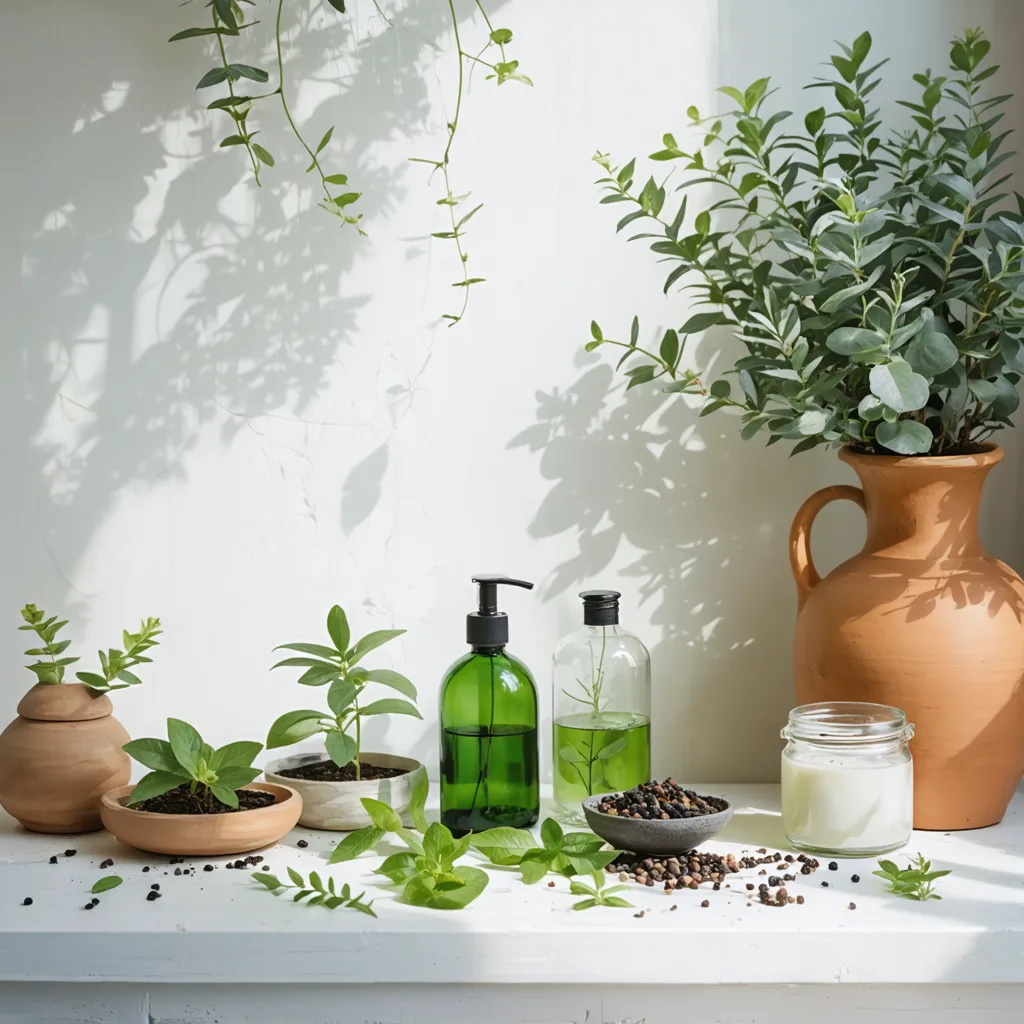
Do you use Moroccan medicinal plants daily to relieve common ailments? If so, you are not alone: their popularity is on the rise, but some uses carry hidden risks. Understanding the most frequent mistakes helps you benefit from these remedies safely and effectively.
The Richness of Traditional Moroccan Remedies
Morocco has a centuries-old tradition of using plants for health and wellness. Moroccan herbal medicine is an integral part of everyday life, whether in the form of herbal teas, decoctions, essential oils, or powders. Plants such as mint, thyme, artemisia, black seed, and rosemary are widely used to address various issues: digestion, skin problems, colds, joint pain, and more.
This exceptional botanical diversity is due to the wide range of climates and regions in Morocco, from the Rif mountains to the Sahara desert. Oral transmission and family knowledge play a key role in preserving these practices. However, tradition should not overshadow the need for caution, especially as these remedies become more popular.
Many people mistakenly believe that “natural” always means “safe.” In reality, self-medicating with plants can lead to side effects, interactions, or even poisoning if certain rules are not followed.
Common Mistakes When Using Moroccan Plants
One of the main mistakes is ignoring proper dosages. Some plants, such as artemisia or rue, must be used in very small amounts: excessive use can cause digestive, nervous, or liver problems. Similarly, prolonged use of certain preparations can be toxic.
Another frequent error is mixing several plants without precise knowledge. While some combinations are sought for their synergy, they can actually increase the risk of side effects or render some preparations ineffective. It is best not to improvise complex blends without expert advice.
Finally, some users forget to check the quality and origin of products. Poorly dried herbs, those contaminated with pesticides, or of dubious origin can be harmful to health. It is essential to choose reputable suppliers and ask about traceability.
Risks of Interactions and Contraindications Not to Overlook
Moroccan medicinal plants can interact with pharmaceutical treatments. For example, black seed, known for its immune-boosting properties, can alter the effects of anticoagulants or antidiabetic drugs. Licorice, valued for its taste and digestive benefits, can worsen high blood pressure or disrupt blood potassium levels.
There are also contraindications for certain groups. Pregnant women should avoid sage, pennyroyal mint, or rue, as these can induce uterine contractions. Children and the elderly are also more sensitive: their bodies do not process active substances in the same way.
Before using a traditional remedy, it is recommended to seek advice from a healthcare professional, especially in cases of chronic illness, pregnancy, or regular medication. Self-diagnosis and self-medication without in-depth knowledge expose you to avoidable risks.
Choosing, Preparing, and Storing Plants Properly
Preparation plays a crucial role in the effectiveness and safety of traditional remedies. Using an appropriate dose, respecting traditional methods (infusion, decoction, maceration, etc.), and never overdosing are essential steps.
Proper storage of plants is also important. Herbs should be kept away from light, moisture, and heat to preserve their properties and prevent mold or bacterial growth. It is best to consume preparations quickly and not to keep mixtures for more than a few days.
Traceability is another key point: choose plants from certified local producers or recognized pharmacies. Avoid buying from informal markets or online sources without quality guarantees. The risks of fraud, plant substitution, or adulteration are real and can have serious consequences.
Practical Tips for Safe Use of Moroccan Plants
- Always read the instructions or seek advice from a professional before using a new plant.
- Start with small doses to observe any adverse reactions.
- Do not mix several plants unless you are aware of their potential interactions.
- Avoid prolonged self-medication, especially if symptoms persist.
- Keep plants out of reach of children and clearly label your preparations.
These simple recommendations help you enjoy the benefits of traditional remedies while minimizing health risks.
When Should You Consult a Healthcare Professional?
Certain signs require you to immediately stop using a traditional remedy: the appearance of unusual symptoms (allergies, severe digestive disorders, persistent headaches, heart rhythm disturbances, etc.).
It is also important to consult a professional before combining plants with medications to avoid harmful interactions. People with chronic diseases (diabetes, hypertension, kidney failure, etc.) should be especially cautious.
A pharmacist, a medical herbalist, or a qualified herbalist can guide you toward safe, personalized, and appropriate uses. Self-medication should never delay or replace a medical consultation if in doubt or if symptoms worsen.
Mini FAQ
Q: Are traditional Moroccan remedies always effective?
Many remedies have shown effectiveness for minor ailments, but they do not replace appropriate medical treatment for serious or chronic illnesses. Their effectiveness depends on the plant, quality, dose, and indication.
Q: Can I use Moroccan plants at the same time as my medications?
It is possible to combine plants and medications, but this requires the advice of a healthcare professional to avoid harmful interactions. Some plants affect the absorption or action of medications and may cause unwanted side effects.
Key takeaway: Traditional Moroccan remedies offer many benefits, but daily use requires vigilance and guidance to avoid mistakes and risks.
Important note: This information is general and does not replace professional medical advice.
How to Identify Authentic Moroccan Medicinal Plants
With the growing demand for traditional remedies, it is increasingly important to know how to identify authentic Moroccan medicinal plants. Look for clear labeling, including the Latin name of the plant, the part used (leaf, root, seed, etc.), and the harvest date. Reliable suppliers will provide this information and may also offer certificates of analysis or organic certification. If you are unsure, consult a pharmacist or a specialist in medicinal plants before purchasing or using any new product.
Be wary of plants that have an unusual color, smell, or texture, as these may indicate poor storage or adulteration. When possible, buy from local herbalists with a good reputation or from pharmacies that specialize in herbal products. This helps ensure the quality and authenticity of the plants you use for your health.
Integrating Moroccan Remedies into a Modern Lifestyle
Moroccan medicinal plants can be integrated into a modern lifestyle in a balanced way. For example, herbal teas can be enjoyed as part of a healthy hydration routine, while culinary herbs like mint and thyme can enhance both flavor and wellness in daily meals. Essential oils, when used with caution, can be added to baths or diffused for relaxation. However, always follow recommended guidelines and avoid excessive or experimental use.
Combining traditional remedies with evidence-based medical care can provide a holistic approach to health. Keep a record of any plants or remedies you use and share this information with your healthcare provider to ensure safe and coordinated care. Remember, the goal is to benefit from Morocco’s rich herbal tradition while prioritizing your well-being and safety.