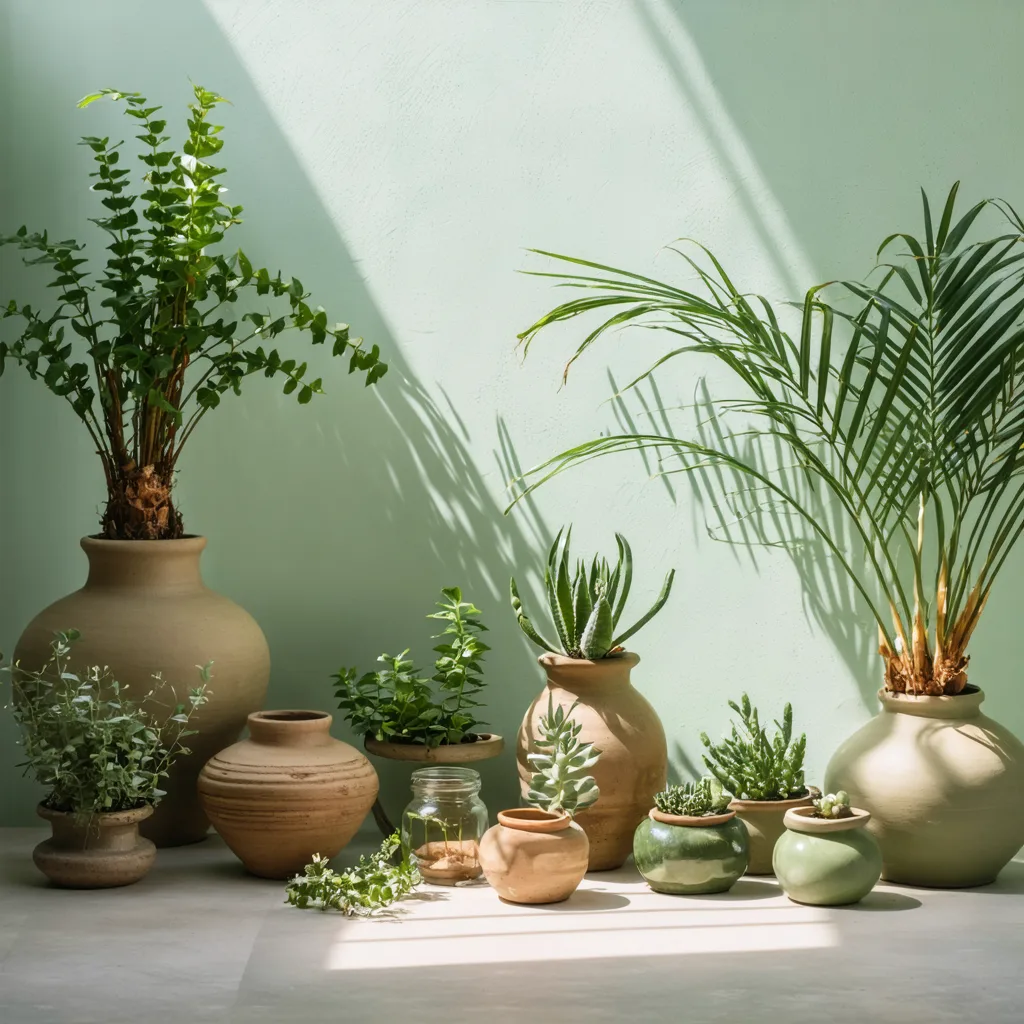
Did you know that the way you store your traditional remedies and medicinal plants can have a direct impact on their effectiveness? In Morocco, these natural treasures have been used for generations, but their healing power largely depends on how they are stored and preserved.
Why Proper Storage of Medicinal Plants Is Crucial
Moroccan traditional remedies often rely on aromatic or medicinal plants, harvested from the wild or purchased from herbalists. Their therapeutic efficacy depends on the presence of active compounds, which are often fragile and sensitive to light, heat, or humidity. Poor storage can alter or destroy these active ingredients, making the remedy less effective or even useless.
Additionally, improper storage can lead to the growth of mold, bacteria, or harmful insects. This not only reduces the effectiveness of the remedies but can also pose health risks. Preserving the quality of medicinal plants is therefore essential to ensure safe and optimal use.
Storage becomes even more important when plants are used for preventive or curative purposes. The stability of natural components is never guaranteed over time without specific precautions, which is why special attention is needed.
Factors That Influence the Quality of Traditional Remedies
Whether you are dealing with dried leaves, roots, seeds, or powdered blends, each form of traditional remedy has its own storage requirements. Exposure to direct sunlight accelerates the degradation of many active compounds, such as essential oils or polyphenols, found in Moroccan plants like mint, verbena, or thyme.
Humidity is another major enemy, as it encourages the development of mold. Airtight and dry containers are preferable to prevent this issue. Excessive heat, especially during summer, can also alter the properties of plants, making it important to choose a cool storage location.
Finally, odors and flavors can migrate between different plants if stored together, which may change their effectiveness or create unsuitable mixtures. Each plant should be stored separately to preserve its unique properties.
Best Practices for Storing Medicinal Plants
To ensure the effectiveness of your Moroccan traditional remedies, it is important to follow some simple but precise rules. The choice of container is crucial: opt for tinted glass jars or kraft paper bags, which protect against light and humidity. Avoid plastic bags, as they promote condensation and mold growth.
The storage area should be cool, dry, and away from light. A closed cupboard, far from heat sources like the kitchen, is ideal. Always label your containers with the plant name, harvest or purchase date, and the recommended shelf life.
Respect the specific shelf life for each plant: generally, dried leaves and flowers last for one year, roots and barks up to two years, provided their appearance, smell, and color remain unchanged.
- Wash and thoroughly dry plants before storage.
- Use airtight glass or ceramic jars.
- Keep plants away from light and humidity.
- Never mix different plants in the same container.
- Regularly check for mold or insects.
How to Tell If a Plant Has Lost Its Effectiveness
Over time, even well-stored medicinal plants can lose quality. Visual or olfactory signs should alert you: a dull color, a weakened or unpleasant odor, or the presence of unusual spots or dust on leaves or roots.
If you have any doubts about the freshness or purity of a plant, it is best not to use it. The effectiveness of a traditional remedy depends on the quality of its main ingredient. Moreover, a degraded product can pose health risks, especially if ingested or applied to the skin.
For homemade oils or tinctures, check for any suspicious deposits, phase separation, or color changes. These signs indicate deterioration or even microbial contamination.
Specific Tips for Popular Moroccan Plants
Morocco is rich in emblematic plants used in herbal medicine: chamomile, lavender, rosemary, and mugwort, among others. Each requires special attention for optimal storage.
Mint, for example, should be dried quickly after harvesting and then stored in an opaque jar. Verbena, highly valued for infusions, must be protected from humidity, which can quickly diminish its aroma.
For ginger or turmeric roots, store them in a cool place and consume them soon after drying or turning them into powder. Essential oils should be kept cool, in opaque, tightly closed bottles to prevent oxidation.
Additional Storage Tips for Moroccan Households
Many Moroccan households store their medicinal plants in traditional wooden boxes or woven baskets. While these containers are culturally significant, they may not always provide the best protection against humidity and pests. To combine tradition with effectiveness, consider lining wooden boxes with parchment paper or storing baskets in a dry, ventilated area. Regularly inspect traditional containers for signs of moisture or insect activity, and transfer plants to airtight jars if needed.
It is also helpful to keep a small notebook or digital record of your plant inventory. Note the purchase or harvest date, storage location, and any observations about changes in appearance or aroma. This habit can help you track the quality of your remedies and avoid using expired or degraded plants.
Safe Use and Responsible Sourcing
When sourcing medicinal plants, always buy from reputable herbalists or trusted markets. Quality starts at the source: plants that are poorly harvested, dried, or handled may already be compromised before storage. If possible, ask about the origin and drying process of the plants you purchase. Foraging wild plants should be done with caution, respecting local regulations and ensuring correct identification to avoid toxic species.
Before using any stored remedy, especially if it has been kept for several months, consider consulting a healthcare professional or a qualified herbalist. This is particularly important for vulnerable groups such as children, pregnant women, or people with chronic illnesses.
FAQ: Common Questions About Storing Traditional Remedies
Q: Can medicinal plants be frozen to extend their shelf life?
Freezing is generally not recommended, as it can alter the texture, color, and some active compounds of the plants. It is better to dry the plants properly and store them in suitable containers, away from light and humidity.
Q: How can you tell if a medicinal plant is no longer usable?
Signs such as an unpleasant odor, faded color, the presence of mold or insects, or a sticky or dusty texture indicate that the plant should be discarded. Caution is necessary to avoid any risk of poisoning.
Key Takeaways
Key Takeaway: Proper storage of traditional remedies and medicinal plants in Morocco is a key factor in preserving their effectiveness and ensuring safe use.
Important Note: This information is for general purposes only and does not replace professional medical advice.