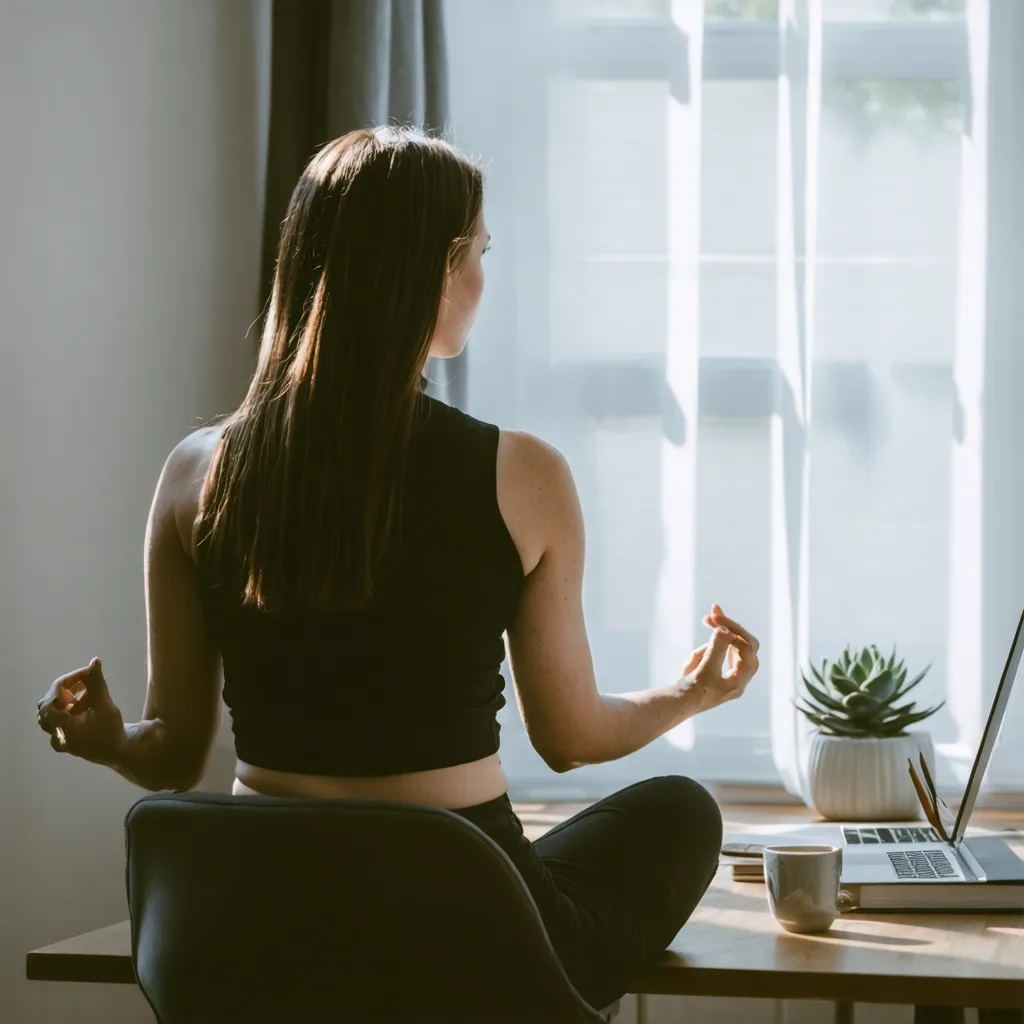
Do you sometimes feel overwhelmed by work demands, family responsibilities, or unexpected events? Stress is a constant presence in our lives, but there are concrete and effective ways to limit its impact on both mental and physical health.
Understanding Stress: A Natural Phenomenon to Tame
Stress is a normal reaction of the body when faced with a situation perceived as a threat or challenge. It is a survival mechanism that prepares us to respond. However, when stress becomes chronic, it can have negative consequences on mental health, such as anxiety, irritability, or fatigue, as well as on physical health (sleep disturbances, high blood pressure, weakened immune system, and more).
It is therefore essential to distinguish between acute, occasional stress—which is often beneficial—and chronic stress, which persists over time and can become harmful. Stress can arise from many sources: work pressure, mental overload, conflicts, uncertainty, or significant life events.
Recognizing the signs of stress (sleep problems, muscle tension, irritability, difficulty concentrating) is the first step toward taking action. The sooner you identify these signals, the easier it is to adopt suitable management strategies.
The Impact of Stress on Mental and Physical Health
Uncontrolled stress can lead to numerous side effects. Mentally, it increases the risk of anxiety disorders, mood disturbances, and even burnout. Physically, it raises the likelihood of cardiovascular diseases, digestive issues, and a weakened immune system.
Managing stress is therefore crucial to maintaining overall health and balance. This involves acting on several fronts: lifestyle habits, personal organization, relaxation techniques, and seeking external support when needed.
Numerous studies show that adopting stress management strategies can significantly improve quality of life, concentration, energy, and the ability to cope with daily challenges.
Effective Strategies and Techniques to Reduce Stress
There is no universal solution to stress. However, certain methods have proven effective in reducing nervous tension and promoting calm.
- Establish a regular sleep routine to improve recovery
- Engage in physical activity, even moderate, to release tension
- Learn relaxation techniques such as deep breathing or meditation
- Plan tasks and prioritize effectively
- Take regular breaks throughout the day to recharge
- Maintain a balanced diet, focusing on foods rich in magnesium and B vitamins
- Limit stimulants like caffeine or sugar, which can increase nervousness
Conscious breathing is especially recommended. Just a few minutes a day can significantly reduce internal tension. Mindfulness meditation, yoga, and cardiac coherence exercises are also powerful tools to calm both mind and body.
Finally, physical activity releases endorphins, the so-called happiness hormones, which help regulate stress. Brisk walking, cycling, swimming, or even simple stretching exercises promote relaxation and improve sleep quality.
The Importance of Organization and Life Balance
Good time management and setting priorities play a crucial role in preventing chronic stress. Learning to say no, delegating certain tasks, or accepting that you cannot control everything are essential skills.
Establishing morning and evening rituals helps the brain anticipate periods of rest and recovery. This might include reading a few pages, taking a warm bath, practicing gratitude, or simply disconnecting from screens at least an hour before bedtime.
Maintaining balance among different areas of life (work, family, leisure, social relationships) is also vital. Allow yourself time for your passions, to see loved ones, or simply to do nothing. These moments of relaxation help build resilience to stress.
Building Resilience and Coping Skills
Resilience is the ability to adapt and bounce back from stressful situations. Developing resilience does not mean avoiding difficulties, but rather learning how to respond to them in a healthy way. You can strengthen your resilience by cultivating a positive outlook, practicing self-compassion, and setting realistic goals. Building a strong support network of friends, family, or colleagues also helps you feel less alone when facing challenges.
Another key aspect of resilience is learning from past experiences. Reflect on how you have managed stress before—what worked, what didn’t—and use those insights to improve your coping strategies. Remember, setbacks are a normal part of life, and each one offers an opportunity for growth and self-discovery.
When to Consult a Health Professional?
It is important not to remain isolated when facing persistent stress. If you experience intense fatigue, loss of motivation, ongoing sleep problems, or anxiety that does not improve despite your efforts, it may be helpful to consult a professional.
Psychologists, general practitioners, and psychiatrists are trained to support people experiencing chronic stress. They can offer personalized guidance and, if necessary, refer you to appropriate care based on your situation.
- Do not wait for the situation to worsen before seeking help
- Talk about your difficulties with a trusted person or professional
- Consider brief therapies or support groups
There is no shame in asking for help. On the contrary, it is a responsible and beneficial step toward regaining lasting balance.
FAQ: Frequently Asked Questions About Stress Management
Q: How can you tell the difference between normal and problematic stress?
Normal stress is temporary, linked to a specific event, and disappears once the situation is resolved. Problematic stress persists, affects quality of life, sleep, and mood, and often requires specific management.
Q: Are relaxation techniques always enough to manage stress?
Relaxation techniques are effective for most mild to moderate stress situations. However, in cases of chronic stress or associated disorders (severe anxiety, depression), it is advisable to consult a professional for more comprehensive support.
Q: Can stress be prevented before it sets in?
Yes, preventing stress involves adopting healthy lifestyle habits, good time management, maintaining positive social relationships, and regularly practicing relaxing activities. Anticipating sources of stress and knowing your own limits are also effective ways to reduce their impact.
Additional Resources and Support
Many organizations and associations provide reliable information and tools to help manage stress. Do not hesitate to visit specialized websites, such as the American Institute of Stress or Ameli, to find tailored advice and contact information for professionals.
Joining support groups or stress management workshops also allows you to connect with others facing similar challenges, learn new strategies, and break the sense of isolation.
Tips for Creating a Stress-Reducing Environment
Your environment can have a significant impact on your stress levels. Try to keep your living and working spaces organized and free of clutter, as a tidy environment can help promote a sense of calm. Incorporate elements that soothe you, such as plants, calming colors, or soft lighting. If possible, spend time in nature—studies show that even short walks outdoors can lower stress hormones and improve mood.
Consider limiting your exposure to negative news or social media, especially before bed. Instead, engage in activities that relax you, such as listening to music, drawing, or spending time with pets. These small changes can make a big difference in your daily stress levels.
Key Takeaways
Key Takeaway: Effective stress management relies on combining suitable strategies, listening to your needs, and, if necessary, seeking professional support to protect your mental and physical health.
Important Note: This information is for general guidance only and does not replace professional medical advice.