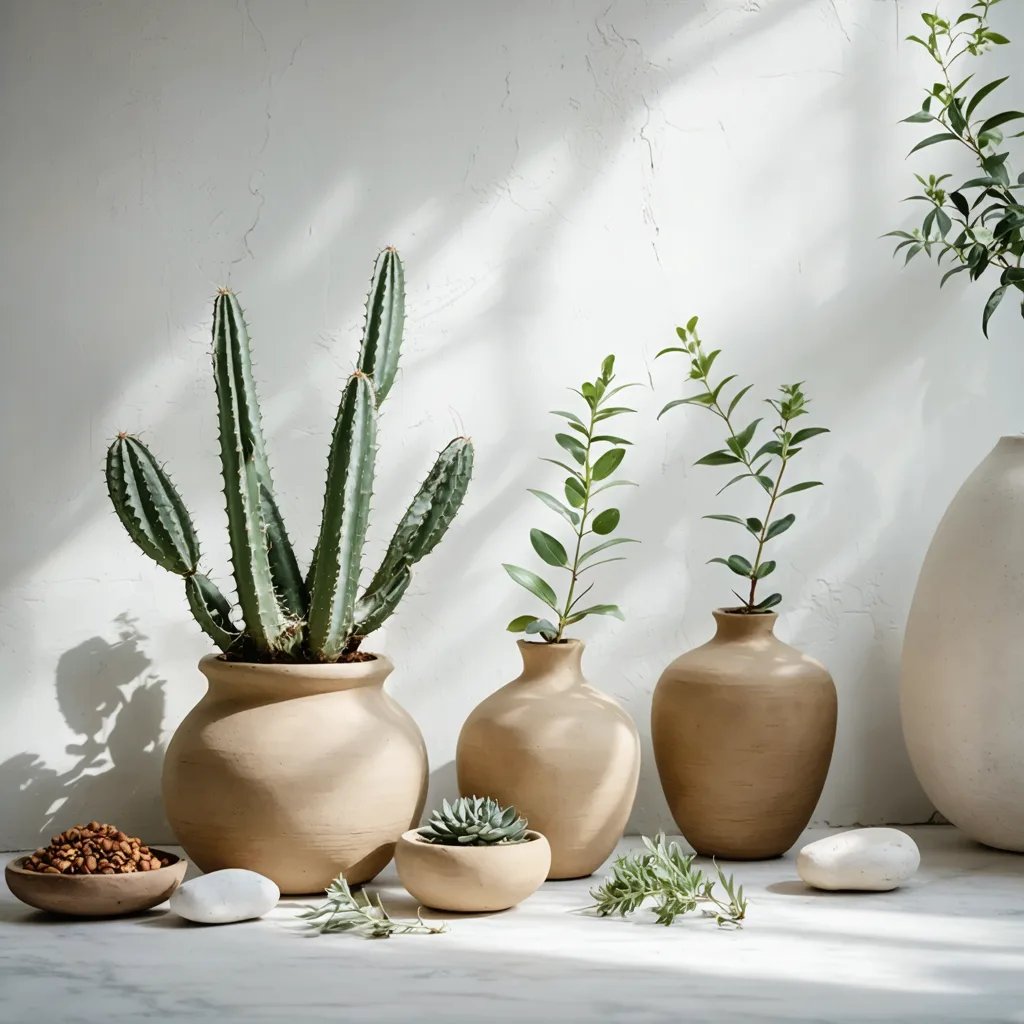
Morocco stands as a crossroads of natural remedy traditions, but do you truly know how to benefit from local medicinal plants safely? Their ancestral use is fascinating, yet it requires a rigorous understanding to protect your health.
The Richness of Moroccan Medicinal Plants
Morocco boasts an exceptionally diverse flora, with over 4,200 species identified, nearly 500 of which are traditionally used in herbal medicine. Among the most renowned are argan, thyme, verbena, black seed, and mint. These plants are so deeply rooted in Moroccan culture that they have been present in households, markets, and healing rituals for generations.
Moroccan medicinal plants are used to relieve common ailments such as digestive issues, fatigue, respiratory problems, joint pain, and skin conditions. This tradition is passed down orally and through ancient Arabic medical texts. Preparations vary and include herbal teas, decoctions, oils, poultices, and inhalations.
It is important to note that the richness of these plants goes hand in hand with significant variability in their chemical composition, depending on the region, season, or harvesting method. For example, two thyme plants collected from different areas may have slightly different properties.
Main Recognized Benefits and Popular Uses
Certain uses of Moroccan plants are supported by scientific studies, while others remain rooted in tradition. Thyme is recognized for its antiseptic properties and effectiveness against sore throats. Verbena is valued for its calming and digestive benefits. Argan oil, rich in vitamin E, is renowned for its positive effects on skin and hair.
Black seed (also known as habba sawda) is traditionally used to boost immunity and relieve asthma. Rosemary is used to support memory and concentration, while mint is a staple in infusions for digestive discomfort.
- Always seek advice from a healthcare professional before starting a herbal regimen.
- Follow recommended dosages to avoid adverse effects.
- Choose plants from reliable sources to ensure quality.
- Monitor your body’s reactions when using a plant for the first time.
Precautions and Limitations of Traditional Remedies
While Moroccan plants offer many advantages, their use is not without risk. Some can cause side effects, allergies, or interact with medications. For example, licorice can raise blood pressure, sage can be neurotoxic in high doses, and St. John’s wort can reduce the effectiveness of many drugs.
It is essential to remember that natural does not mean risk-free. Traditional remedies do not replace a medical diagnosis, especially for chronic or serious illnesses. Self-medication, even with plants, can lead to complications.
Children, pregnant or breastfeeding women, the elderly, and those with chronic conditions should be especially cautious. Dosages suitable for adults may not be appropriate for these more vulnerable groups.
Choosing and Using Medicinal Plants Wisely
Before using a traditional remedy, it is important to ensure its quality. Favor reputable herbalists, ask about the plant’s origin, drying method, and absence of pesticides or contaminants. Avoid wild harvesting unless you are an expert, as some toxic plants can resemble edible species.
Preparation also plays a key role. A decoction that is too long or at too high a temperature can degrade active compounds. Conversely, a too brief infusion may be ineffective. Always follow instructions from reliable sources.
Finally, pay attention to the duration of a herbal regimen: beyond a few weeks, medical advice is strongly recommended. Some plants lose effectiveness over time or may lead to toxin buildup if used excessively.
Integrating Traditional Remedies into a Holistic Health Approach
Using traditional Moroccan remedies should be part of a holistic approach: balanced diet, physical activity, and stress management. Plants should not be seen as miracle solutions, but as complements to a healthy lifestyle and appropriate medical care.
Specialists in herbal medicine or traditional medicine can help you choose solutions tailored to your needs. They are aware of potential interactions with conventional treatments and can adjust recommendations accordingly.
Family knowledge transmission is valuable, but it must be compared with current scientific understanding to ensure safety and effectiveness. Increasingly, research is being conducted to better understand the properties of Moroccan plants and their possible contraindications.
Practical Tips for Benefiting from Moroccan Plants
To safely enjoy the benefits of medicinal plants, follow these recommendations:
- Start with small amounts to test your tolerance.
- Note any unusual symptoms and stop use if you experience negative reactions.
- Avoid combining multiple plants without specialist advice.
- Never substitute prescribed medical treatment with herbal self-medication.
- Store plants in a dry place, away from light and moisture.
Mini FAQ on Moroccan Medicinal Plants
Q: Can Moroccan plants be used alongside medical treatments?
Yes, some plants can complement medical treatments, but it is essential to discuss this with your doctor or pharmacist. Certain interactions may reduce the effectiveness of your medications or cause side effects. A professional can assess the risks and adjust your protocol if necessary.
Q: Are plant-based remedies suitable for children?
Herbal use in children must be closely supervised. Many plants commonly used by adults are not suitable for younger individuals. It is best to consult a specialist before any use, even for a simple herbal tea.
Key takeaway: Moroccan medicinal plants offer interesting natural solutions, but require thoughtful and informed use to ensure both effectiveness and safety.
Important note: This information is general and does not replace professional medical advice.
Scientific Research and Modern Applications
In recent years, scientific interest in Moroccan medicinal plants has grown considerably. Researchers are exploring the pharmacological properties of these plants, aiming to validate traditional uses and discover new therapeutic applications. For example, studies on argan oil have highlighted its antioxidant and anti-inflammatory effects, while investigations into thyme and rosemary have revealed promising antimicrobial and neuroprotective properties. Such research not only supports traditional knowledge but also opens the door to the development of new natural medicines and supplements.
Modern applications of Moroccan plants extend beyond traditional remedies. Extracts and essential oils are now used in cosmetics, aromatherapy, and even in the food industry as natural preservatives. This integration into various sectors demonstrates the versatility and potential of Moroccan flora, while also emphasizing the need for sustainable harvesting and conservation efforts to protect these valuable resources for future generations.
How to Learn More and Stay Informed
For those interested in deepening their understanding of Moroccan medicinal plants, numerous resources are available. Books, scientific journals, and reputable websites offer detailed information on plant identification, uses, and safety. Attending workshops or consulting with certified herbalists can also provide practical, hands-on experience. Additionally, organizations and research centers in Morocco and abroad are dedicated to studying and preserving traditional plant knowledge. Staying informed through these channels ensures that you benefit from the latest findings and best practices in herbal medicine.
If you wish to explore further, consider visiting local botanical gardens or ethnobotanical museums, where you can observe medicinal plants firsthand and learn about their cultural significance. For more information, you can also consult resources such as the National Center for Biotechnology Information or the World Health Organization's page on traditional medicine.