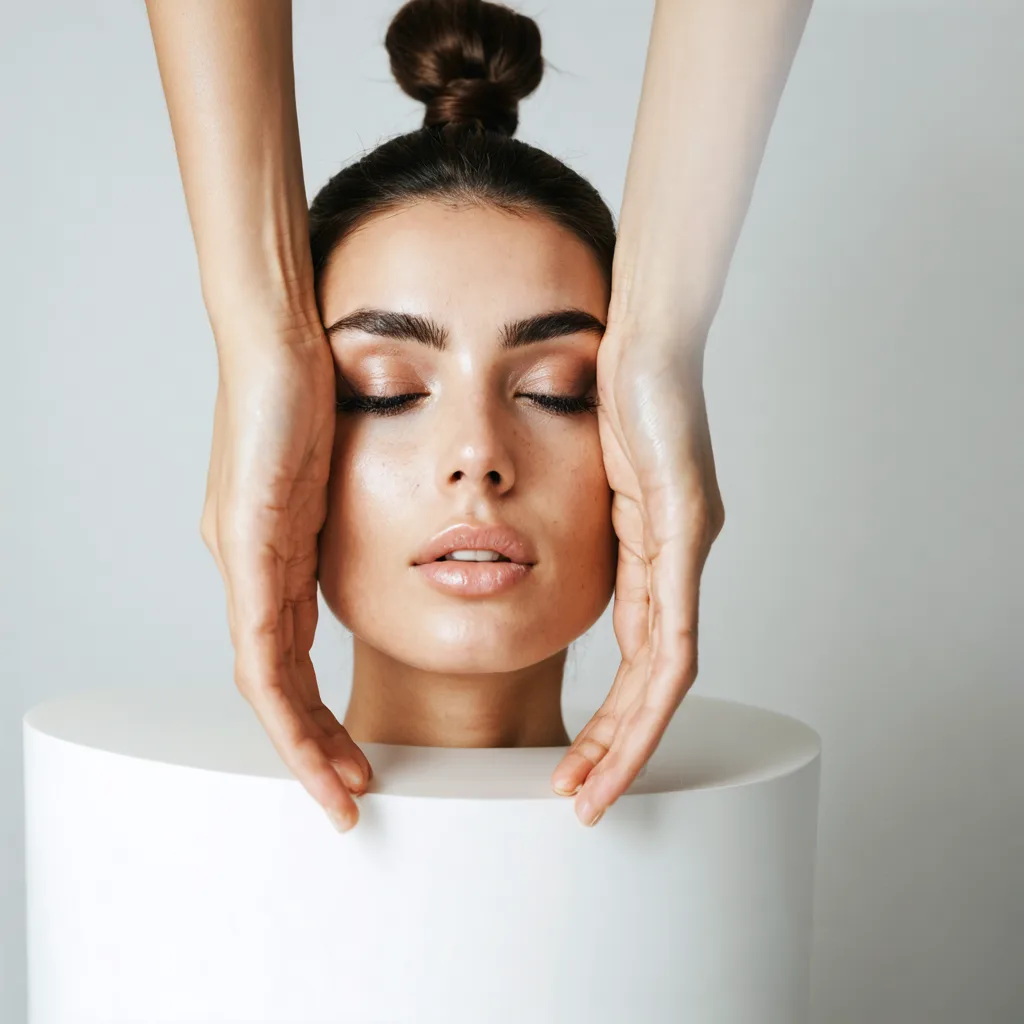
You may invest in high-quality shampoos and hair treatments, yet your hair still appears dull or lifeless. What if the secret to radiant hair and balanced skin lies in the health of your scalp? Caring for this often-forgotten area is essential to maintaining the overall beauty of your skin and hair.
Why is the scalp so important for hair and skin health?
The scalp is much more than just a base for your hair. It is a skin area rich in hair follicles, sebaceous glands, and natural microorganisms, all of which create a healthy environment for hair growth and vitality. An imbalanced scalp can lead to itching, dandruff, hair loss, or a feeling of tightness.
When the scalp is irritated or too dry, the skin barrier weakens, making redness or blemishes more likely. Conversely, excess sebum can leave roots greasy and hair lengths dull. Caring for your scalp means addressing the root cause to prevent many hair and skin issues.
It’s also important to remember that, like the rest of your skin, the scalp is exposed to various aggressors: pollution, UV rays, stress, and unsuitable products. It deserves special attention to ensure its health—and, by extension, the health of your hair and skin.
Recognizing the signs of an imbalanced scalp
Certain signals should alert you to the condition of your scalp. Persistent itching, visible dandruff (dry or oily), burning or tight sensations, and increased hair loss are all indicators of imbalance.
A healthy scalp is characterized by the absence of itching, visible flakes, and lasting comfort. When out of balance, it may show:
- Frequent itching or discomfort
- Visible dandruff on your shoulders or in your hair
- Greasy roots soon after washing
- Dry patches, redness, or a burning sensation
- More hair loss than usual
A diagnosis by a dermatologist or hair care professional can help you tailor your care routine and prevent these issues from worsening. However, a few simple steps can already significantly improve your scalp’s condition.
Essential steps for scalp care
Adopting a suitable routine starts with choosing a gentle shampoo, free from harsh sulfates and silicones, to respect the scalp’s natural balance. Washing too often or using inappropriate products can disrupt the skin barrier and trigger excess sebum production.
It is recommended to gently massage your scalp while shampooing to stimulate microcirculation. This encourages oxygenation of the hair follicles and supports hair growth. Avoid very hot water, as it can dry out both skin and hair.
Additionally, occasional use of targeted treatments, such as gentle scrubs or soothing masks, helps remove impurities and rebalance the scalp’s microbiome. Hydrating and soothing this area is just as important as caring for your face or body.
The impact of diet and lifestyle on scalp health
Your scalp’s health also depends on your lifestyle and diet. Insufficient intake of vitamins (especially B vitamins), minerals (zinc, iron), or essential fatty acids can weaken the skin barrier and slow hair growth.
Similarly, chronic stress or lack of sleep can cause hormonal imbalances that directly affect the scalp. Adopting a balanced, varied diet rich in fruits, vegetables, lean proteins, and healthy fats promotes a healthy scalp.
Remember to stay well-hydrated throughout the day. Water plays a fundamental role in the health of your skin and hair. Inadequate hydration can cause dryness, discomfort, and slow down cell renewal.
Mistakes to avoid for a healthy scalp
Certain everyday habits can weaken the scalp without you realizing it. Excessive use of heated styling tools (hairdryers, straighteners), prolonged sun exposure without protection, or harsh styling products are all factors that can damage scalp health.
Brushing too vigorously or using unsuitable brushes can also cause micro-injuries and increase irritation. It’s best to choose soft brushes and gently detangle your hair, starting from the ends.
Finally, avoid scratching or rubbing your scalp intensely if you experience itching: this will only worsen inflammation and encourage dandruff.
- Limit the use of dry shampoos and occlusive styling products
- Protect your scalp from the sun with a hat or suitable spray
- Space out washes when possible to preserve the hydrolipidic film
- Avoid frequent coloring and harsh chemical treatments
When should you see a professional about your scalp?
If, despite a suitable routine and regular care, discomfort persists (redness, itching, unusual hair loss, thick flakes), it is advisable to consult a dermatologist. Certain scalp conditions, such as psoriasis, seborrheic dermatitis, or eczema, require a precise diagnosis and specific treatment.
A professional can assess your scalp’s condition, suggest appropriate tests, and recommend personalized solutions. Early intervention often helps limit the impact on hair and skin health.
Moreover, there are now customized dermatological and hair care treatments that take into account scalp sensitivity and each individual’s specific needs.
Additional tips for maintaining scalp health
To further support your scalp, consider incorporating regular scalp massages into your routine, even outside of shampooing. Using your fingertips in gentle, circular motions can help relieve tension, boost blood flow, and promote relaxation. Some people find that adding a few drops of nourishing oils, such as jojoba or argan oil, can provide extra hydration and soothe irritation. However, always patch test new products to avoid adverse reactions.
Another helpful practice is to pay attention to the ingredients in your hair care products. Look for formulas with soothing components like aloe vera, chamomile, or panthenol, which can help calm sensitive or reactive scalps. Avoid products with high concentrations of alcohol or artificial fragrances, as these can contribute to dryness and irritation.
How environmental factors affect your scalp
Environmental factors can have a significant impact on scalp health. For example, exposure to hard water, chlorine from swimming pools, or extreme temperatures can disrupt the scalp’s natural balance. If you live in an area with hard water, consider using a clarifying shampoo once a week to remove mineral buildup. During colder months, protect your scalp from harsh winds and low humidity by wearing a hat and using richer, more moisturizing products.
Air pollution is another factor that can affect the scalp, leading to buildup and inflammation. Rinsing your hair and scalp thoroughly after spending time outdoors and using antioxidant-rich products can help counteract the effects of pollution.
Mini FAQ on scalp care
Q: Is it necessary to exfoliate the scalp?
Scalp exfoliation can help remove dead skin cells and product buildup, but it should be done gently and occasionally. Overuse or abrasive products can irritate the skin. Adjust the frequency to your scalp type and opt for gentle formulas.
Q: Can you use the same products for facial skin and the scalp?
No, the scalp has specific characteristics (hair follicles, more active sebaceous glands) that require tailored care. Choose products formulated specifically for the scalp to avoid adverse reactions or disrupting the local microbiome.
Q: Are there any natural remedies for a healthy scalp?
Some natural remedies, such as rinsing with diluted apple cider vinegar or applying aloe vera gel, may help balance the scalp’s pH and soothe irritation. However, it’s important to use these remedies cautiously and discontinue use if any irritation occurs. Always consult a healthcare professional before trying new treatments, especially if you have a sensitive scalp or underlying skin conditions.
Key takeaway: Caring for your scalp is essential for beautiful hair and balanced skin. Simple, appropriate steps can prevent many common issues.
Important note: This information is for general purposes and does not replace professional medical advice.