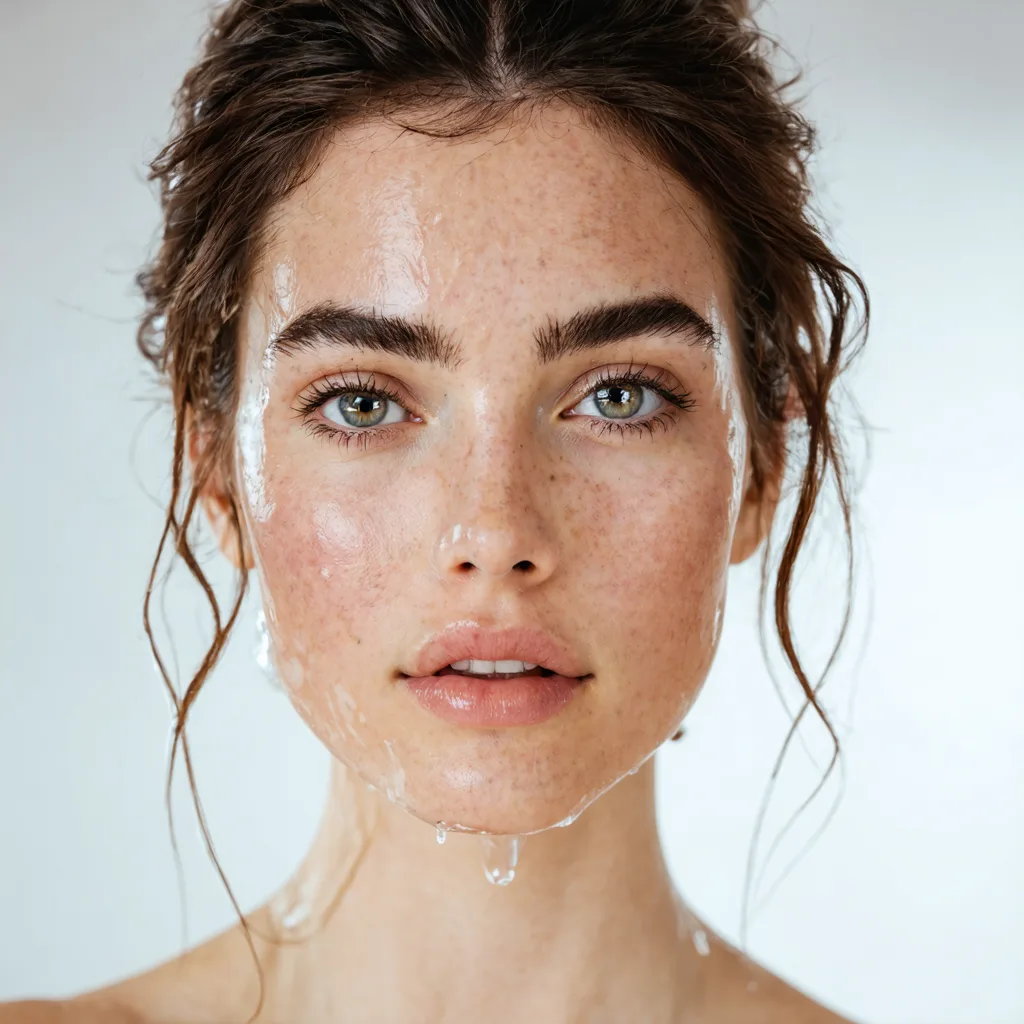
You may apply a moisturizer or hair mask every day, yet still notice your skin feels tight and your hair looks dull. While caring for hydration is essential, it’s just as important to avoid the most common pitfalls. This article reveals the mistakes to stop making in order to preserve the beauty and health of your skin and hair.
Understanding Hydration: A Fundamental Issue for Skin and Hair
Hydration is the cornerstone of radiant skin and supple hair. Water makes up about 70% of the skin and plays a crucial role in cellular cohesion, elasticity, and protection against external aggressors. A lack of hydration leads to dryness, discomfort, and, over time, premature aging.
For hair, hydration directly affects shine, strength, and flexibility of the hair fiber. Dehydrated hair becomes brittle, unruly, and loses its natural luster. It is therefore essential to distinguish between hydration (water supply) and nutrition (lipid supply), two often-confused but complementary concepts.
The main keyword “skin and hair hydration” should be understood as part of a tailored routine that respects each individual’s specific needs.
Mistake #1: Confusing Hydration with Nutrition
Many people believe that a rich or nourishing product is enough to hydrate skin or hair. However, these products mainly provide lipids, which are vital for strengthening the protective barrier, but insufficient to compensate for a lack of water. Effective hydration relies on ingredients that retain water in tissues, such as glycerin, hyaluronic acid, or urea.
For hair, this confusion often leads to the exclusive use of oils or butters, which can weigh down the hair fiber without truly hydrating it. It is crucial to include hydrating treatments rich in humectants and to complement them with nourishing care according to your skin or hair type.
Tip: After gentle cleansing, first apply a hydrating product, then seal in moisture with a suitable oil or butter.
Mistake #2: Neglecting Internal Water Intake
We often focus solely on topical products, forgetting that hydration starts from within. Drinking enough water throughout the day is essential for maintaining overall fluid balance. Insufficient intake results in reduced skin elasticity, a dull complexion, and weakened hair.
Needs vary depending on age, physical activity, and ambient temperature, but generally, it is recommended to drink about 1.5 to 2 liters of water per day. Foods rich in water, such as fresh fruits and vegetables, also contribute to overall hydration.
Key point: Good internal hydration is reflected in the vitality of your skin and the resilience of your hair.
Mistake #3: Using Products Unsuitable for Your Skin or Hair Type
Product choice is critical. Using a cream that is too rich on oily skin or a drying shampoo on curly hair can worsen imbalances and increase dehydration. It’s important to accurately identify your skin type (dry, combination, oily, sensitive) and hair type (dry, oily, fine, thick, colored) to tailor your routine.
Advice: Choose formulas with proven hydrating ingredients (aloe vera, panthenol, hyaluronic acid) and avoid potentially irritating or drying components (alcohol, harsh sulfates, occlusive silicones).
A personalized approach enhances effectiveness and reduces the risk of adverse reactions, such as redness, tightness, or itching.
Mistake #4: Washing Too Frequently or with Harsh Products
Washing your face or hair too often, or using inappropriate cleansers, can disrupt the natural hydrolipidic film and promote transepidermal water loss. For skin, it’s best to use gentle, soap-free cleansers and limit washing to twice a day (morning and evening).
For hair, frequent or harsh shampoos weaken the hair fiber and scalp. Depending on your hair type, it’s preferable to space out washes and choose gentle formulas free from sulfates and parabens.
Did you know? Hot water increases dehydration. Opt for lukewarm water in your daily care routine.
Essential Habits for Optimal Hydration
Beyond avoiding mistakes, certain habits greatly help maintain skin and hair hydration. Here are some practical tips to incorporate into your routine:
- Drink regularly throughout the day, even if you don’t feel thirsty.
- Apply hydrating products to slightly damp skin or hair to enhance absorption.
- Protect yourself from external aggressors: wind, sun, pollution, chlorinated or hard water.
- Adopt a varied diet rich in antioxidants (vitamins A, C, E, zinc, omega-3).
- Use suitable accessories (microfiber towel, wide-tooth comb) to minimize friction.
Additional Tips for Seasonal Hydration Challenges
Seasonal changes can significantly impact skin and hair hydration. In winter, cold air and indoor heating can strip moisture, leading to increased dryness and sensitivity. During summer, sun exposure, saltwater, and chlorine can dehydrate both skin and hair. Adjust your routine by using richer hydrating products in winter and lighter, protective formulas in summer. Consider using a humidifier indoors during colder months to maintain ambient moisture levels, and always protect your skin and hair with hats or scarves when exposed to harsh weather.
Traveling, especially by air, can also contribute to dehydration. Carry a travel-sized hydrating mist or serum to refresh your skin and hair during long journeys. Remember to reapply sunscreen regularly to prevent UV-induced dehydration and damage.
FAQ: Frequently Asked Questions About Skin and Hair Hydration
Q: How can I tell if my skin is dehydrated?
Dehydrated skin often feels tight, looks dull, and may show fine dehydration lines or reduced suppleness. It can be oily, dry, or combination, but lacks water, not lipids. A professional assessment can help you adjust your routine.
Q: Is it possible to over-hydrate hair or skin?
Over-hydration is rare, but using too many products or unsuitable treatments can weigh down hair or cause skin imbalances (breakouts, excessive shine). The best approach is to listen to your skin and hair’s needs, adjusting the frequency and amount of care accordingly.
When Should You See a Professional?
If, despite a suitable routine, you notice persistent dryness, itching, redness, or unusual hair loss, it’s advisable to consult a dermatologist or hair specialist. Some conditions (eczema, psoriasis, alopecia) require medical supervision and specific treatments.
A professional can guide you toward personalized solutions and rule out underlying causes of dehydration.
Key Takeaways
Key takeaway: Optimal skin and hair hydration relies on simple, tailored habits and avoiding the most common mistakes.
Important note: This information is for general purposes and does not replace professional medical advice.
Resources and Further Reading
For more information on skin and hair hydration, consult reputable sources such as the American Academy of Dermatology or the AAD Hair Care Guidelines. These organizations offer evidence-based advice and tips for maintaining healthy, hydrated skin and hair throughout the year.