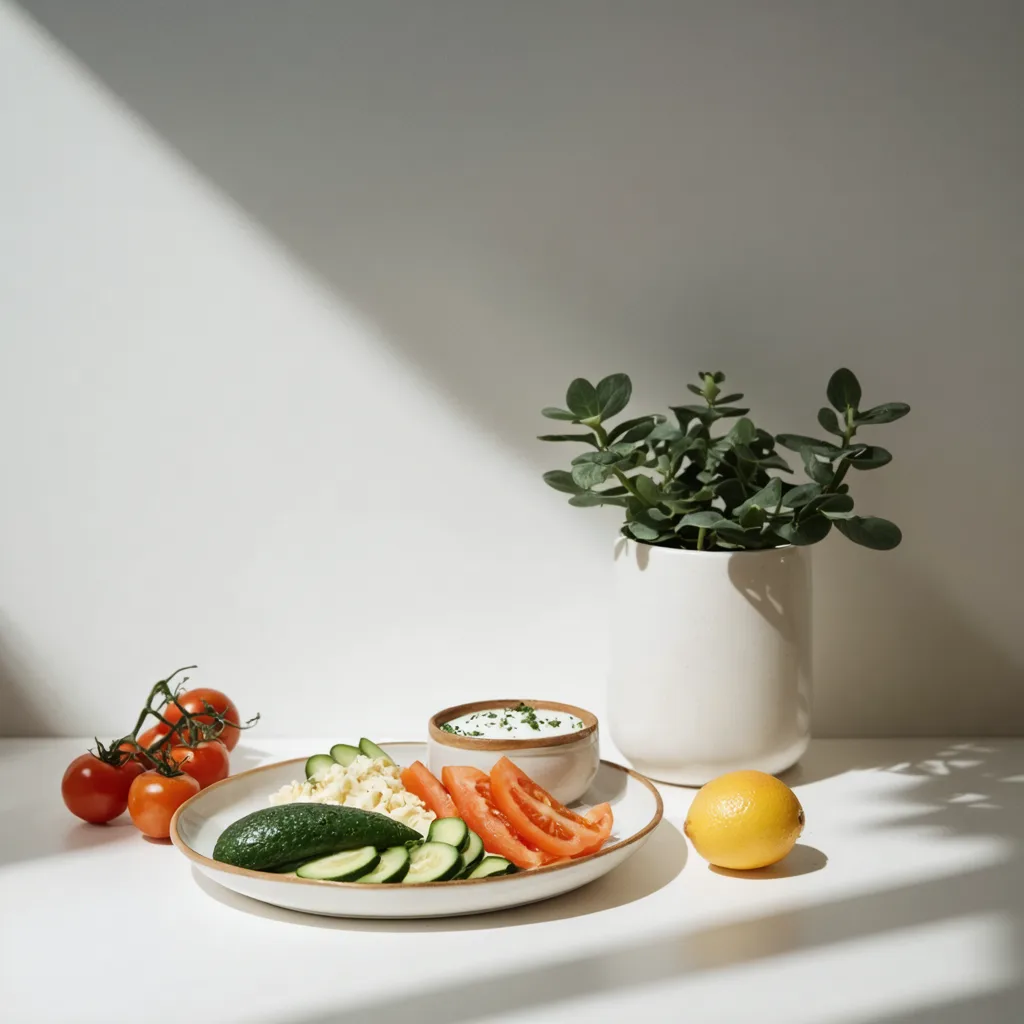
Do you often find yourself wondering what to eat each evening, or resorting to ready-made meals because you lack time? Meal planning is the key to maintaining a healthy diet every day while saving both time and energy.
Why Plan Your Meals? The Benefits of Meal Organization
Although meal planning may seem restrictive at first, it offers numerous advantages for your health and overall well-being. Organizing your meals not only helps you balance your nutritional intake more effectively, but also reduces food waste and makes it easier to stick to your budget.
By anticipating your weekly menus, you avoid impulsive purchases and food choices driven by hunger or fatigue. Planning encourages dietary variety by motivating you to include different vegetables, proteins, and grains. It’s also an excellent way to incorporate more fresh and seasonal products into your meals.
Finally, good organization reduces the daily stress associated with meal preparation and allows you to save valuable time in the kitchen.
Key Steps for Successful Meal Planning
Meal planning revolves around a few simple but essential steps. The first is to assess your schedule: how many meals do you need to prepare? When are you available to cook? This reflection will help you design menus that fit your lifestyle and constraints.
Next, focus on creating varied and balanced menus, keeping in mind nutritional recommendations: include vegetables at every meal, a source of protein (animal or plant-based), whole grains when possible, and dairy or plant-based alternatives as needed.
Another crucial step is to make a comprehensive shopping list based on your planned menus. This helps you avoid forgetting ingredients and limits unnecessary or unhealthy purchases.
How to Balance Your Menus?
A balanced menu is based on variety and respecting recommended portions. For each main meal, make sure to include:
- A serving of raw or cooked vegetables (ideally half your plate)
- A source of protein (meat, fish, eggs, legumes, tofu, etc.)
- Grains, preferably whole (rice, pasta, quinoa, potatoes, etc.)
- A dairy product or a calcium-fortified plant-based alternative
- A fresh fruit for dessert or as a snack
Varying your protein sources and alternating grains with legumes supports good nutritional balance. Remember to limit ultra-processed foods, which are often higher in salt, sugar, and unhealthy fats.
To take your organization further, you can use techniques like “batch cooking,” which involves preparing several dishes in advance to enjoy throughout the week. This approach optimizes your time in the kitchen and gives you better control over the quality of your meals.
Time-Saving Tips to Simplify Planning
Planning meals doesn’t have to be complicated. A few simple strategies can make organization much easier:
- Set aside a fixed time each week to plan your menus (for example, Sunday evening)
- Use a chart or a mobile app to visualize your meals
- Cook larger quantities and freeze portions for busy days
- Choose simple, quick recipes to prepare
- Always keep some basic ingredients on hand (eggs, canned vegetables, whole grain pasta) to improvise a balanced meal
Involving the whole family in planning allows everyone to suggest their favorite dishes and adopt healthy eating habits. This also helps pass on a culture of “eating well” from a young age.
Adapting Planning to Your Specific Needs
Every household and individual has different dietary needs. People following a specific diet (vegetarian, gluten-free, etc.), athletes, or growing children will need to adapt their menus accordingly. Don’t hesitate to consult a healthcare professional or dietitian for personalized guidance.
Also, consider the seasons and prioritize local products. This not only brings variety and pleasure to your meals but also supports the environment and provides better nutritional quality.
If you have specific goals (weight loss, muscle gain, managing a health condition), planning helps you better control portions and the quality of your intake. However, be sure to maintain flexibility so that planning doesn’t become a rigid constraint.
Mini FAQ: Your Questions About Meal Planning
Q: How can I avoid monotony in my weekly menus?
To keep things interesting, try a new recipe each week, vary your cooking methods, and use different spices or herbs. Including seasonal products is another great way to naturally refresh your menus.
Q: Is it necessary to plan every meal, including breakfasts and snacks?
It’s not mandatory, but having a few healthy options ready for breakfast and snacks can help curb impulsive choices, especially when you’re hungry. This also contributes to better overall dietary balance.
Practical Tips for Effective Planning
- Get all family members involved in choosing menus
- Try batch cooking once or twice a week
- Keep an evolving shopping list on your phone
- Plan a “leftovers night” to reduce food waste
- Save more elaborate dishes for weekends or days off
Adapting Your Habits for Sustainable Eating
Meal planning is also an opportunity to adopt a more responsible diet. By buying only what you need, you reduce food waste and make more sustainable choices, such as favoring local supply chains or seasonal products.
Thinking ahead about your menus also encourages more home cooking and less reliance on processed foods, which is beneficial for both your health and the environment. This is a gradual process: start by planning a few meals, then increase as you get used to it and as your needs evolve.
Common Challenges and How to Overcome Them
Many people struggle with meal planning due to a lack of inspiration or motivation. If you find yourself stuck in a rut, try browsing cookbooks, food blogs, or social media for new ideas. You can also swap recipes with friends or family to discover new favorites. Another common challenge is finding time to plan and shop. To address this, consider setting reminders or blocking out a specific time each week for planning and grocery shopping. If you’re short on time, online grocery delivery services can help streamline the process and ensure you have everything you need for the week ahead.
Don’t be discouraged if your first attempts at meal planning aren’t perfect. It’s normal to make adjustments as you learn what works best for your household. Over time, you’ll develop a system that fits your preferences and schedule, making healthy eating much more manageable.
Meal Planning for Special Occasions and Busy Periods
Meal planning can be especially helpful during busy periods, such as holidays, back-to-school weeks, or when you have guests. In these situations, plan simple, crowd-pleasing recipes that can be made in advance or doubled for leftovers. Consider preparing a few freezer-friendly meals ahead of time, so you always have a nutritious option on hand. For special occasions, involve your family or friends in the planning and cooking process to make it more enjoyable and less stressful. Remember, flexibility is key—if plans change, don’t hesitate to swap meals or use up leftovers creatively.
Resources to Support Your Meal Planning Journey
There are many resources available to help you become a more effective meal planner. Consider using meal planning apps, printable templates, or online recipe collections to organize your menus and shopping lists. Some websites offer customizable meal plans based on dietary preferences or health goals. For additional support, you can join online communities or forums where people share tips, recipes, and encouragement. If you want to deepen your knowledge, look for reputable nutrition websites or consult a registered dietitian for evidence-based advice. For more information, you can visit resources like EatRight.org or ChooseMyPlate.gov.
Key Takeaway: Meal planning is accessible to everyone and makes it easier to eat healthily, save money, and reduce daily stress, all while supporting a more sustainable lifestyle.
Important Note: This information is for general purposes only and does not replace professional medical advice.