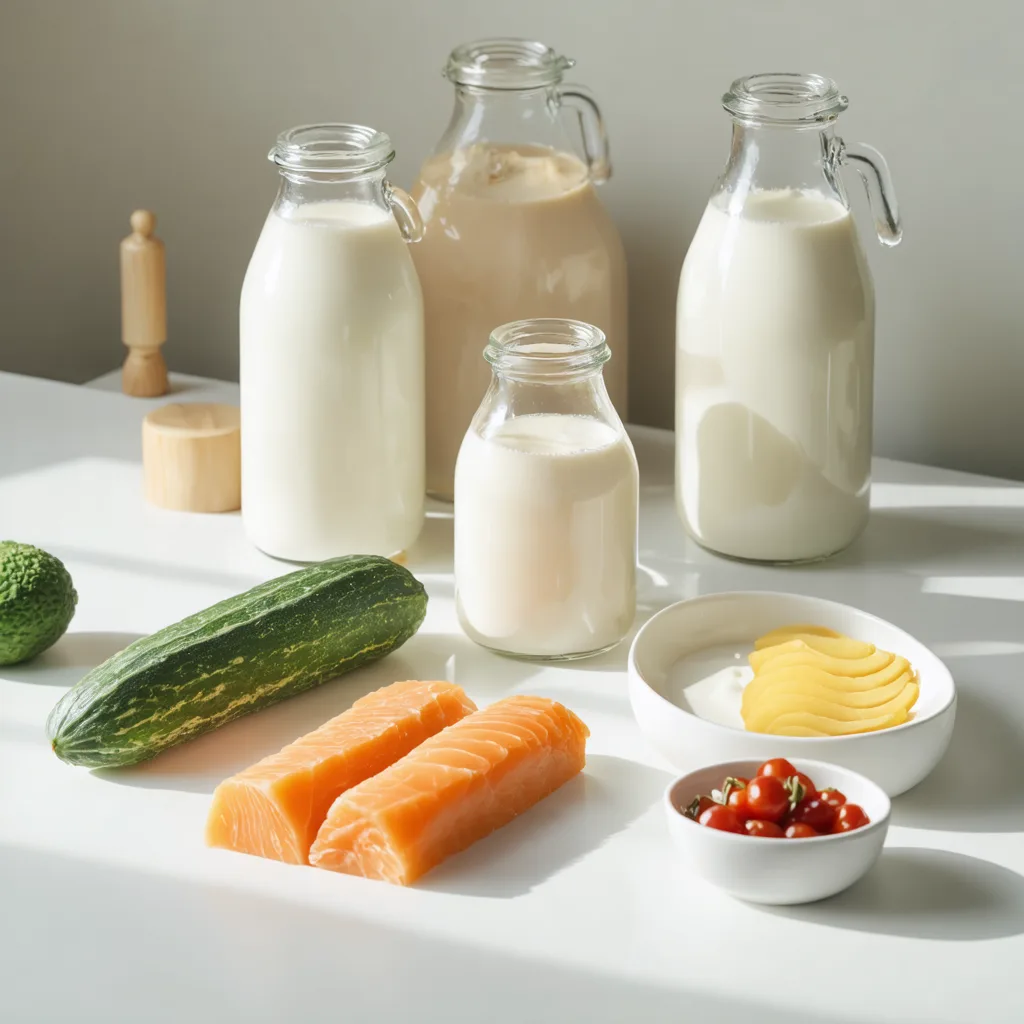
Did you know that the quality of the proteins you consume directly affects your energy, satiety, and overall health? With so many available sources, making the right dietary choices each day can seem overwhelming.
Why are proteins essential for our bodies?
Proteins play a crucial role in building and repairing tissues, supporting immune function, and producing enzymes and hormones. They also serve as an additional energy source alongside carbohydrates and fats. Ensuring a sufficient and high-quality protein intake is therefore fundamental for maintaining good health.
Contrary to popular belief, protein needs are not limited to athletes or older adults. Everyone, regardless of age, requires protein to support cell renewal and healthy metabolic function. A prolonged deficiency can lead to muscle loss, weakened immunity, and increased fatigue.
There are two main categories of proteins: animal proteins (meat, fish, eggs, dairy products) and plant proteins (legumes, grains, nuts, soy, etc.). Each offers specific benefits, making it important to understand them to tailor your dietary choices.
Differences between animal and plant proteins: benefits and limitations
Animal proteins are often considered “complete” because they contain all the essential amino acids the body needs. They are also generally better absorbed by the body. For this reason, they are frequently recommended to efficiently meet protein requirements, especially during periods of growth or muscle recovery.
However, excessive consumption of animal proteins may be linked to certain health risks, particularly when intake of saturated fats and salt is high (as found in red meats and processed meats). It is therefore advisable to vary your sources and favor lean meats, fish, and eggs.
Plant proteins, on the other hand, are often incomplete, meaning they do not contain all essential amino acids on their own. Nevertheless, by combining different plant sources (for example, grains and legumes), you can achieve a complete amino acid profile. Plant proteins are also high in fiber and low in saturated fat, which supports better digestive and cardiovascular health.
How to meet your daily protein needs?
Protein requirements vary depending on age, sex, physical activity level, and physiological state (growth, pregnancy, aging). On average, recommendations for adults are around 0.8 to 1 g of protein per kilogram of body weight per day.
For instance, a person weighing 70 kg needs about 56 to 70 g of protein daily. It is important to distribute this intake throughout the day to optimize absorption and avoid overloading the kidneys.
Here are some examples of protein content in common foods:
- 100 g cooked chicken: about 22 g of protein
- 2 eggs: about 14 g of protein
- 100 g cooked lentils: about 9 g of protein
- 100 g tofu: about 15 g of protein
- 30 g nuts: about 4 g of protein
For vegetarians and vegans, it is essential to diversify plant protein sources to cover all essential amino acids.
Tips for making smart protein choices every day
Eating quality protein does not necessarily mean consuming more meat. The key is to vary your sources and pay attention to product quality. Choose lean meats, fatty fish (rich in omega-3), eggs from responsible farming, as well as legumes, whole grains, and nuts.
It is also advisable to limit processed meats and deli products, which are often too high in salt, additives, and saturated fats. Prefer gentle cooking methods (steaming, grilling, baking in foil) that preserve the nutritional quality of proteins while limiting added fats.
To enhance the diversity of your diet, regularly include:
- Legumes (lentils, chickpeas, red beans)
- Whole grains (quinoa, brown rice, buckwheat)
- Plant-based protein alternatives (tofu, tempeh, seitan)
Proteins and dietary balance: how to include them in a healthy meal?
A balanced meal should combine a protein source, vegetables (for fiber and micronutrients), a serving of starchy foods (for energy), and a quality fat (olive oil, canola, walnuts, etc.). This combination ensures good satiety while limiting blood sugar spikes.
To optimize protein intake throughout the day, it is recommended to spread consumption across the three main meals, and include a protein-rich snack if needed (plain yogurt, a handful of nuts, hummus).
Here are some practical tips for creating balanced meals:
- Vary protein sources at each meal to benefit from all essential amino acids.
- Combine legumes and grains in the same meal to complete the amino acid profile.
- Add fresh or cooked vegetables to increase fiber and vitamin intake.
Proteins and specific needs: children, seniors, athletes…
Protein requirements change throughout life. For children, proteins are vital for growth and muscle development. Teenagers, during periods of rapid growth, also have increased needs. For pregnant or breastfeeding women, intake should be adjusted to support the formation of fetal or infant tissues.
Seniors should ensure regular and sufficient protein intake, as age-related muscle loss can reduce mobility and strength. Adequate protein helps preserve muscle mass and prevent sarcopenia.
For athletes, proteins are essential for recovery, muscle fiber repair, and performance improvement. However, consuming excessive protein does not provide additional benefits; it is better to distribute intake and focus on quality over quantity.
How to read nutrition labels for protein quality
Understanding nutrition labels can help you make informed choices about the protein content and quality in packaged foods. Look for the amount of protein per serving, but also check the ingredient list for sources of protein. Products with whole food ingredients, such as beans, nuts, or lean meats, are generally preferable to those with highly processed protein isolates or additives. Pay attention to sodium and saturated fat content, especially in ready-to-eat meals and snacks. If you follow a plant-based diet, check for combinations of grains and legumes to ensure a complete amino acid profile. For more information on reading nutrition labels, you can visit the FDA's guide to nutrition labels.
Environmental and ethical considerations
Choosing protein sources also has an impact on the environment and animal welfare. Plant-based proteins generally have a lower carbon footprint and require less water and land compared to animal proteins. Reducing your intake of red and processed meats can contribute to a more sustainable diet. If you choose animal proteins, look for products labeled as organic, free-range, or sustainably sourced. These options often reflect better animal welfare practices and reduced environmental impact. By diversifying your protein sources and including more plant-based options, you can support both your health and the planet.
Common myths about protein
There are many misconceptions about protein. One common myth is that more protein always equals better health or faster muscle gain. In reality, excess protein is not stored as muscle but is either used for energy or excreted. Another myth is that plant proteins are inferior to animal proteins; as discussed, a varied plant-based diet can provide all essential amino acids. Finally, some believe that protein supplements are necessary for everyone, but most people can meet their needs through a balanced diet. Supplements may be helpful in specific cases, such as for athletes with high requirements or those with dietary restrictions, but they are not essential for the general population.
Mini FAQ
Q: Are plant proteins as effective as animal proteins?
Yes, provided they are properly combined to obtain all essential amino acids. Varying plant protein sources (grains, legumes, nuts) can effectively meet nutritional needs.
Q: Should you eat protein at every meal?
It is recommended to distribute protein intake throughout the day, ideally at each main meal, to optimize absorption and support cell renewal.
Key takeaway: Varying protein sources and prioritizing quality helps meet your body’s needs while supporting a balanced and health-promoting diet.
Important note: This information is for general purposes and does not replace professional medical advice.