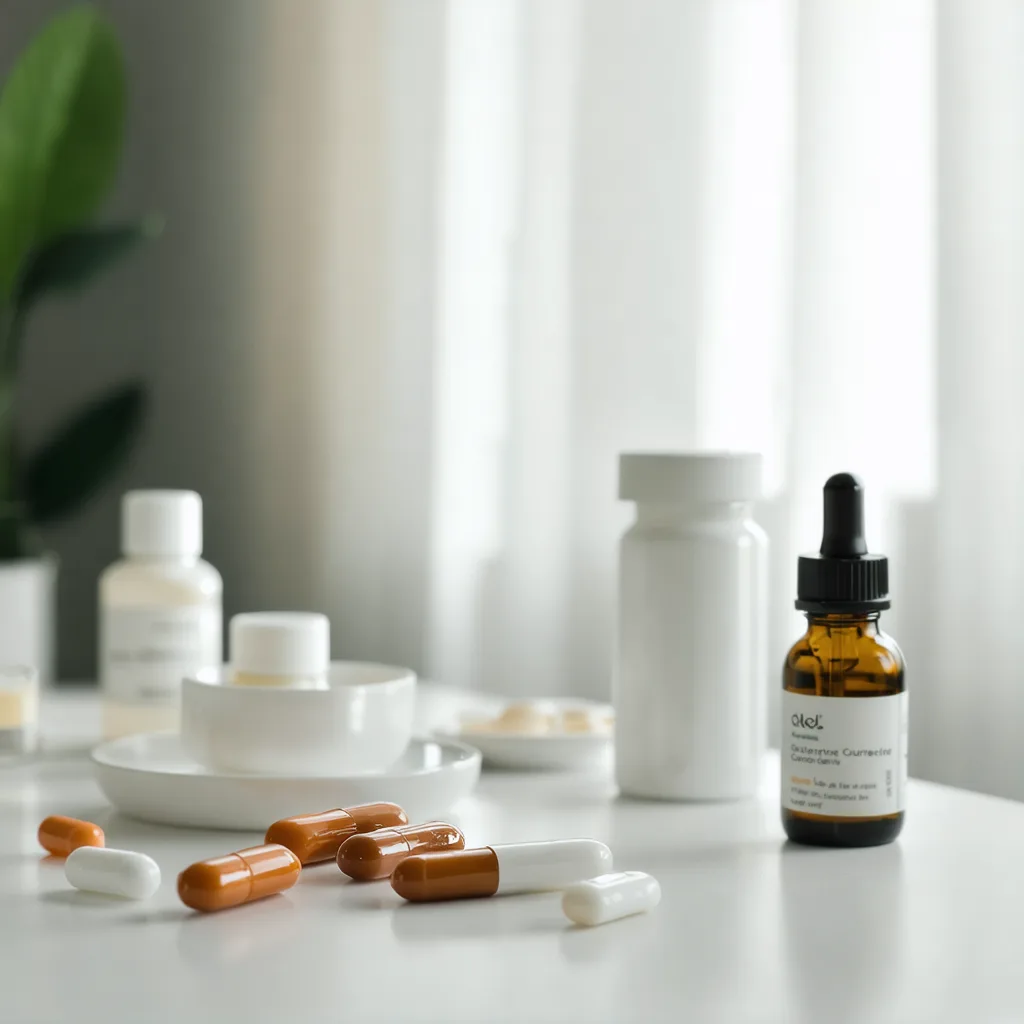
Have you ever taken medication without consulting a healthcare professional, thinking it was harmless? While self-medication is becoming increasingly common, it is not without risks. When used incorrectly, it can lead to complications, some of which may be serious.
Understanding Self-Medication: Definition and Issues
Self-medication refers to the use of medicines without a medical prescription, whether to treat common symptoms or to prevent minor ailments. According to the French National Agency for Medicines and Health Products Safety (ANSM), nearly one in two people in France self-medicate each year. This trend is driven by easier access to many over-the-counter medicines in pharmacies, as well as a desire for autonomy and quick relief from what are perceived as minor health issues.
However, while self-medication can provide temporary relief, it should always be approached with caution. Misuse of medicines, even those available without a prescription, exposes individuals to risks such as drug interactions, overdoses, and unexpected side effects. Being well-informed and following certain rules is essential to safeguard your health.
The main keyword “self-medication mistakes” as well as secondary keywords like “over-the-counter medicines,” “self-medication risks,” “pharmacy advice,” and “proper medicine use” will be addressed throughout this article to answer all your concerns on the topic.
Common Mistakes When Self-Medicating
Many errors occur when taking medicines without medical advice. The first is assuming that an over-the-counter medicine is harmless. In reality, every medicine has contraindications and usage precautions, even if it does not require a prescription.
Another widespread mistake is self-diagnosis. Relying solely on your own knowledge or on unreliable sources (such as forums or social media) increases the risk of missing a more serious health problem that requires appropriate medical attention.
Finally, incomplete reading or lack of attention to the leaflet often leads to dosage errors, forgetting the duration of treatment, or being unaware of potential side effects. It is crucial to always read the leaflet and follow the pharmacist’s instructions.
Risks Associated with Improper Self-Medication
The dangers of poorly managed self-medication are numerous. Overdosing is one of the most common, especially with painkillers like paracetamol or ibuprofen, which can cause liver or kidney damage. Drug interactions are also a major risk, particularly for people taking multiple treatments or those with chronic illnesses.
Seemingly minor symptoms can sometimes mask a serious condition. By masking these symptoms with medication, you risk delaying a crucial diagnosis. Additionally, some medicines are contraindicated in specific situations (such as pregnancy, breastfeeding, children, or the elderly).
It is also important not to keep or reuse medicines prescribed for a previous illness, as they may not be suitable for a new situation. Adhering to the “proper use of medicines” is fundamental to minimizing these risks.
Best Practices for Responsible Self-Medication
Practicing responsible self-medication means first and foremost being informed and seeking advice, even for over-the-counter medicines. Pharmacists play a key role in guiding you to the right product and helping you avoid mistakes.
Here are some practical tips to reduce the risks associated with self-medication:
- Always read the leaflet for each medicine before use.
- Never exceed the recommended dose or the prescribed duration of treatment.
- Inform your pharmacist about any ongoing treatments, allergies, or medical history.
- Never give your medicines to someone else, even if their symptoms seem similar.
- Seek professional advice if you have any doubts or if your symptoms change unexpectedly.
Keep your medicines in their original packaging, out of reach of children, and return any unused medicines to the pharmacy for safe disposal.
When Should You Consult a Healthcare Professional?
Self-medication is only suitable for minor, short-term ailments in people without particular risk factors. If symptoms persist, worsen, or are accompanied by unusual signs (such as high fever, breathing difficulties, or severe pain), it is essential to consult a doctor.
Similarly, certain situations always require medical advice: young children, pregnant or breastfeeding women, the elderly, or people with chronic diseases. Self-medication should never replace a professional diagnosis.
If you make a mistake in taking your medicine or suspect an overdose, contact your local poison control center or emergency services immediately for prompt care.
The Role of the Pharmacist and Reliable Information Resources
The pharmacist is a key point of contact for over-the-counter medicines. Their role is to advise, warn about contraindications, and remind you of best practices for medicine use. Do not hesitate to ask them about dosages, compatibility with other treatments, or necessary precautions.
There are many tools available to help you stay informed: official health websites, online leaflets, and apps dedicated to medicine management. Always choose reliable sources to avoid incorrect or alarming information circulating online.
Finally, be vigilant when buying medicines online. Make sure the pharmacy is authorized and the website is secure to reduce the risk of counterfeit products or poor advice.
Mini FAQ: Your Questions About Self-Medication
Q: Is self-medication possible for all minor ailments?
No, some minor conditions can develop into more serious forms or require specific treatment. It is important to respect the duration and intensity of symptoms that allow for self-medication. When in doubt, always seek advice from a healthcare professional.
Q: Can you combine several medicines when self-medicating?
It is not recommended to combine several medicines without medical advice, even if they are available over the counter. Interactions can increase side effects or reduce the effectiveness of treatments. Always inform your pharmacist about all the medicines you are currently taking.
Key Takeaways
Key Takeaway: Responsible self-medication is based on information, following recommendations, and consulting your pharmacist. Preventing mistakes is always better than treating their consequences.
Important Note: This information is general and does not replace professional medical advice.
How to Recognize Warning Signs When Self-Medicating
It is crucial to be able to identify warning signs that indicate self-medication may not be appropriate or safe. If you notice new symptoms, a lack of improvement, or unexpected reactions after taking a medicine, stop self-medicating and seek medical advice promptly. Symptoms such as persistent vomiting, confusion, rashes, or swelling can signal an adverse reaction or a more serious underlying condition. Being attentive to your body’s signals is an important part of responsible self-care.
Educating Family Members About Safe Self-Medication
Sharing knowledge about safe self-medication practices with family members, especially teenagers and elderly relatives, is essential. Discuss the importance of not sharing medicines, reading labels, and consulting a pharmacist before taking any new over-the-counter product. Encourage open communication about any medicines being taken and create a safe environment by storing medicines securely. This proactive approach can help prevent accidental misuse and promote a culture of health awareness within your household.
Additional Resources for Safe Self-Medication
For more information on safe self-medication, consult reputable sources such as the World Health Organization and your country’s national health authority. Many pharmacies also offer brochures and online resources to help you make informed decisions. Remember, staying updated on best practices and guidelines is key to protecting your health and the health of those around you.