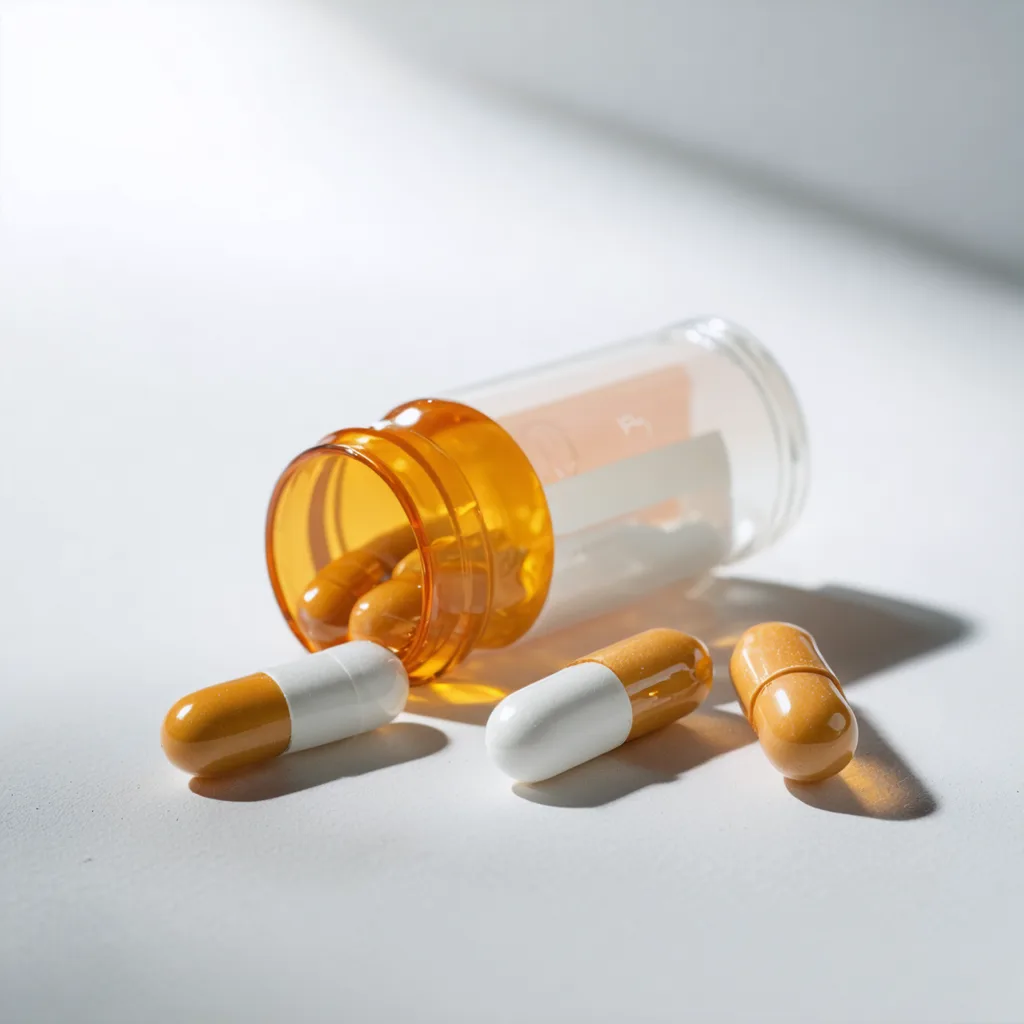
Every year, more than one in two people in France turn to self-medication to treat pain, colds, or digestive issues. But do you really know how to use these medicines safely? Taking a tablet without medical advice may seem harmless, but improper use can lead to side effects, drug interactions, or even mask a more serious underlying condition.
What is self-medication and why is it so widespread?
Self-medication involves using medicines, usually available without a prescription, to relieve mild symptoms without consulting a healthcare professional. In France, this practice is encouraged for common ailments such as headaches, fever, or sore throat. It meets the need for autonomy and quick management of everyday health problems.
The increased availability of medicines in pharmacies and the vast amount of information accessible online partly explain this popularity. However, self-medication should never replace a medical consultation if symptoms persist or worsen. Health authorities regularly remind the public that some medicines, even those sold over the counter, carry risks if misused.
The main medicines involved are painkillers (paracetamol, ibuprofen), cough suppressants, antihistamines, and digestive remedies. When used correctly, they can quickly improve comfort. On the other hand, inappropriate use can lead to poisoning, drug interactions, or delayed diagnosis.
The risks of poorly managed self-medication
Self-medication is not without danger. The main risk is overdose, especially with common substances like paracetamol, which can cause severe liver damage if taken in excess. Similarly, ibuprofen can lead to digestive or kidney complications if taken in large quantities or when contraindicated.
Drug interactions are another often underestimated danger. Taking several medicines at the same time, even if they seem harmless, can cause unexpected side effects. For example, combining certain anti-inflammatories with anticoagulants increases the risk of bleeding.
Finally, self-medication can mask an underlying disease. Treating pain or fever systematically without identifying the cause may delay the management of an infection or a more serious condition, potentially leading to worse outcomes.
How to choose and use a medicine for self-medication?
Before buying a medicine without a prescription, it is essential to clearly identify your symptoms and ensure they correspond to a minor ailment. Carefully reading the leaflet helps you understand the indications, contraindications, and recommended dosages.
It is important never to exceed the maximum daily dose and to respect the recommended duration of treatment. For example, paracetamol should not be used in high doses or for a long period without medical advice. Similarly, some medicines are contraindicated for pregnant women, children, or people with chronic illnesses.
Asking the pharmacist for advice remains an essential step. This professional can guide you in choosing the right medicine, check for possible interactions, and suggest alternatives if necessary.
- Describe your symptoms precisely to the pharmacist.
- Inform them of your medical history and current treatments.
- Check the expiry date before each use.
- Never take medicine prescribed for someone else.
- Stop the treatment and consult a doctor if symptoms persist for more than 48 hours.
Common mistakes to avoid in self-medication
Certain behaviors increase the risks associated with self-medication. Taking someone else’s medicine, reusing an old prescription, or mixing several products in the hope of boosting effectiveness are frequent errors.
Not following dosage instructions and forgetting specific contraindications (such as asthma for anti-inflammatories) can have serious consequences. Taking several medicines containing the same active ingredient (paracetamol, ibuprofen, etc.) at the same time can lead to accidental overdose without realizing it.
Finally, natural or herbal medicines are not without risks. They can interact with conventional treatments or cause side effects, especially if self-medication is prolonged or repeated.
When should you absolutely consult a healthcare professional?
Certain warning signs require prompt medical consultation. These include persistent or worsening symptoms despite treatment, unexplained high fever, severe pain, or unusual side effects after taking a medicine.
At-risk populations such as children, pregnant women, the elderly, or people with chronic illnesses should be especially cautious. In these cases, self-medication may be inappropriate or even dangerous.
If in doubt, it is always better to seek the advice of a doctor or pharmacist, who can provide appropriate care and help avoid complications.
Medicines and self-medication: practical tips for responsible use
To benefit from self-medication while minimizing risks, a few simple rules should be followed. Keep a well-organized family medicine cabinet and regularly check the expiry dates of medicines to avoid mistakes. It is also recommended to keep the leaflet in the box for easy reference if needed.
If you are unsure about the compatibility of a medicine with your current treatment, the pharmacist is your first point of contact. They can check for contraindications and tailor their advice to your situation.
Finally, avoid systematic self-prescription: every situation is unique, and some symptoms require medical evaluation. Prevention is always better than cure, especially when it comes to health.
- Always read the leaflet before taking any medicine.
- Never combine several similar medicines without medical advice.
- Seek the pharmacist’s advice for any self-medication questions.
- Avoid prolonged or repeated self-medication.
- Store medicines out of reach of children.
Mini FAQ – Self-medication and medicines
Q: Is it safe to take an over-the-counter medicine?
Over-the-counter medicines are still active substances that can cause side effects or interact with other treatments. Their use requires strict adherence to indications and recommended doses. If in doubt, always ask a healthcare professional for advice.
Q: What should I do if a medicine does not relieve my symptoms?
If the medicine is ineffective after a few days, or if symptoms worsen, it is essential to consult a doctor. Persisting with self-medication may delay the diagnosis of a more serious condition or make the situation worse.
Key takeaway: Self-medication can be an effective ally for minor ailments, provided you strictly follow usage rules and seek the pharmacist’s advice whenever in doubt.
Important note: This information is general and does not replace professional medical advice.