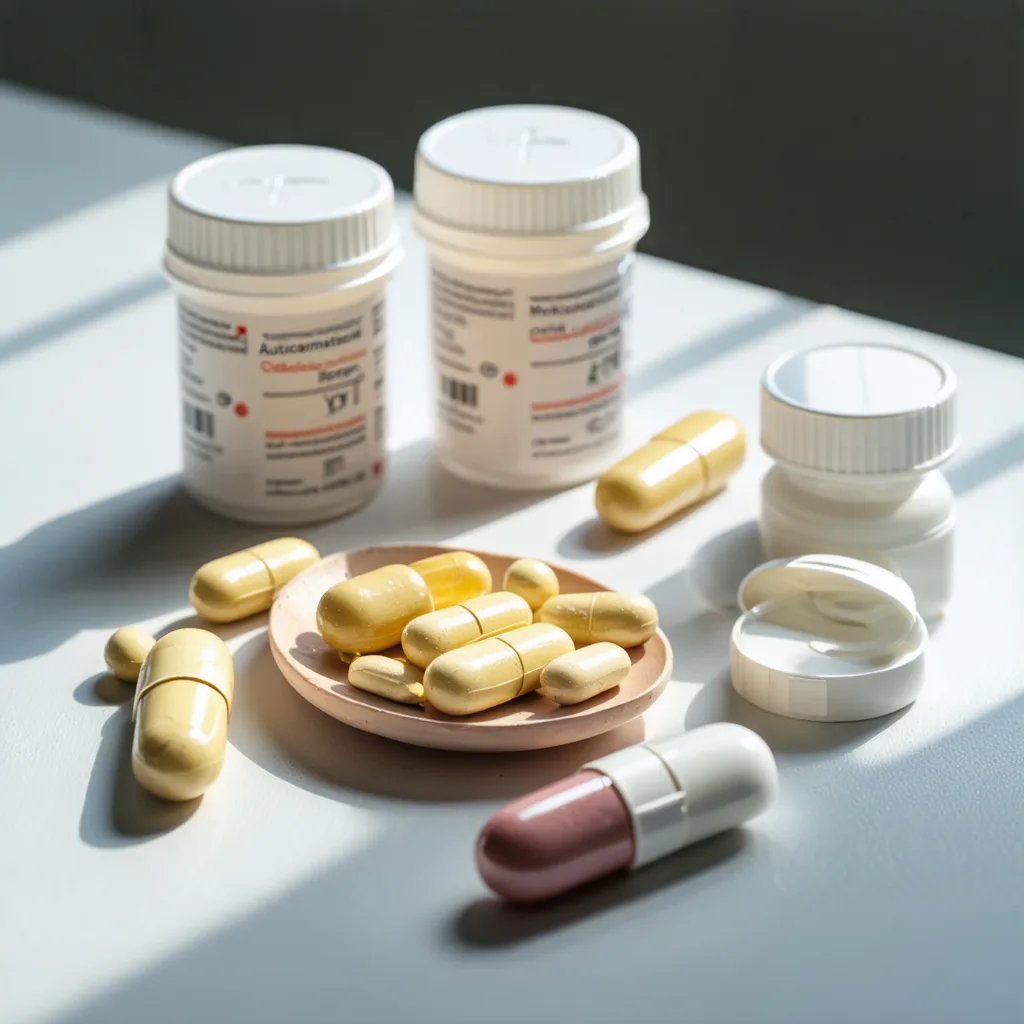
Taking medication without medical advice may seem harmless, but each year, thousands of people in France experience adverse effects related to self-medication. How can you navigate this practice safely and avoid common pitfalls?
Understanding Self-Medication: Definition and Key Issues
Self-medication involves using medicines, usually available without a prescription, to treat minor symptoms on your own. This practice is widespread, facilitated by easy access to pharmacies and the abundance of online advice, and nearly one in two French people self-medicate each year. It can improve daily comfort, but it is not without risks if not managed properly.
Self-medication is most often used for minor ailments: headaches, fever, digestive issues, or muscle pain. However, even over-the-counter medicines require careful use. Improper use can lead to complications, delay diagnosis, or cause drug interactions.
It is therefore essential to understand the basic rules before treating yourself, to enjoy the benefits of self-medication while minimizing potential risks.
What Are the Risks of Self-Medication?
Self-medication is not a risk-free practice. The main dangers include overuse of medicines, incorrect dosing, or confusion between different active ingredients. Drug interactions, whether with prescribed or non-prescribed medications, are also a frequent source of complications.
Certain groups are particularly vulnerable: children, pregnant women, the elderly, or people with chronic illnesses. For these individuals, adverse effects can be more severe, and self-medication should be approached with extra caution.
Risks also include masking symptoms of a more serious underlying illness, which can delay appropriate medical care. Finally, dependence on certain medications (such as painkillers or sleeping pills) remains a significant public health concern.
How to Use Medicines Safely When Self-Medicating?
To benefit from self-medication while limiting dangers, it is crucial to follow a few simple principles. Always read the leaflet before taking any medicine, even if you are already familiar with it. Pay attention to contraindications, possible side effects, and potential interactions with other treatments.
It is also important to respect the recommended dosage and duration of treatment. Never extend the use of a medicine beyond what is advised, even if symptoms persist. If in doubt, consult your pharmacist, who is a key resource for ensuring your safety.
- Never take a medicine prescribed for someone else.
- Keep medicines out of reach of children.
- Check the expiry date before each use.
- Avoid substances with unknown ingredients.
- Keep a record of medicines already taken to prevent overdosing.
When Should You Consult a Healthcare Professional?
It can be tempting to continue self-medicating in the hope of spontaneous improvement, but certain warning signs should prompt you to seek professional help. If symptoms persist for more than a few days, worsen, or are accompanied by unusual signs (such as high fever, shortness of breath, chest pain, or neurological symptoms), it is essential to consult a healthcare professional.
Similarly, if you are unsure about the nature of your symptoms, or if you are already on long-term medication, the advice of a doctor or pharmacist is indispensable to avoid interactions or complications.
Being proactive and not waiting for your health to deteriorate also helps prevent potentially serious consequences, especially for vulnerable individuals.
Common Mistakes to Avoid in Self-Medication
Even with caution, certain mistakes are frequent. One of the most common is assuming that a medicine effective for someone else will work for you. However, each body reacts differently, and contraindications are not universal.
Another frequent error is taking multiple medicines for the same symptom, such as using several painkillers at once. This increases the risk of overdose, particularly with paracetamol or ibuprofen, which are widely used but can be toxic in high doses.
Finally, self-medication should never replace a medical consultation in cases of chronic illness, high-risk situations, or uncertainty about the origin of symptoms.
How to Choose the Right Over-the-Counter Medicines?
Choosing a non-prescription medicine should always be done carefully. Favor products with proven efficacy and safety, and avoid combinations of multiple active ingredients unless clearly indicated.
Ask your pharmacist for advice to select the most appropriate medicine for your needs, especially if you are already on medication or have risk factors. Pharmacists can also inform you about non-drug alternatives, which can be just as effective for minor symptoms (such as rest, hydration, or lifestyle measures).
Take time to compare leaflets and weigh the expected benefits against potential side effects, and avoid self-diagnosis whenever possible.
FAQ: Your Questions About Self-Medication
Q: Can you give an over-the-counter medicine to a child without medical advice?
No, extra caution is required for children. Even for non-prescription medicines, dosages and indications vary by age and weight. Always consult a healthcare professional before giving any medicine to a child.
Q: Can self-medication interact with chronic treatments?
Yes, many drug interactions exist. It is essential to inform your pharmacist of all current treatments and seek advice before adding any medicine, even if it is available over the counter.
Q: Is self-medication recommended for pregnant women?
No, self-medication is strongly discouraged during pregnancy. Many medicines can pose risks to the fetus or affect the course of pregnancy. Always seek professional medical advice before taking any medicine while pregnant.
Q: Where can you find reliable information about over-the-counter medicines?
For reliable information, use official sources such as the official medicines portal or consult healthcare professionals. Avoid relying on forums or social networks, which may provide incomplete or incorrect advice.
Best Practices for Storing Medicines
Proper storage of medicines is often overlooked but is essential to ensure their effectiveness and safety. Always keep medicines in their original packaging, away from heat, humidity, and light. Poor storage can alter their properties and increase the risk of adverse effects.
Regularly check the contents of your medicine cabinet and return expired or unused medicines to the pharmacy for safe and environmentally responsible disposal.
Key Takeaways and Safety Tips
Key takeaway: Self-medication should remain an occasional and supervised solution. Follow your pharmacist’s advice, always read the leaflet, and consult a professional if you have any doubts or persistent symptoms.
Important note: This information is general and does not replace professional medical advice.