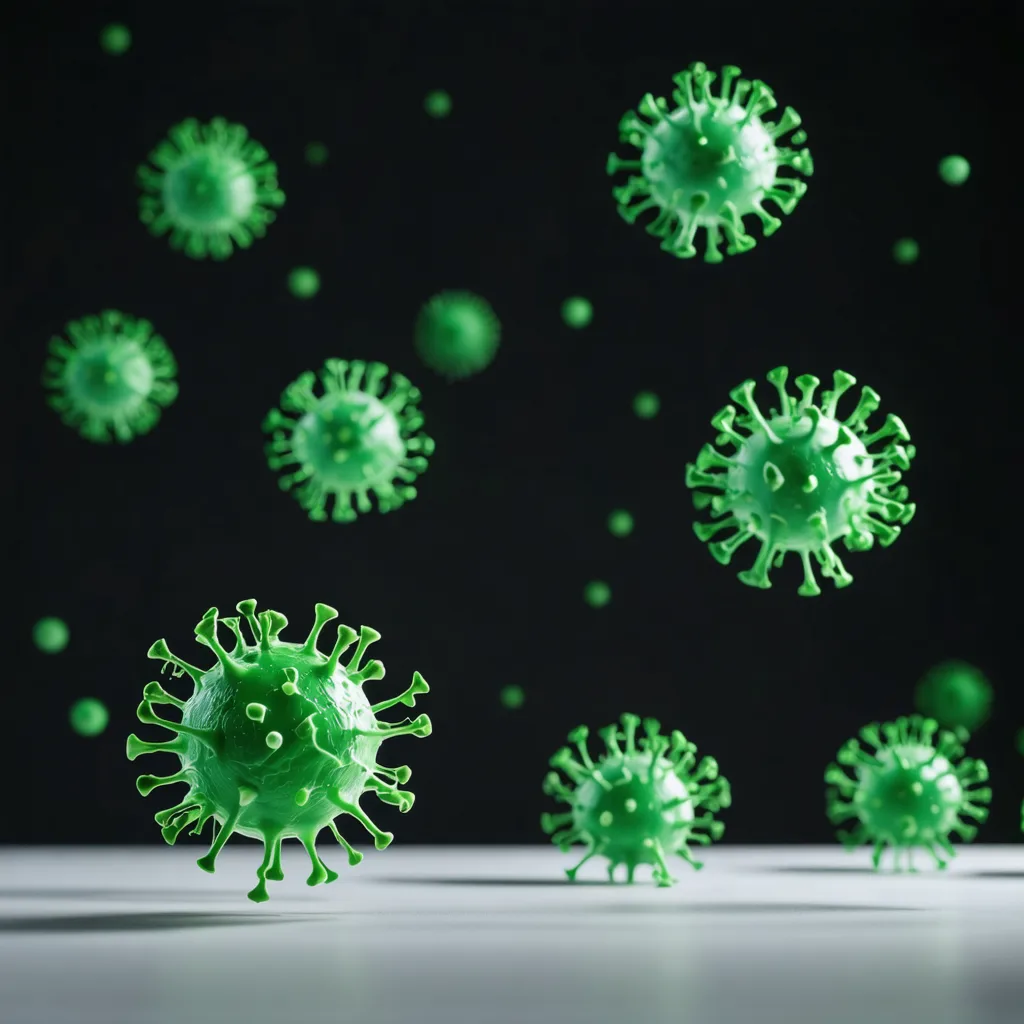
Do you really know whether a simple cold is caused by a virus or a bacterium? This distinction, often unclear, is crucial for effective prevention and the right treatment of infections in daily life.
Understanding the Fundamental Differences Between Viruses and Bacteria
Viruses and bacteria are microorganisms responsible for many common illnesses, but they differ greatly in their nature and how they function. Viruses are microscopic infectious agents that cannot reproduce on their own; they need to infect a host cell to multiply. Bacteria, on the other hand, are living unicellular organisms capable of reproducing independently. Some bacteria are harmless or even beneficial for our bodies (such as those in the microbiota), while others are pathogenic.
Why does this matter? Because the distinction directly impacts treatment: antibiotics are effective against bacteria but useless against viruses. Misusing antibiotics encourages the development of resistance, which is a major public health concern.
Flu, the common cold, and Covid-19 are caused by viruses. In contrast, strep throat, urinary tract infections, and some pneumonias can be bacterial in origin. It is sometimes difficult to tell the difference without medical advice, which is why prevention and proper diagnosis are so important.
How Are Infections Transmitted?
Viruses and bacteria are mainly transmitted through direct contact (handshakes, kisses), airborne droplets (from coughing or sneezing), or contaminated surfaces. Some infectious agents can survive for long periods on everyday objects, increasing the risk of spread, especially in public or family settings.
Viruses like rhinovirus (which causes the common cold) are easily spread through the air, while some bacteria, such as those responsible for gastroenteritis, can be found on contaminated food or in water. Close contact, poor hygiene, or frequenting crowded places (daycare, schools, public transport) all facilitate the circulation of these pathogens.
Following simple measures, such as regular handwashing, greatly reduces the transmission of most infections. Good respiratory hygiene (coughing or sneezing into your elbow, using disposable tissues) is also essential, especially during epidemic periods.
Preventing Infections: Key Habits and Vaccination
Prevention relies on universal barrier measures and, for some diseases, vaccination. Handwashing remains the most effective, simple, and affordable way to limit the spread of viral and bacterial infections. It should be done regularly, especially after being in public places, before eating, or after blowing your nose.
Vaccination protects against several viral infections (flu, measles, hepatitis B, Covid-19) and bacterial infections (diphtheria, whooping cough, pneumococcus, meningococcus). Vaccines work by stimulating the immune system to recognize and quickly neutralize the infectious agent. Staying up to date with your vaccinations is one of the best ways to protect yourself from potentially serious diseases.
Finally, adopting a healthy lifestyle (balanced diet, adequate sleep, regular physical activity) strengthens natural immune defenses, reducing the severity of infections.
- Wash your hands frequently with soap for at least 30 seconds
- Avoid touching your face (mouth, nose, eyes) with unwashed hands
- Limit contact with sick individuals
- Ventilate living and working spaces regularly
- Follow the recommended vaccination schedule
Why Don’t Antibiotics Work Against Viruses?
Antibiotics are medicines specifically designed to kill or stop the growth of bacteria. They have no effect on viruses, which lack their own cellular structure and use the body’s cells to multiply. Prescribing antibiotics for a viral infection is therefore pointless and even risky, as it exposes you to side effects and encourages the emergence of resistant bacteria.
In France, bacterial resistance is a growing problem: each year, several thousand deaths are linked to infections resistant to antibiotics. It is essential to take these medications only when prescribed by a doctor and to complete the full course of treatment, even if symptoms improve quickly.
To relieve symptoms of a viral infection (fever, headache, body aches), prioritize rest, good hydration, and, if necessary, appropriate painkillers or fever reducers. If you are unsure about the cause of an infection or if symptoms persist, consult a healthcare professional.
When to See a Doctor: Warning Signs
Most common viral or bacterial infections are mild and resolve on their own, but certain signs should prompt a quick medical consultation. Persistent high fever, difficulty breathing, severe pain, a general decline in condition, or the appearance of unusual skin rashes are all warning signals not to ignore.
For vulnerable people (infants, the elderly, pregnant women, immunocompromised patients), an infection can progress more rapidly to complications. It is crucial to be vigilant and seek medical advice without delay if in doubt.
A doctor can determine, through clinical questioning and sometimes additional tests (throat swab, urine analysis, X-ray), whether the infection is viral or bacterial and prescribe the appropriate treatment.
- Make an appointment if fever persists for more than 3 days
- Consult quickly if you experience breathing difficulties or severe pain
Boosting Your Immunity Every Day
The immune system is our best protection against infections. Its proper functioning depends on many factors: diet, sleep, physical activity, and stress management. Favoring a diet rich in fruits, vegetables, proteins, and trace elements helps provide the body with the nutrients needed to produce immune cells.
Sleep plays a key role in regenerating defenses: adults need an average of 7 to 8 hours per night. Regular physical activity stimulates blood circulation and helps immune cells reach infection sites. Chronic stress weakens immunity, so it is recommended to practice relaxing activities (meditation, yoga, hobbies).
Some dietary supplements may be helpful during periods of vulnerability, but they do not replace an overall healthy lifestyle. Before considering any supplementation, it is advisable to seek advice from your doctor or pharmacist.
Mini FAQ: Your Questions About Viruses, Bacteria, and Prevention
Q: Are there natural ways to tell a viral infection from a bacterial one?
It is not always possible to tell the difference on your own. Generally, viral infections start suddenly, with moderate fever, body aches, fatigue, and diffuse symptoms. Bacterial infections may cause higher fever, localized pain, or purulent discharge, but these signs are not specific. Only a healthcare professional can make a reliable diagnosis.
Q: Can probiotics help prevent some infections?
Probiotics, by strengthening the gut microbiota, can help limit the growth of pathogenic bacteria and support immunity. They are especially useful in preventing digestive issues after antibiotic treatment. However, their effectiveness depends on the strain used and does not replace standard hygiene and prevention measures.
Key takeaway: Knowing how to distinguish between viruses and bacteria helps you adopt the right habits every day: prevention, responsible use of antibiotics, and seeking medical advice when in doubt.
Important note: This information is general and does not replace professional medical advice.