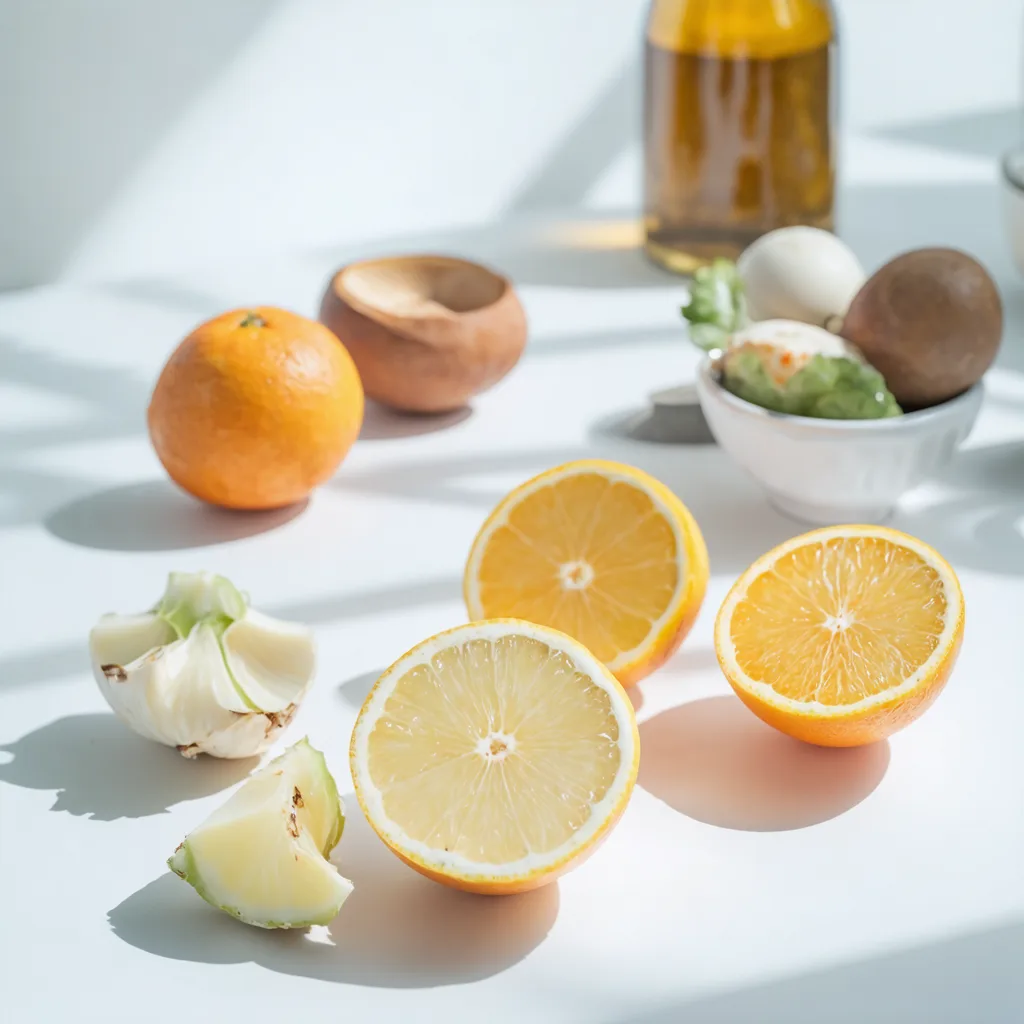
Do you suffer from recurring joint pain? Did you know that what you put on your plate can directly influence inflammation and the health of your joints? Exploring the connection between diet and joint well-being is essential for improving daily comfort and quality of life.
Understanding Joint Inflammation and Its Impact
Inflammation is the body's natural response to aggression, infection, or injury. When it comes to joints, inflammation often manifests as pain, redness, swelling, or restricted movement. Inflammatory joint diseases, such as arthritis or rheumatoid arthritis, are particularly affected by these processes.
Acute inflammation is generally beneficial and temporary, helping the body heal. However, when inflammation becomes chronic, it can lead to irreversible damage and worsen painful symptoms. Several factors influence the persistence of inflammation: genetic predispositions, lifestyle, excess weight, stress, and, notably, diet.
Certain foods can promote, reduce, or maintain this inflammatory process. Understanding these mechanisms is key to taking concrete action against joint pain.
Pro-Inflammatory Foods to Limit
The typical Western diet is often high in foods that can increase inflammation. The main culprits include:
- Refined sugars (pastries, sodas, candies)
- Trans fats (industrial margarines, fried foods, processed snacks)
- Excess red meat and processed meats
- Ultra-processed foods rich in additives
These foods cause oxidative stress and disrupt the balance of the gut microbiota, encouraging the production of inflammatory molecules. Excessive salt intake and a lack of dietary fiber also contribute to this vicious cycle.
Limiting these foods does not mean eliminating them entirely, but rather learning to consume them in moderation while favoring a more natural and varied diet.
Anti-Inflammatory Foods to Favor
Conversely, many foods are recognized for their anti-inflammatory effects and their contribution to joint health. Among these, the following stand out:
- Fatty fish (salmon, sardines, mackerel) rich in omega-3s
- Colorful fruits and vegetables, sources of antioxidants
- High-quality vegetable oils (rapeseed, walnut, olive)
- Spices: turmeric, ginger
- Nuts and seeds (walnuts, almonds, hazelnuts)
Omega-3s, found in fatty fish and certain oils, help limit the production of pro-inflammatory molecules. Antioxidants protect joint cells from free radicals that cause tissue damage. Prioritizing a plant-rich diet also provides fiber and essential micronutrients for optimal immune function.
Hydration is also important: drinking enough water supports tissue flexibility and helps eliminate metabolic waste products.
Adopting a Balanced Diet: Practical Tips
Changing eating habits may seem challenging, but a few simple steps can already help reduce joint inflammation:
- Increase the portion of fruits and vegetables at every meal
- Replace some red meat with fatty fish or legumes
- Choose whole grains and limit refined products
- Use vegetable oils rich in omega-3s
- Season dishes with anti-inflammatory spices
It is advisable to cook at home as much as possible to better control the quality and composition of meals. Dietary diversity is also a major asset for meeting all nutritional needs.
For those suffering from joint pain, keeping a food diary can help identify possible sensitivities or intolerances (such as dairy products or gluten) that may worsen inflammation.
Weight, Microbiota, and Joint Pain
Excess weight is an aggravating factor for joint pain: it increases pressure on weight-bearing joints (knees, hips) and contributes to ongoing inflammation. Losing weight gradually through an appropriate diet often leads to a significant reduction in symptoms.
The gut microbiota, the collection of microorganisms in the intestine, also plays a crucial role. An imbalanced microbiota promotes intestinal permeability and the passage of pro-inflammatory substances into the bloodstream. Consuming fermented foods (yogurt, kefir, unpasteurized sauerkraut) and prebiotic fibers (legumes, artichokes, leeks) helps maintain a healthy microbiota.
In cases of persistent pain, it is common for personalized dietary advice to be offered by a healthcare professional or a registered dietitian-nutritionist.
Focus on Specific Diets
Certain dietary patterns have been particularly studied for their impact on joint inflammation:
- The Mediterranean diet: rich in fruits, vegetables, fish, whole grains, olive oil, and low in red meat. It is recognized for its protective effects on both cardiovascular and joint health.
- The DASH diet: originally designed to combat hypertension, it also encourages the consumption of anti-inflammatory foods.
- The vegetarian or flexitarian diet: these limit animal products, which are often associated with increased inflammation, while increasing the intake of antioxidant-rich plant foods.
However, there is no universal “miracle” diet: the key is to choose a diet adapted to your needs and preferences, while ensuring nutritional balance.
Lifestyle and Synergy with Diet
Diet is only one aspect of managing joint pain. Other lifestyle pillars should be integrated to maximize beneficial effects:
- Regular physical activity adapted to your abilities
- Stress management, as stress can amplify inflammation
- Quality sleep, essential for recovery
The synergy between these factors creates a favorable environment for reducing pain and improving quality of life. It is important to consult a healthcare professional for personalized support, especially in cases of chronic conditions.
Supplements and Joint Health
In addition to dietary changes, some people consider supplements to support joint health. Omega-3 fatty acids from fish oil, vitamin D, and curcumin (the active compound in turmeric) are among the most studied for their anti-inflammatory properties. Glucosamine and chondroitin are also popular, though scientific evidence on their effectiveness is mixed. Before starting any supplement, it is essential to consult a healthcare provider to ensure safety and appropriateness for your individual situation.
Supplements should not replace a balanced diet, but may be considered as an adjunct in certain cases, especially if dietary intake is insufficient or if specific deficiencies are identified.
Social and Emotional Aspects of Eating
Eating habits are not only influenced by nutritional knowledge but also by social and emotional factors. Sharing meals with family or friends, enjoying the preparation of healthy recipes, and taking time to eat mindfully can all contribute to better adherence to an anti-inflammatory diet. Emotional well-being is closely linked to physical health, and stress or emotional distress can sometimes lead to unhealthy eating patterns that worsen inflammation. Seeking support from loved ones or professionals can help maintain motivation and foster positive changes.
Mini FAQ
Q: Which foods should be avoided first in case of joint pain?
It is recommended to limit refined sugars, ultra-processed foods, excess red meat, processed meats, and fried foods, all known for their pro-inflammatory effects.
Q: Is diet alone enough to relieve joint pain?
No, while diet is an important lever, it should be combined with other measures: physical activity, medical follow-up, and stress management for optimal results.
Q: Are there any specific drinks that can help reduce inflammation?
Yes, drinks such as green tea, herbal teas (like ginger or turmeric tea), and simply drinking enough water can support hydration and provide antioxidants that may help reduce inflammation. Avoiding sugary sodas and excessive alcohol is also beneficial for joint health.
Key takeaway: Adopting a diet rich in anti-inflammatory foods and limiting those that promote inflammation helps better manage joint pain on a daily basis.
Important note: This information is general and does not replace professional medical advice.