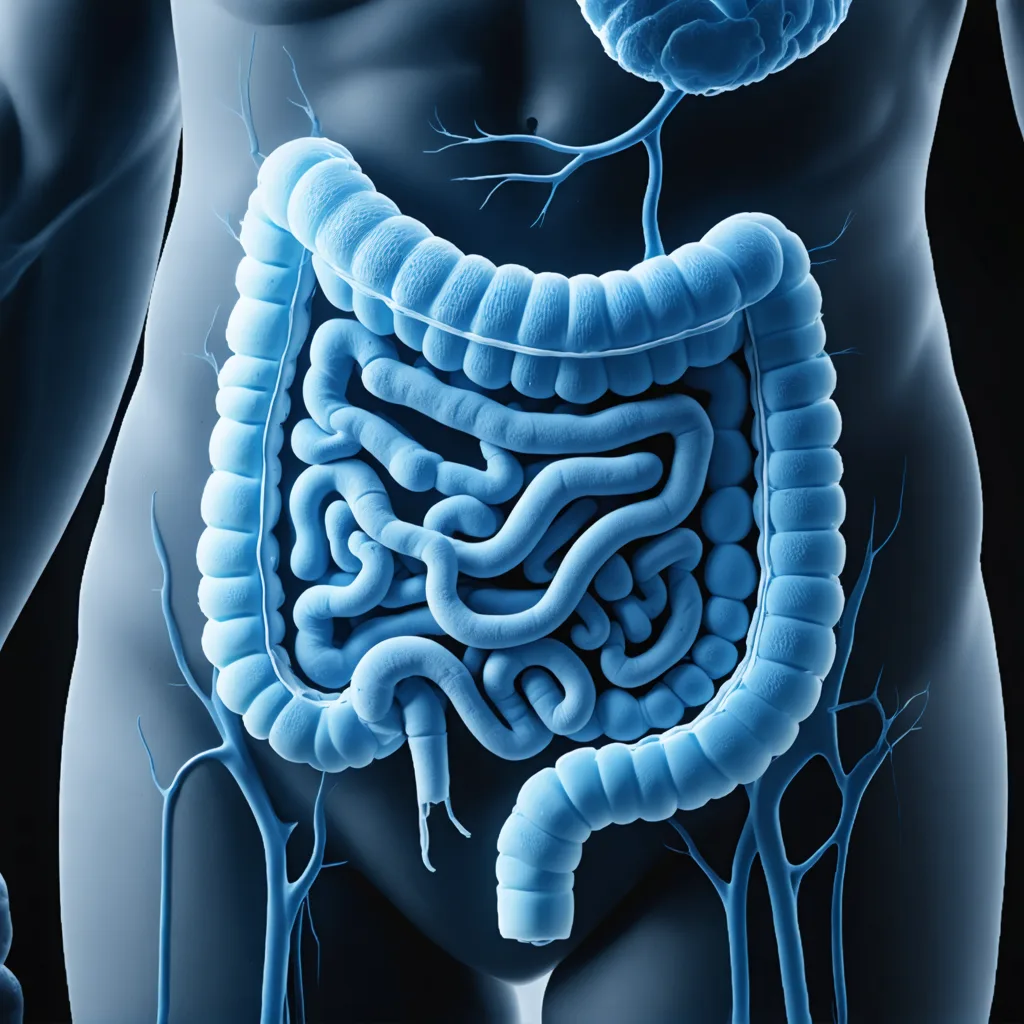
Did you know that over 100 trillion microorganisms inhabit your gut? This community, known as the gut microbiota or intestinal flora, plays a crucial role in digestion and overall health. Understanding how to care for it is now considered essential for maintaining your well-being.
What is the gut microbiota?
The gut microbiota refers to the collection of bacteria, viruses, yeasts, and other microorganisms living in our digestive tract, mainly in the colon. It forms a complex ecosystem that evolves throughout life, influenced by our diet, lifestyle, and even medical treatments.
The microbiota serves several functions: it helps digest certain foods that our bodies cannot break down alone, produces vitamins (such as vitamin K and some B vitamins), and protects the intestinal lining from harmful pathogens. Maintaining its balance is fundamental not only for proper digestion but also for overall health.
Recent research has highlighted the microbiota’s influence on the immune system, metabolism, and even the brain, a connection often referred to as the gut-brain axis. A depleted or imbalanced microbiota (a condition called dysbiosis) is linked to digestive disorders, as well as inflammatory and metabolic diseases.
Factors influencing microbiota balance
Diet is one of the main factors shaping the composition of the gut microbiota. A diet rich in fiber, fruits, vegetables, and fermented foods promotes bacterial diversity. In contrast, diets high in sugars, saturated fats, and ultra-processed foods tend to reduce this diversity.
Frequent or inappropriate use of antibiotics can weaken the microbiota by eliminating beneficial bacteria. Other factors such as chronic stress, sedentary lifestyle, lack of sleep, or excessive alcohol intake can also disrupt this balance.
Certain life stages—such as birth, breastfeeding, the introduction of solid foods, or old age—are key moments when the microbiota undergoes significant changes. Environmental factors, excessive hygiene, and exposure to some pollutants also play a role in microbial diversity.
Signs of an imbalanced microbiota: recognizing the symptoms
An imbalanced microbiota can manifest through various digestive symptoms: bloating, gas, abdominal pain, diarrhea, or constipation. But that’s not all. Mood disturbances, chronic fatigue, or skin problems may also be linked to alterations in the intestinal flora.
Chronic conditions such as irritable bowel syndrome, inflammatory bowel diseases (IBD), or even certain allergies are associated with changes in microbiota composition.
It is important to pay attention to these signals and consult a healthcare professional if symptoms persist. Specific tests may sometimes be recommended to assess the microbiota’s composition, but they are not always necessary.
How to preserve and strengthen your gut microbiota?
The good news is that there are several ways to support your microbiota’s health every day. Adopting a varied and balanced diet is the first step. Fiber (found in whole grains, legumes, fruits, and vegetables) is particularly appreciated by beneficial gut bacteria.
Fermented foods such as yogurt, kefir, raw sauerkraut, or miso naturally provide probiotics, which help enrich the microbiota’s diversity. Prebiotics, on the other hand, are specific fibers (found in foods like garlic, onions, leeks, and bananas) that serve as “food” for beneficial bacteria.
- Favor fiber-rich foods and limit ultra-processed products
- Regularly include fermented foods in your diet
- Limit antibiotic use to necessary situations and always follow medical advice
- Engage in regular physical activity, which benefits bacterial diversity
- Manage stress and ensure good sleep quality
Hydration also plays an important role in digestive transit and well-being. Finally, it is advisable to limit alcohol consumption and avoid smoking, as both can disrupt the intestinal flora.
Microbiota, immunity, and inflammation: a close connection
The gut microbiota acts as a true immune barrier. By stimulating the local immune system, it helps distinguish harmless microorganisms from pathogens. An imbalanced microbiota can promote chronic inflammation, which is involved in many modern diseases.
Several studies suggest that microbiota diversity protects against certain infections and autoimmune diseases. Research in this field is advancing rapidly, and new therapeutic approaches are emerging, including fecal microbiota transplants for specific indications.
Supporting a balanced microbiota also means supporting your immune system and reducing the risk of inflammatory or metabolic diseases. This close relationship between the gut and immunity explains the growing interest in digestive health as part of overall disease prevention.
When and how to seek medical advice for digestive issues?
If you regularly experience digestive problems (bloating, pain, diarrhea, or constipation), it is advisable to consult a doctor, especially if these symptoms persist or worsen. Certain warning signs—such as blood in the stool, unexplained weight loss, fever, or severe fatigue—should prompt immediate medical attention.
Your healthcare provider can assess your situation, recommend additional tests if necessary (such as blood tests, stool analysis, colonoscopy, etc.), and help you implement measures tailored to your needs. It is not recommended to start probiotic supplements without medical advice, as their effectiveness varies depending on the strain and indication.
Additionally, nutritional guidance from a dietitian can be helpful in adjusting your eating habits and supporting your microbiota’s health on a daily basis.
Mini FAQ: frequently asked questions about the gut microbiota
Q: Are probiotics beneficial for everyone?
Probiotics can be helpful in certain situations (after a course of antibiotics, for irritable bowel syndrome, etc.), but their effectiveness depends on the strain, dose, and duration. It is best to seek advice from a healthcare professional before taking them.
Q: Can you rebalance your microbiota through diet alone?
Eating a fiber-rich, varied diet and including fermented foods helps strengthen the intestinal flora. However, other factors such as stress, sleep, and physical activity also play important roles. A holistic approach to lifestyle is necessary to optimize microbiota balance.
Key takeaway: The gut microbiota is a valuable ally for digestion, immunity, and overall well-being. Maintaining its balance is an investment in your long-term health.
Important note: This information is for general purposes only and does not replace professional medical advice.