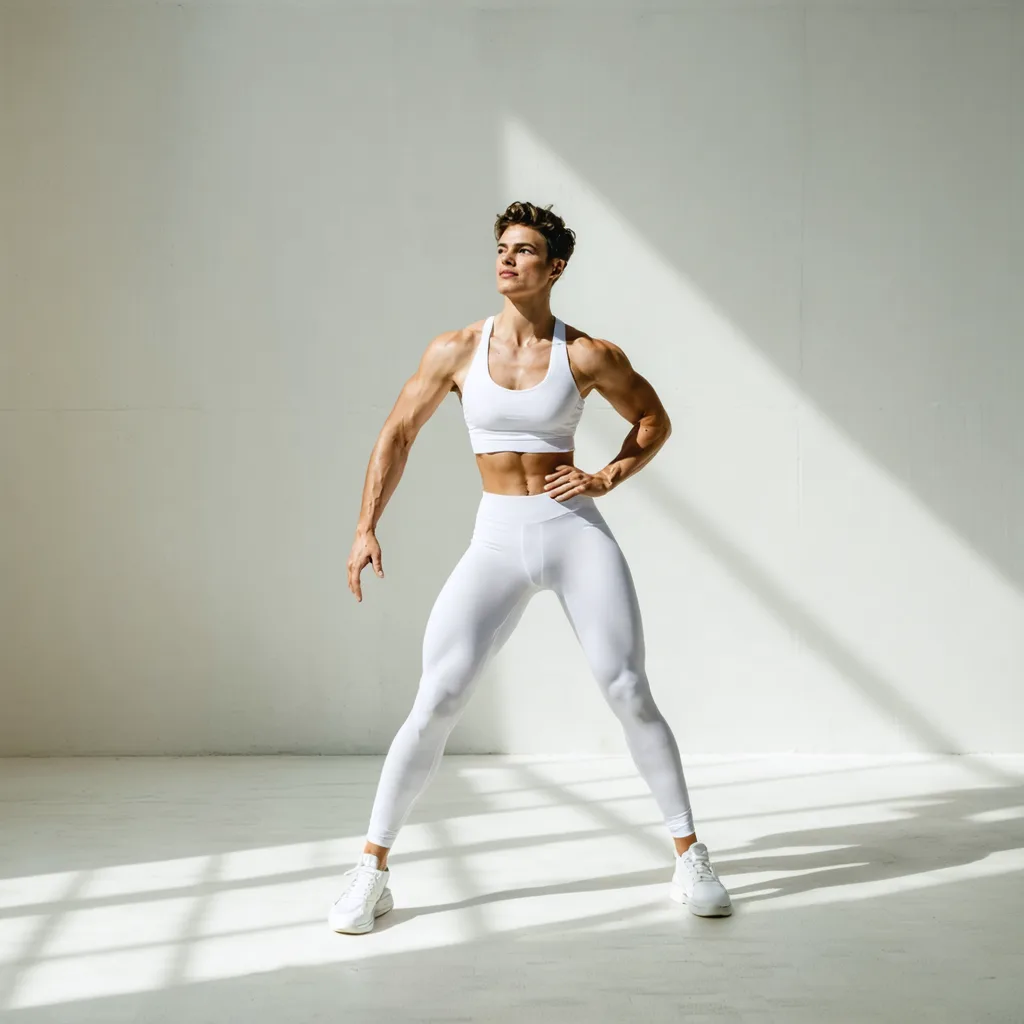
Are you dreaming of getting (back) into moving, but the idea of starting physical activity feels overwhelming? According to the WHO, nearly 30% of adults worldwide are not active enough, yet there are simple ways to incorporate movement into your life, even as a beginner.
Why Start Physical Activity? Proven Benefits
Engaging in regular physical activity, even at low intensity, offers numerous health benefits. Research shows that an active lifestyle significantly lowers the risk of chronic diseases such as type 2 diabetes, cardiovascular disease, and certain cancers. Physical activity also boosts mental health: it promotes the release of endorphins, reduces stress, and helps improve sleep quality.
Starting gently is essential to avoid injuries and to establish a sustainable routine. It is never too late to begin. Even short sessions have a positive impact on overall health. The key is to progress at your own pace and choose activities you genuinely enjoy.
Assessing Your Level and Setting Goals
Before you start, it’s important to assess your current physical condition. Do you have any medical history? Joint pain or specific limitations? If in doubt, consult a healthcare professional before beginning a new exercise program.
Next, set realistic and measurable goals. For example: “walk 30 minutes, three times a week” or “do a strength training session twice a week.” Clear, personalized goals increase motivation and make it easier to track your progress.
It’s also helpful to note your feelings, successes, and challenges. This allows you to adjust your program over time and stay motivated in the long run.
Choosing the Right Activities for Beginners
The choice of activity depends on your preferences, schedule, and health status. For beginners, opt for gentle and accessible activities: brisk walking, cycling, swimming, yoga, or gentle gymnastics. These activities engage the whole body without requiring significant technical skills.
Strength training exercises are also recommended, even without equipment. They help maintain muscle mass and improve balance, which are essential for preventing falls and injuries, especially as you age.
Varying activities helps prevent boredom and works different muscle groups. Ideally, alternate between endurance activities (walking, cycling) and strength exercises (planks, squats, knee push-ups).
Building a Progressive and Safe Program
A beginner-friendly program should be progressive, meaning you gradually increase the intensity and duration of your sessions. Start with two to three weekly sessions of 20 to 30 minutes, then slowly work up to the WHO recommendations: at least 150 minutes of moderate activity per week.
The key is to listen to your body. If you experience unusual fatigue, persistent pain, or significant shortness of breath, slow down and allow yourself time to recover. Warming up and cooling down are essential: they prepare your body for effort and help with muscle recovery.
Here’s an example of a beginner’s progression:
- Weeks 1-2: 2 sessions of 20 minutes of brisk walking
- Weeks 3-4: 3 sessions of 25 minutes, adding 10 minutes of strength training
- Weeks 5-6: 3 to 4 sessions of 30 minutes, alternating endurance and gentle strength exercises
Practical Tips to Stay Motivated and Avoid Injuries
- Wear comfortable clothing and choose good shoes suited to your activity
- Set a fixed time slot each week to establish a routine
- Prioritize consistency over performance or excessive intensity
- Don’t hesitate to exercise with a group or a friend to boost motivation
- Stay hydrated before, during, and after exercise
Another important tip: listen to your body. The goal is to feel better, not to push yourself to the limit. If an activity becomes painful or causes discomfort, adapt it or try something new.
Remember to celebrate your progress, even small ones. Congratulating yourself after each session helps build self-esteem and keeps you motivated to continue.
Adapting Your Program as You Progress
Over the weeks, your body adapts to physical activity: endurance improves, muscles strengthen, and self-confidence grows. To keep progressing, it can be helpful to vary the intensity, duration, or type of activity you do.
If you hit a plateau or feel bored, introduce new exercises or join a group class. The important thing is to maintain enjoyment and curiosity while respecting your limits.
If you have to stop temporarily (due to illness, holidays, or unexpected events), resume gradually, without guilt. Physical activity should remain a source of well-being, not pressure.
How to Track Your Progress Effectively
Monitoring your progress is a powerful motivator. Consider keeping a simple exercise journal where you record the type of activity, duration, and how you felt after each session. This can help you identify patterns, celebrate improvements, and notice when it’s time to increase the challenge. There are also many free apps and online tools that can help you track your workouts and set reminders. If you prefer, use a calendar to mark your exercise days and visually see your consistency over time.
Tracking progress isn’t just about numbers. Pay attention to non-scale victories, such as climbing stairs more easily, feeling less out of breath, or having more energy throughout the day. These small wins are just as important as any physical changes and can keep you motivated to continue.
Common Barriers and How to Overcome Them
Many beginners face obstacles such as lack of time, motivation, or confidence. To overcome time constraints, try breaking activity into shorter sessions throughout the day—three 10-minute walks are as effective as one 30-minute session. If motivation is low, set up rewards for meeting your goals or find an accountability partner. For those who feel self-conscious, remember that everyone starts somewhere, and most people are focused on their own journey. Choose environments where you feel comfortable, whether it’s at home, outdoors, or in a beginner-friendly class.
Mini FAQ
Q: Do I need special equipment to start exercising?
No, most beginner activities (walking, bodyweight strength training, yoga) require no special equipment. Comfortable clothes and good shoes are enough to start safely.
Q: How long does it take to feel the first benefits of physical activity?
Benefits appear quickly: improved mood, better sleep quality, and increased energy can be felt after a few weeks of regular practice. Cardiovascular health and muscle tone improvements become more noticeable after one to three months.
Q: Where can I find reliable resources for beginner workouts?
Many reputable organizations, such as the CDC and WHO, offer free guides and tips for safe, beginner-friendly exercise routines. You can also look for certified trainers or local community programs for additional support.
Key takeaway: Creating a beginner-friendly exercise program is about gradual progress, listening to your body, and enjoying the process. Every step counts on the path to well-being.
Important note: This information is general and does not replace professional medical advice.