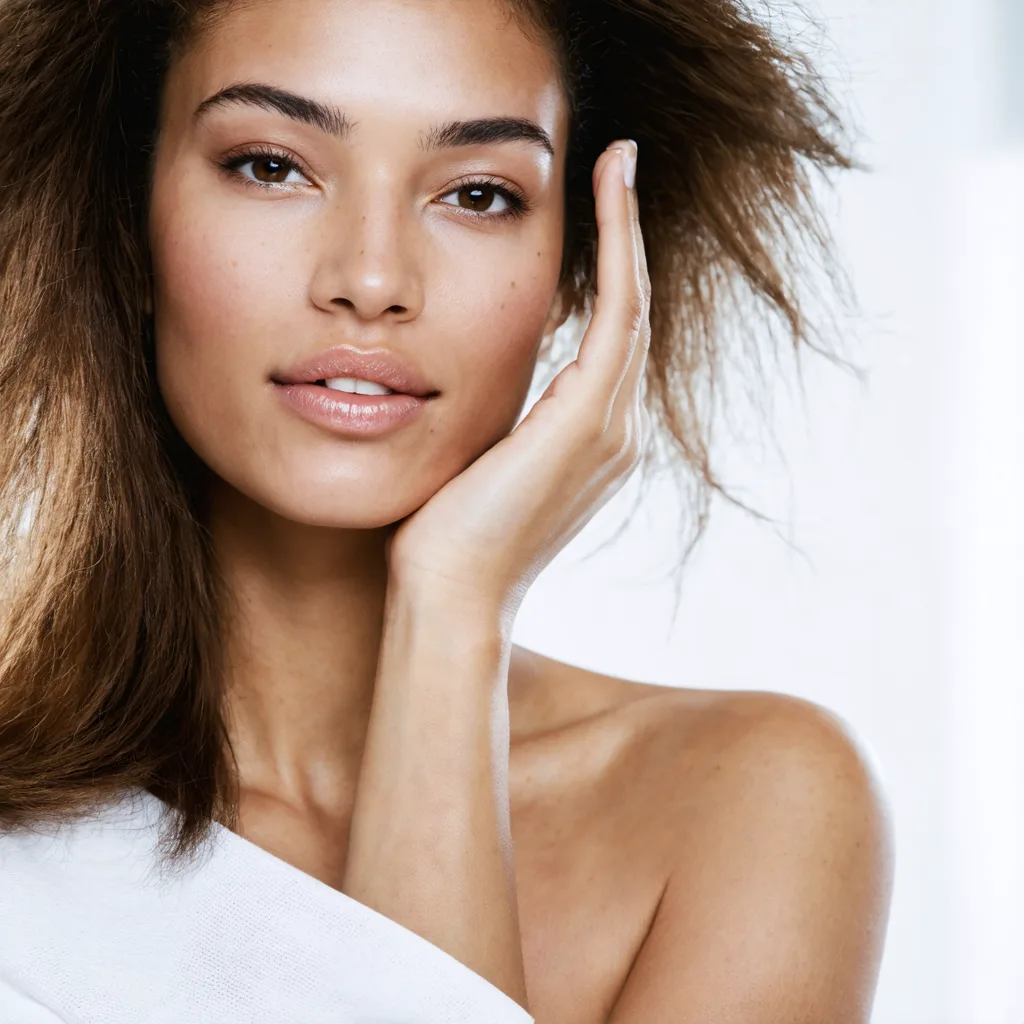
Did you know that what you put on your plate often shows up on your face and in your hair? Nutrition plays a crucial role in the beauty of your skin and the vitality of your hair, far beyond the effects of daily cosmetic care.
Nutrition: A Key Player in Skin and Hair Health
Skin and hair are among the first to suffer from an unbalanced or nutrient-deficient diet. Essential nutrients such as vitamins, minerals, and fatty acids are actively involved in cellular regeneration and protection against external aggressors. A lack of certain elements, like vitamin C or zinc, can lead to signs of skin fatigue, hair loss, or a dull complexion.
On the other hand, adopting a suitable diet helps strengthen the skin barrier, limit excessive sebum or dandruff production, and preserve skin elasticity. Hair becomes shinier and stronger, while the complexion remains fresh and radiant.
It is therefore essential to view beauty as a reflection of overall nutritional balance and to pay close attention to the quality of your diet.
Key Nutrients for Radiant Skin
Certain nutrients are particularly beneficial for maintaining healthy skin. Vitamin A, found in carrots, spinach, and sweet potatoes, supports cell regeneration and healing. Vitamin C, present in citrus fruits, kiwi, and bell peppers, stimulates collagen production—a structural protein of the skin—and protects against free radicals responsible for premature aging.
Omega-3 fatty acids, abundant in fatty fish (salmon, sardines, mackerel) and some oils (rapeseed, walnut), help maintain optimal hydration and reduce skin inflammation. Zinc and selenium are also essential for regulating sebum production and preventing blemishes.
By favoring a diet rich in fruits, fresh vegetables, high-quality vegetable oils, and lean protein sources, you provide your skin with the tools it needs to defend itself and glow.
- Include at least five servings of varied fruits and vegetables every day
- Choose fatty fish twice a week
- Limit fast sugars and ultra-processed foods
Healthy Hair: The Nutritional Inputs to Prioritize
Hair health is strongly influenced by specific nutritional intakes. Proteins are indispensable, as keratin—the main component of hair—is a protein. Opt for eggs, legumes, fish, and poultry to ensure adequate intake.
Iron, found in red meat, fish, lentils, and spinach, helps prevent hair loss and improves hair strength. B vitamins, especially biotin (B8) and B12, support hair growth and contribute to scalp health. Finally, essential fatty acids protect the hair fiber and prevent dryness.
To enhance your hair’s beauty through nutrition, consider:
- Consuming protein sources at every meal
- Choosing whole grains, rich in B vitamins
- Adding nuts (walnuts, almonds) for their fatty acids and minerals
Foods to Limit for Preserving Skin and Hair Beauty
Certain foods can, on the contrary, dull the natural glow of your skin and weaken your hair. Excess fast sugars and ultra-processed products promote inflammation and oxidative stress, both of which contribute to premature aging. Excessive dairy consumption in some individuals may worsen skin problems, particularly acne.
Saturated fats and fried foods should be consumed in moderation, as they affect sebum production and can worsen skin imbalances. Finally, excess alcohol and caffeine dehydrate the skin and weaken hair, while also impairing microcirculation.
It is not necessary to completely eliminate these foods, but rather to maintain balance and favor gentle cooking methods (steaming, en papillote) and raw, unprocessed products.
The Importance of Hydration
Water is a fundamental ally for skin and hair beauty. It supports cell renewal, toxin elimination, and the maintenance of skin elasticity. Insufficient hydration often results in a dull complexion, tight skin, and brittle hair.
It is recommended to drink at least 1.5 to 2 liters of water per day, adjusting according to individual needs (physical activity, temperature, age). Herbal teas, broths, or infused waters can supplement your intake.
Also, try to limit sugary or alcoholic beverages, which have a dehydrating effect. At the same time, water-rich fruits and vegetables (cucumber, watermelon, tomato) contribute to your daily hydration.
Adapting Your Diet to Age and Specific Needs
Nutritional needs change throughout life, directly influencing the condition of skin and hair. During adolescence, excess sebum and the appearance of blemishes require increased intake of zinc, vitamin A, and B6. In adulthood, the focus shifts to preventing skin aging by emphasizing antioxidants (vitamins C and E, polyphenols), found in berries, green tea, or pure cocoa.
For seniors, the skin naturally loses elasticity and hair may become thinner. It then becomes essential to ensure a diet rich in proteins, iron, and omega-3s to preserve skin and hair health. Needs for hydration and vitamins D and B12 are also higher.
Special situations, such as pregnancy or stress, also alter nutritional requirements. Personalized support from a healthcare professional or dietitian can be invaluable in these cases.
Mini FAQ: Your Questions About Nutrition and Skin/Hair Beauty
Q: Are dietary supplements essential for beautiful skin and hair?
In most cases, a varied and balanced diet is sufficient to meet the nutritional needs for healthy skin and hair. Supplements may be helpful in cases of proven deficiencies, but they do not replace a quality diet. It is advisable to seek medical advice before starting any supplementation.
Q: Can certain foods really cause acne or contribute to hair loss?
Some foods, especially those high in fast sugars or ultra-processed products, can increase inflammation and trigger skin problems in sensitive individuals. Similarly, deficiencies in iron or B vitamins can contribute to hair loss. Adjusting your diet to your individual needs generally helps improve these conditions.
Key takeaway: A varied diet, rich in essential nutrients and paired with proper hydration, is the key to glowing skin and healthy hair.
Important note: This information is for general purposes and does not replace professional medical advice.