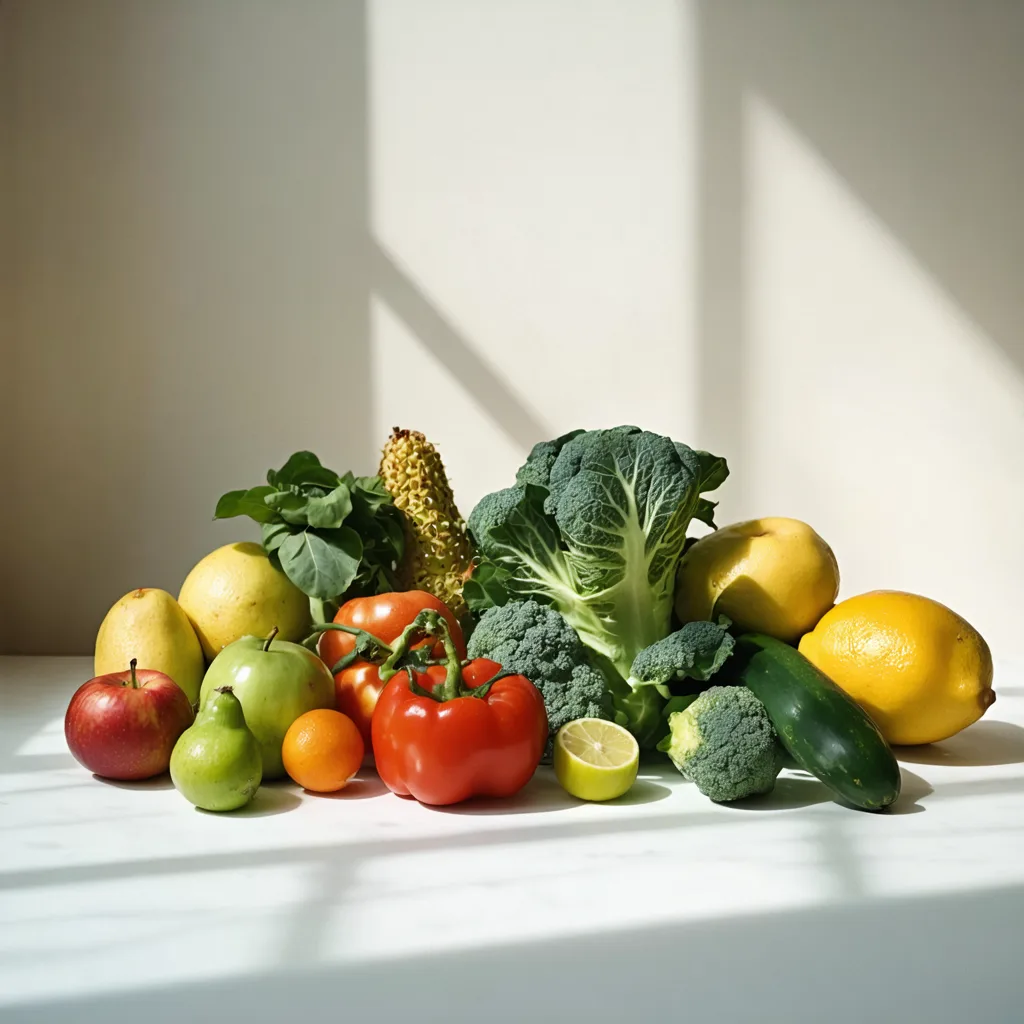
Did you know that fewer than one in three people in France eat the recommended five servings of fruits and vegetables each day? Yet these foods are essential for overall health and well-being. Why are they so important, and how can you easily include more of them in your daily routine?
The Proven Benefits of Fresh Fruits and Vegetables
Fresh fruits and vegetables are at the core of nutritional guidelines for a balanced diet. They provide a wide range of vitamins, minerals, and fibers that are vital for the body’s proper functioning. Research shows that regular consumption reduces the risk of chronic diseases such as cardiovascular disease, certain cancers, and type 2 diabetes.
Rich in antioxidants, fruits and vegetables help combat oxidative stress and support a strong immune system. The fiber they contain improves digestion and promotes a feeling of fullness, which can help with weight management.
Additionally, their low energy density means you can eat generous portions without consuming too many calories, helping to prevent overweight and obesity.
Which Fruits and Vegetables Should You Choose?
To get the full range of nutrients, it’s best to vary the types of fruits and vegetables you eat. Choose seasonal produce, which is often tastier and richer in micronutrients. Green vegetables (like spinach, broccoli, green beans), colorful vegetables (such as carrots, peppers, beets), and berries are particularly valuable for their vitamin and antioxidant content.
Fruits that are eaten raw, like apples or kiwis, retain their vitamins better. Vegetables can be enjoyed raw or cooked—try different preparation methods to preserve their nutritional qualities as much as possible.
Don’t forget to include legumes (lentils, chickpeas, dried beans), which are part of the vegetable family and provide plant-based protein.
How to Easily Increase Your Daily Intake?
Adding more fruits and vegetables to your diet doesn’t require drastic changes. It’s mainly about adopting a few simple habits: plan for a serving at every meal, vary your preparations, and always keep fruit handy for snacks.
Add raw vegetables or a salad as a starter, mix chopped vegetables into pasta dishes, omelets, or sandwiches. For dessert, opt for a fruit salad or a fresh piece of fruit instead of an industrial pastry.
- Prepare vegetable sticks in advance for healthy snacks.
- Add chopped fruit to your breakfast cereal.
- Try homemade smoothies with a mix of fruits and vegetables.
- Replace part of the starches in your main dishes with vegetables.
- Use fresh herbs to enhance the flavor of your recipes.
Overcoming Barriers to Eating More Fruits and Vegetables
Many people cite lack of time, cost, or the effort involved in preparation as obstacles to eating more fresh fruits and vegetables. However, there are practical solutions to overcome these challenges.
Frozen or canned products (without added salt) are a convenient alternative when fresh produce isn’t available. They retain most of their nutritional properties and are quick to prepare.
To manage your budget, buy in bulk, shop at local markets, or choose short supply chains. Local produce baskets can offer a variety of fresh items at lower cost. Finally, involving the whole family in meal preparation can turn cooking into a fun and social activity.
Fruits and Vegetables: Focus on Quality and Safety
The quality of produce is important to fully benefit from its health properties. Wash fruits and vegetables thoroughly before eating, even if they are organic. Peel them if necessary to reduce exposure to pesticide residues.
Favor local and seasonal products, which are often less treated and more affordable. If possible, diversify your sources: markets, producer associations, organic stores.
For children, it’s recommended to introduce a variety of flavors and textures early on to encourage acceptance of these foods over time. Involve them in choosing and preparing fruits and vegetables—they’ll be more likely to try new ones.
Practical Tips to Meet Recommendations
Public health authorities recommend eating at least five servings of fruits and vegetables per day, or about 400 to 500 grams. But what does this look like in practice?
One serving is roughly the size of a fist or a handful. For example, one apple, two apricots, or half a plate of cooked vegetables each count as a serving. Vary colors and shapes to enjoy a wide range of nutrients and keep meals interesting.
- Include at least two different vegetables in every main dish.
- Take a fresh fruit with you for your afternoon break.
- Make homemade soups or purees in winter.
- Try vegetarian recipes once or twice a week.
- Prepare a mixed salad for meals on the go.
Mini FAQ: Common Questions About Fruits and Vegetables
Q: Do fruit juices count toward the recommended servings?
Fruit juices, even when fresh, do not fully replace a whole fruit, as they are usually lower in fiber and higher in sugar concentration. It’s better to eat whole fruit. A small glass of pure juice can count as one serving, but no more than once a day.
Q: Are organic fruits and vegetables healthier?
Organic fruits and vegetables generally contain fewer pesticide residues. Their vitamin and mineral content is overall similar to that of conventional produce. The most important thing is to increase your total intake of fruits and vegetables, regardless of their origin.
How Fruits and Vegetables Support Mental Well-being
In addition to physical health, eating a variety of fruits and vegetables can also benefit your mental well-being. Studies have found that people who consume more fruits and vegetables tend to report higher levels of happiness and lower rates of depression and anxiety. This may be due to the presence of certain micronutrients, such as folate, vitamin C, and magnesium, which play a role in brain function and mood regulation. Including a colorful assortment of produce in your meals can help support not only your body but also your mind.
Smart Shopping and Storage Tips
To make it easier to eat more fruits and vegetables, plan your shopping trips with a list focused on seasonal produce. When you get home, wash and cut some of your fruits and vegetables in advance and store them in clear containers at eye level in the fridge. This makes healthy choices more accessible when you’re hungry or in a hurry. If you have limited time during the week, consider batch-preparing salads, soups, or roasted vegetables that can be enjoyed over several days. Remember, even small changes in your routine can lead to big improvements in your overall intake.
Get Creative in the Kitchen
Experimenting with new recipes and cooking methods can make eating fruits and vegetables more enjoyable. Try grilling vegetables for extra flavor, roasting root vegetables for natural sweetness, or adding fruit to savory dishes for a fresh twist. You can also blend vegetables into sauces or soups to increase your intake without even noticing. For families, making fruit kabobs or vegetable pizzas can be a fun way to involve children and encourage them to try new foods. The more creative you are, the more likely you are to stick with healthy habits.
Key takeaway: Eating a variety of fruits and vegetables every day supports good health, helps prevent many diseases, and brings color and enjoyment to your meals.
Important note: This information is general and does not replace professional medical advice.