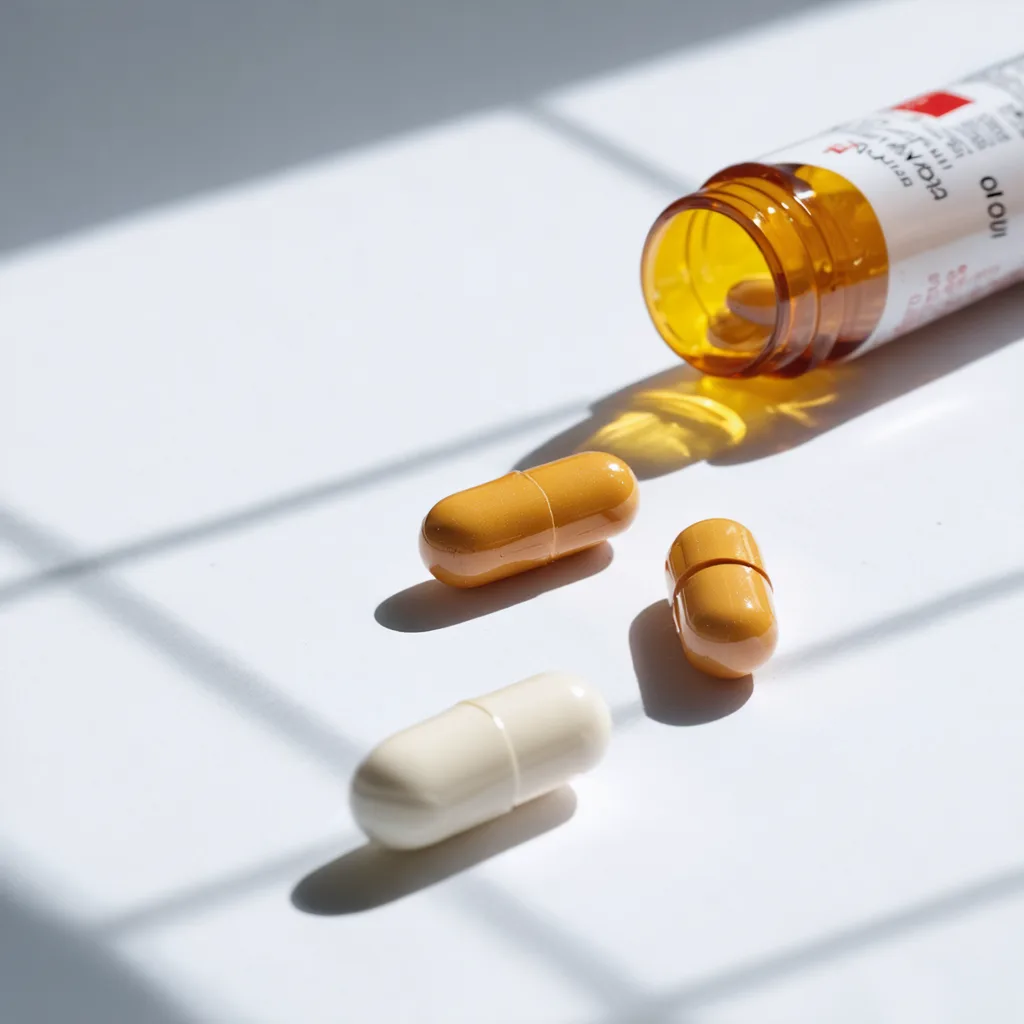
Do you reach for an over-the-counter medicine to relieve a headache or allergy? Did you know that even a single tablet can cause unexpected side effects? Many people still underestimate these risks in their daily lives.
Why Side Effects of Self-Medication Are Often Underestimated
Self-medication is increasingly common in France, encouraged by the easy access to non-prescription drugs. However, every medication, no matter how common, can trigger adverse reactions. Ignoring potential side effects exposes you to avoidable complications and poor symptom management.
Many users believe that medicines available without a prescription are completely safe. Yet, package leaflets warn about possible headaches, digestive issues, or skin reactions. Lack of awareness of these warning signs hinders early detection of incidents.
Older adults, pregnant women, and children are particularly vulnerable to side effects, even with medications considered mild. It is therefore essential to always seek information before taking any medicine.
What Are the Most Common Side Effects During Self-Medication?
Side effects vary depending on the medication used, the dose taken, and individual sensitivity. The most frequent reactions include:
- Digestive disorders: nausea, vomiting, abdominal pain, diarrhea, or constipation.
- Allergic reactions: skin rashes, itching, swelling.
- Neurological issues: headaches, dizziness, drowsiness, or insomnia.
- Cardiovascular problems: rapid heartbeat, palpitations, increased blood pressure.
- Liver or kidney disorders in cases of overdose or repeated use.
Painkillers (paracetamol, ibuprofen), antihistamines, and some cough syrups are particularly associated with these effects. Even if often temporary, they should never be ignored, especially with prolonged or combined use.
A side effect may appear after the first dose or only after several days of use. Careful monitoring of unusual signs is crucial for a prompt response.
How to Recognize a Side Effect: Warning Signs to Watch For
Recognizing a side effect is not always straightforward, as some symptoms may be confused with those of the condition being treated. It is therefore recommended to stay alert to:
- A new, unusual, or unusually intense symptom (e.g., a rash after taking a medicine).
- Persistence or worsening of a problem despite taking the medication.
- The appearance of several unexplained symptoms (fever, pain, severe fatigue).
- Breathing difficulties, swelling, or trouble swallowing, which may indicate a serious allergic reaction.
Always consult the package leaflet to identify listed side effects and compare them with your symptoms. Consider keeping a symptom diary to note the onset and progression of any suspicious signs.
If in doubt or in the event of a severe reaction, it is recommended to consult a healthcare professional without delay. Some side effects, such as liver disorders, can be silent and only appear after prolonged use or overdose.
What to Do If You Suspect a Side Effect? The Right Steps to Take
If you suspect a side effect while self-medicating, it is important to follow a methodical approach:
- Stop taking the suspected medication immediately, unless otherwise advised by a professional.
- Record your symptoms precisely, including the time of onset and their evolution.
- Read the leaflet, especially the "Adverse Effects" section.
- Contact your pharmacist or doctor to assess the situation.
- In case of a severe reaction (difficulty breathing, swelling, fainting), call 15 or 112.
Do not take another medicine to mask or compensate for the side effect without medical advice. Some interactions can worsen the situation.
Reporting adverse effects is a civic act. You can report any suspected side effect on the website signalement.social-sante.gouv.fr. This helps improve medication safety for everyone.
Preventing Side Effects: Practical Tips for Responsible Self-Medication
Preventing side effects starts with informed and cautious self-medication. A few simple tips can help reduce risks:
- Read the leaflet carefully, especially contraindications, precautions for use, and side effects.
- Strictly follow the recommended dosage and treatment duration.
- Do not combine several medicines without medical advice, especially if you have chronic conditions or ongoing treatments.
- Inform your pharmacist of any history of allergies or previous adverse effects.
- Avoid self-medicating in children, pregnant or breastfeeding women, the elderly, or those with chronic diseases without professional advice.
An open dialogue with your pharmacist is essential to receive personalized recommendations and ensure safe self-medication. Always keep the medicine box and leaflet handy to facilitate identification in case of a problem.
Finally, never extend a treatment without a valid reason and do not share your medicines with others, even if their symptoms seem similar.
Side Effects and Interactions: An Often Underestimated Issue
Drug interactions are a frequent source of adverse effects during self-medication. Taking several active substances at the same time, even those from plants or dietary supplements, can amplify or alter a medicine’s effects.
For example, combining non-steroidal anti-inflammatory drugs (NSAIDs) with certain anticoagulants or antihypertensives can increase the risk of bleeding or kidney problems. Antihistamines can enhance drowsiness when taken with alcohol or other sedatives.
Before starting any new medicine, inform your pharmacist of all products you use, including regular treatments, self-medication, herbal remedies, or supplements. This helps avoid unnecessary complications.
- Never change the dose without professional advice.
- Check the compatibility of medicines, especially if you have a chronic condition.
Mini FAQ: Your Questions About Side Effects Related to Self-Medication
Q: Can I continue taking an over-the-counter medicine if I experienced a mild side effect the first time?
It is not recommended to continue without medical advice, even if the symptom is mild. Some side effects can worsen with repeated use and may require a change in treatment.
Q: Is it possible to prevent all adverse effects when self-medicating?
It is difficult to guarantee the complete absence of adverse reactions, even when following recommendations. However, vigilance, careful reading of leaflets, and consulting your pharmacist can significantly reduce the risks.
Key takeaway: Identifying, preventing, and responding to side effects is essential for responsible and safe self-medication. Vigilance and communication with a professional are your best allies.
Important note: This information is general and does not replace professional medical advice.