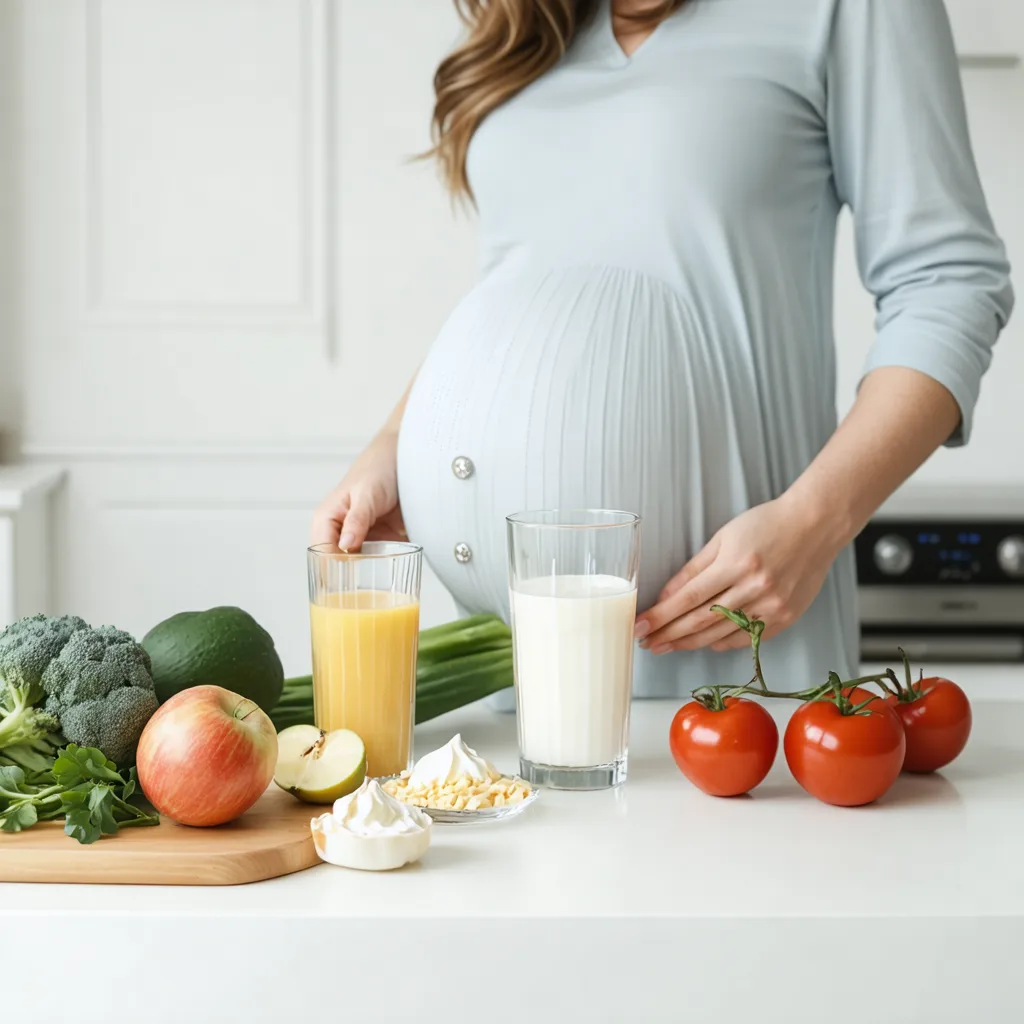
Are you expecting a baby and wondering which foods you should prioritize each day? Did you know that a well-adapted diet during pregnancy can have a lasting impact on your baby’s health? The choices you make now can influence your child’s development and well-being for years to come.
Why is nutrition crucial during pregnancy?
Pregnancy is a time of profound physiological changes. The diet of a pregnant woman plays a decisive role in fetal development, the prevention of complications, and the mother’s overall well-being. Nutritional needs increase during this period, and certain nutrients become especially important, such as iron, calcium, and folic acid. Eating a balanced diet also helps reduce the risk of gestational diabetes and hypertension.
It’s not about “eating for two,” but rather about eating twice as well. The focus should be on the nutritional quality of your intake, maintaining a balance between macronutrients and micronutrients. Good eating habits also help prevent fatigue and support healthy weight gain throughout pregnancy.
Moreover, your diet has a direct impact on your baby’s growth, organ formation, and nutrient reserves for the first months of life. That’s why it’s essential to adopt healthy habits as early as possible, ideally even before conception.
Essential nutrients to prioritize
Folic acid, or vitamin B9, is vital from the first trimester to prevent neural tube defects. It is found in leafy green vegetables, lentils, chickpeas, and some fruits. Health professionals often recommend supplementation to ensure adequate intake.
Iron helps prevent anemia, which is common during pregnancy. Needs increase significantly, especially in the second and third trimesters. Animal sources (red meat, organ meats) are well absorbed, but plant-based sources (lentils, spinach) can also contribute, especially when paired with vitamin C to boost absorption.
Calcium is necessary for your baby’s bone development. It is present in dairy products, certain mineral waters, almonds, and green vegetables. Vitamin D enhances calcium absorption: moderate sun exposure and foods like oily fish or eggs are recommended.
How to plan your daily meals?
A balanced diet during pregnancy is based on variety. It is recommended to spread your intake over three main meals and one or two snacks if needed. Each meal should include:
- Fresh or cooked vegetables, rich in fiber and vitamins
- A source of protein (lean meat, fish, eggs, legumes)
- Whole grains for energy (wholemeal bread, brown rice, quinoa)
- A small amount of quality fat (olive oil, rapeseed oil, walnuts)
- A dairy product or a calcium-fortified alternative
Fresh fruits are preferred for their fiber and antioxidant content. Staying well hydrated is also essential—drink at least 1.5 to 2 liters of water per day. Sugary drinks should be limited.
Food preparation must be carefully monitored: meats should be thoroughly cooked, fish should be fresh, and vegetables must be washed meticulously to avoid infections such as listeriosis or toxoplasmosis. Raw milk cheeses and deli meats are not recommended during pregnancy.
Dietary mistakes to avoid
Certain habits can be harmful to both mother and baby. It’s important to know which foods pose risks, but also to avoid falling for common food myths.
- Avoid fish high in mercury (shark, swordfish, bluefin tuna)
- Limit caffeine intake (coffee, tea, sodas)
- Completely eliminate alcohol, without exception
- Do not skip meals or follow restrictive diets
Processed foods, which are often high in sugar, salt, or additives, should be consumed in moderation. Take the time to read labels and favor homemade meals whenever possible. Also, be cautious with dietary supplements: do not take them without medical advice, as they may not always be appropriate.
It is also wise to consult a healthcare professional if you have allergies, food intolerances, or follow a vegetarian diet, to avoid any deficiencies.
Practical tips for healthy eating during pregnancy
Adopting a balanced diet can seem challenging, especially if you are dealing with nausea, fatigue, or a busy schedule. Here are some tips to help you stay organized and eat well every day:
- Prepare simple meals using whole, unprocessed foods
- Eat smaller, more frequent meals if you experience nausea
- Plan your grocery shopping and choose fresh, seasonal foods
- Keep healthy snacks on hand (nuts, dried fruit, plain yogurt)
- Avoid temptation by limiting purchases of highly processed sugary products
Support from those around you and listening to your body’s hunger and fullness cues are also important. There’s no need to restrict yourself, but making informed choices that suit your needs is key.
If you experience cravings, opt for nutrient-rich snacks, such as a slice of wholemeal bread with fresh cheese, a piece of fruit, or a handful of almonds. Eating meals in a calm environment can also aid digestion.
Managing common pregnancy symptoms through diet
Many women experience symptoms such as heartburn, constipation, or swelling during pregnancy. Making small dietary adjustments can help alleviate these discomforts. For example, eating smaller meals more frequently and avoiding spicy or fatty foods can reduce heartburn. Increasing fiber intake through fruits, vegetables, and whole grains, along with adequate hydration, can help prevent constipation. To manage swelling, limit your intake of salty foods and try to include potassium-rich foods like bananas and sweet potatoes.
Some women may also develop food aversions or cravings. While it’s normal to indulge occasionally, try to choose healthier alternatives when possible. If you find yourself craving sweets, opt for naturally sweet foods like fruit or yogurt with a drizzle of honey. If you have persistent or unusual cravings, such as for non-food items (a condition called pica), consult your healthcare provider promptly.
Building a support system and seeking guidance
Pregnancy is a unique journey that can be made easier with the right support. Don’t hesitate to involve your partner, family, or friends in meal planning and preparation. Sharing responsibilities can help reduce stress and ensure you have access to nutritious meals. If you have questions or concerns about your diet, seek advice from a registered dietitian or your healthcare provider. They can help tailor recommendations to your specific needs, especially if you have underlying health conditions or dietary restrictions.
Mini FAQ: Frequently asked questions about pregnancy nutrition
Q: Can I continue eating fish during pregnancy?
Yes, fish is an excellent source of omega-3 fatty acids, which are essential for your baby’s brain development. However, avoid fish with high mercury content and choose lean or oily species that are well cooked (such as salmon, sardines, or mackerel). Two servings per week are ideal.
Q: What should I do if I have nausea or food aversions?
Nausea is common in the first trimester. Eating small amounts, having frequent meals, and choosing well-tolerated foods (like bananas, applesauce, or rice) can help. It’s important not to force yourself to eat and to consult a healthcare provider if you experience weight loss or persistent vomiting.
Q: Is it safe to eat out or order takeaway during pregnancy?
Eating out can be safe if you choose reputable establishments that follow proper food safety practices. Avoid raw or undercooked dishes, and ask for ingredients if you have allergies or intolerances. When ordering takeaway, opt for freshly prepared meals and avoid foods that have been sitting out for long periods. Always reheat leftovers thoroughly before eating.
Key takeaways
Remember: A varied, balanced, and safe diet is the foundation of health for both the pregnant woman and her baby. Adopting good habits supports a harmonious pregnancy.
Important note: This information is general and does not replace professional medical advice.