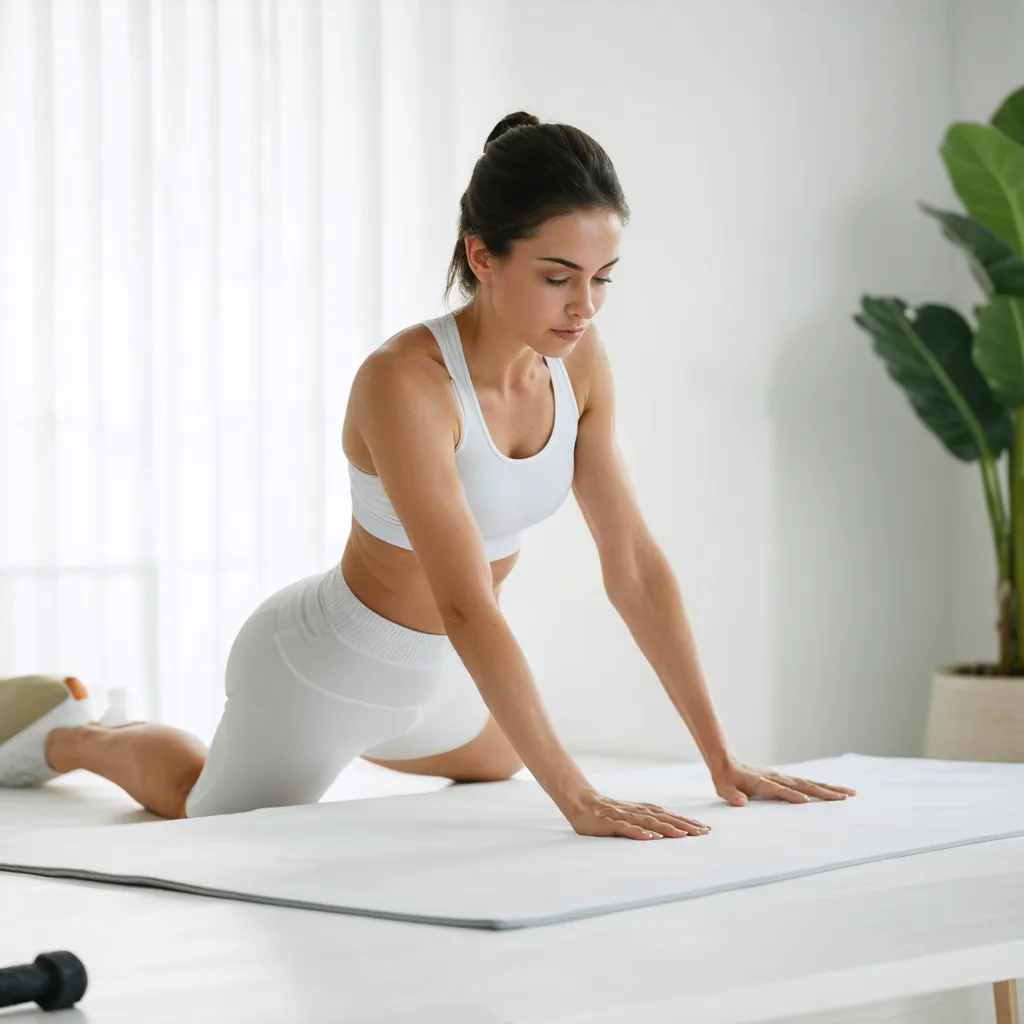
Do you think building muscle is impossible without gym equipment or a fitness club membership? In reality, there are straightforward and effective ways to practice muscle strengthening at home, yielding real benefits for both your fitness and overall health.
Why Is Home-Based Muscle Strengthening So Beneficial?
Muscle strengthening is not just about gaining muscle mass or improving appearance. It is a fundamental pillar for maintaining mobility, preventing injuries, and enhancing quality of life at any age. Regularly performing exercises at home makes it easier to incorporate physical activity into your daily routine, without the constraints of travel or fixed schedules.
Strengthening your muscles helps maintain metabolism, manage weight, and support bone density. For adults and seniors alike, it contributes to preserving independence and reducing the risk of falls. Additionally, exercise has a positive impact on mood and overall energy levels.
Finally, with simple methods such as bodyweight exercises, muscle strengthening is accessible to everyone, regardless of starting level. All it takes is some motivation and consistency.
The Basics of an Effective Home Strengthening Session
To get the most out of your home workouts, it’s important to follow a few key principles. Always start with a warm-up: this prepares your muscles and reduces the risk of injury. A five to ten-minute warm-up is sufficient, using joint rotations and light cardio exercises (such as high knees, jumping jacks, or arm circles).
Next, structure your session around the main muscle groups: legs, back, chest, arms, and abdominals. Vary your exercises to engage your entire body and avoid monotony. Ideally, alternate between compound movements (like squats or push-ups) and targeted exercises (such as crunches or planks).
The secret to progress is consistency. Two to three sessions per week are enough to see improvement, provided you use proper form and allow adequate recovery time.
Examples of Simple and Effective Home Exercises
Many strengthening exercises can be performed without any equipment. Here are some essential movements suitable for all levels:
- Push-ups (on knees or standard): for chest, triceps, and shoulders
- Bodyweight squats: thighs and glutes
- Forward lunges: legs and balance
- Plank: core and back
- Superman: lower back strengthening
- Mountain climbers: dynamic core and cardio workout
For each exercise, start with 2 to 3 sets of 8 to 15 repetitions, depending on your level. Adjust the intensity by slowing down the movement, increasing repetitions, or reducing rest time. Over time, you can add variations or use household objects (like water bottles or filled backpacks) to increase resistance.
Structuring Progress and Staying Motivated
The key to improvement lies in progressive overload: gradually increase the difficulty of exercises, the number of sets, or the duration of your sessions. Avoid skipping steps to reduce the risk of injury. Keep a journal or use an app to track your progress—this can be a great motivator.
Set realistic and personalized goals, such as completing 20 squats without stopping or holding a plank for one minute. Celebrate each milestone you reach! Vary your workouts to maintain enthusiasm: try circuit training, HIIT, or introduce new exercises.
Also, remember to make your workouts enjoyable: play music, invite a friend or family member to join you, or exercise outdoors whenever possible.
Common Mistakes to Avoid for Safe Training
To ensure that home strengthening remains beneficial, beware of common mistakes. Skipping warm-ups or stretches increases the risk of injury. Poor posture during exercises can lead to pain, especially in the back or knees.
Avoid overdoing it too quickly: recovery is essential for muscle growth. Don’t compare yourself to others; progress at your own pace. If you experience sharp or unusual pain, stop exercising and consult a healthcare professional.
- Never skip warm-ups and stretches
- Prioritize proper technique over the number of repetitions
- Allow yourself rest between sessions
- Adapt exercises to your actual abilities
Adapting Muscle Strengthening to Every Profile
Home-based muscle strengthening is accessible to everyone but should be tailored to individual needs. For beginners, focus on simple, low-impact exercises and don’t hesitate to seek advice from a professional (such as a physical therapist or certified trainer). For more advanced individuals, adding resistance or increasing exercise complexity helps maintain progress.
Seniors, pregnant women, or people with chronic conditions should consult a healthcare professional before starting or modifying their routine. There are many online resources available, but always prioritize reliable and recognized sources.
Remember that consistency and self-compassion are essential. The most important thing is to keep moving at your own pace to support your overall health.
Tips for Maximizing Results at Home
To further enhance your home workouts, pay attention to your environment. Choose a space with enough room to move freely and safely. Wear comfortable clothing and supportive footwear to reduce the risk of slipping or injury. If possible, exercise in a well-ventilated area or near a window for fresh air.
Hydration is also crucial. Keep a water bottle nearby and take small sips throughout your session. Proper hydration supports muscle function and recovery. Additionally, consider pairing your workouts with a balanced diet rich in protein, healthy fats, and complex carbohydrates to fuel muscle repair and growth.
Don’t underestimate the value of rest and sleep. Muscles need time to recover and rebuild after each session. Aim for at least 7-8 hours of quality sleep per night to optimize your results and overall well-being.
Resources and Further Reading
If you’re looking for more guidance, there are numerous reputable websites and apps offering free workout plans, video demonstrations, and expert advice. For example, organizations like the Centers for Disease Control and Prevention (CDC) and the NHS provide evidence-based resources for strength training at home. Always verify the credibility of sources before following any new exercise routine.
Mini FAQ
Q: Is it really possible to make progress at home without specialized equipment?
Absolutely. Bodyweight exercises are highly effective for strengthening all muscle groups. With progression and variety, you can achieve visible results in strength, endurance, and physique—even without sophisticated equipment.
Q: Is it necessary to change your exercise routine regularly?
Regularly changing your exercises helps stimulate muscles in new ways, prevent boredom, and reduce the risk of plateauing. It’s recommended to vary movements, order, rest times, or intensity every 4 to 6 weeks.
Key takeaway: Home muscle strengthening is accessible, adaptable, and beneficial for everyone. With consistency and proper technique, it enhances fitness, health, and well-being.
Important note: This information is general and does not replace professional medical advice.